Shopping for a running watch during a major sale can feel like a win before you even reach checkout. The discount looks good, the product pages are glowing, and the idea of upgrading your training instantly feels justified. That is exactly why the Garmin Forerunner 265 attracts so much attention when prices dip. It sits in a sweet spot between everyday smartwatch appeal and serious fitness tracking, offering bright visuals, deep workout insights, and the kind of reliability Garmin has built its reputation on.
But a sale price does not automatically make something the right buy. The real question is not whether the Garmin Forerunner 265 deal looks attractive. The better question is whether this watch actually matches the way you run, recover, and live. For some buyers, it is one of the smartest purchases in the current wearable market. For others, a cheaper Garmin or a more advanced model could make more sense over the long term.
From a personal perspective, this is the kind of watch that becomes easier to appreciate the more consistently you train. If you run three or four times a week, care about pacing accuracy, and like reviewing meaningful data after each workout, the Forerunner 265 feels less like a gadget and more like a training partner. If you mostly want message alerts, step counts, and occasional treadmill sessions, it may be more watch than you need.
This guide breaks down what makes the Garmin Forerunner 265 compelling during a seasonal sale, where its compromises show up, and who should confidently buy it now.
Why the Garmin Forerunner 265 Stands Out
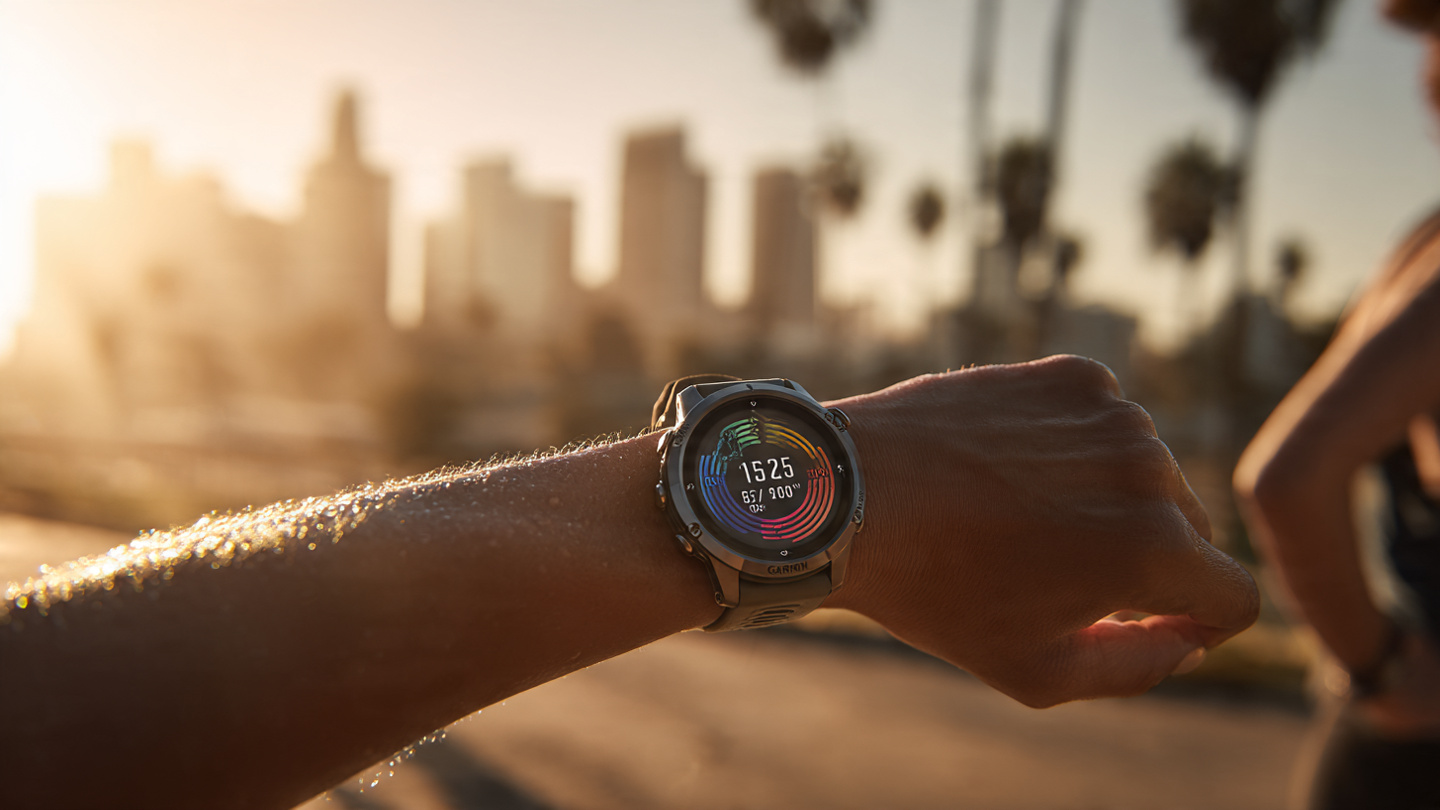
The Garmin Forerunner 265 is designed for runners first, but it does not stop there. It blends performance-focused metrics with a more polished, modern look than some older Garmin models. The biggest immediate upgrade is its AMOLED display, which gives the watch a richer, more vibrant screen that looks excellent indoors and outdoors. Compared with older, more utilitarian Garmin screens, this one feels far more premium.
That visual upgrade matters more than many people expect. It makes daily use more enjoyable, especially when scrolling through widgets, checking sleep data in the morning, or following workout prompts during an interval session. For anyone moving from an older GPS watch, the display alone can make the Forerunner 265 feel like a major leap forward.
Beyond the screen, Garmin packs in many of the performance tools runners actually use:
- Accurate GPS tracking for roads, parks, and mixed training environments
- Advanced training metrics such as training readiness, recovery guidance, and performance trends
- Heart rate monitoring with all-day wellness insights
- Sleep tracking and body energy estimates through Garmin's ecosystem
- Multi-sport support for runners who also cycle, swim, or cross-train
- Music storage and headphone pairing for phone-free workouts
For buyers comparing the best Garmin watch for running, the Forerunner 265 often lands in an especially appealing position because it offers premium training features without reaching the higher price tiers of watches such as the Forerunner 965 or Fenix series.
What You Are Really Paying For
When evaluating a sale, it helps to separate the product's true value from the excitement of the discount. The Forerunner 265 earns its price because it combines several categories of benefit into one wearable.
A Better Training Experience
This is not just a watch that records distance and heart rate. It helps interpret your effort over time. Features like suggested workouts, recovery recommendations, and training readiness can help you avoid the classic mistake of running too hard too often. That is especially useful for intermediate runners who want structure but do not necessarily work with a coach.
For example, imagine you are preparing for a half marathon while juggling work and inconsistent sleep. On paper, your schedule says speed session. But if your recent load is high and your recovery signals are poor, the watch may indicate that your body is not ready for maximum effort. That kind of feedback can be genuinely useful, not because the watch replaces your judgment, but because it gives you another layer of context.
Everyday Wearability
Some dedicated sports watches are excellent during workouts and forgettable the rest of the day. The Forerunner 265 avoids that problem. It is light, comfortable, and modern enough to wear beyond the gym. If you want one device that can handle morning runs, office wear, and weekend travel, this model makes a strong case for itself.
Long-Term Motivation
One underrated reason people stick with Garmin is that the platform can make training more engaging. Whether you are trying to improve your 5K pace, maintain a base-building plan, or simply stay consistent, visible trends and daily insights can reinforce good habits. A well-timed sale makes that long-term benefit feel more accessible.
The Biggest Strengths of the Garmin Forerunner 265
If you are wondering whether the Garmin Forerunner 265 sale is genuinely worth your attention, these are the areas where the watch delivers most clearly.
1. The AMOLED Display Feels Premium
This is arguably the most noticeable selling point. The screen is bright, colorful, and far more visually engaging than older memory-in-pixel Garmin displays. Stats are easier to read, menus feel more modern, and the entire experience feels closer to a premium smartwatch while retaining Garmin's athletic focus.
2. Training Metrics Are Useful, Not Just Impressive
Some wearables flood users with data that sounds advanced but rarely changes behavior. Garmin is usually better than that. The Forerunner 265 offers metrics that can actually inform your choices, especially around recovery, training load, and pacing. For runners who care about improvement, this is one of the strongest arguments in favor of buying it.
3. It Balances Performance and Comfort
A watch can have amazing features and still fail if it is bulky or annoying to wear. The Forerunner 265 is light enough for sleep tracking, comfortable enough for long runs, and stylish enough for all-day wear. That balance matters if you want to get full value from the device.
4. Garmin's Ecosystem Remains a Major Advantage
The broader Garmin experience matters just as much as the hardware. The app ecosystem, training history, adaptive plans, and compatibility with sensors and other sports tools help the Forerunner 265 punch above its sale price. Once you are in the system, the value becomes easier to appreciate.
The Caveats You Should Seriously Consider
The Forerunner 265 is a strong buy, but it is not a perfect watch for everyone. This is where smarter shopping happens. A discount does not erase the trade-offs.
Battery Life Is Good, Not the Best in Class
The AMOLED screen looks fantastic, but it comes at a cost. If battery life is your top priority, there are Garmin models with longer endurance. For most runners, the Forerunner 265 lasts long enough to feel reliable. Still, ultramarathoners, frequent travelers, or users who dislike charging may prefer a model built more aggressively around longevity.
If you are used to charging an Apple Watch daily, the Forerunner 265 will feel refreshingly efficient. If you are coming from an older Garmin that seemed to last forever, the battery performance may feel like more of a compromise.
No Full Mapping for Serious Navigation Needs
This is one of the most important limitations. The watch offers breadcrumb-style navigation and route support, but not full onboard maps in the way higher-end Garmin models do. If you mostly run familiar neighborhoods, city routes, or established parks, this may not matter at all. If you trail run in unfamiliar terrain or want robust navigation on your wrist, you may outgrow the Forerunner 265.
The Price Can Still Feel High Even on Sale
Here is the reality: a sale can make the watch feel more affordable, but it remains a premium purchase. If your needs are basic, there may be better value elsewhere in Garmin's lineup. Watches like the Forerunner 165 or older discounted models can cover the essentials for less money. The Forerunner 265 is not inexpensive; it is simply more reasonable when discounted.
It Is Best for People Who Will Actually Use the Data
This watch shines when the owner engages with its features. If you like reviewing training readiness, sleep, heart rate trends, and structured workouts, it can be excellent. If you rarely open the app and only care about total distance, much of what you are paying for may go unused.
Who Should Buy the Garmin Forerunner 265?
The strongest candidates are runners and fitness-focused users who want a GPS running watch that feels premium without stepping all the way into top-tier pricing.
- Buy it if you run consistently and want meaningful training metrics
- Buy it if you want a bright AMOLED screen and better everyday usability
- Buy it if you want music, recovery tools, and multi-sport features in one watch
- Buy it if you are upgrading from an entry-level tracker and want room to grow
In practical terms, this watch makes a lot of sense for the runner training for their first half marathon, the gym-goer mixing in outdoor miles, or the athlete who wants performance tools without wearing a bulky adventure watch every day.
Who Should Skip It?
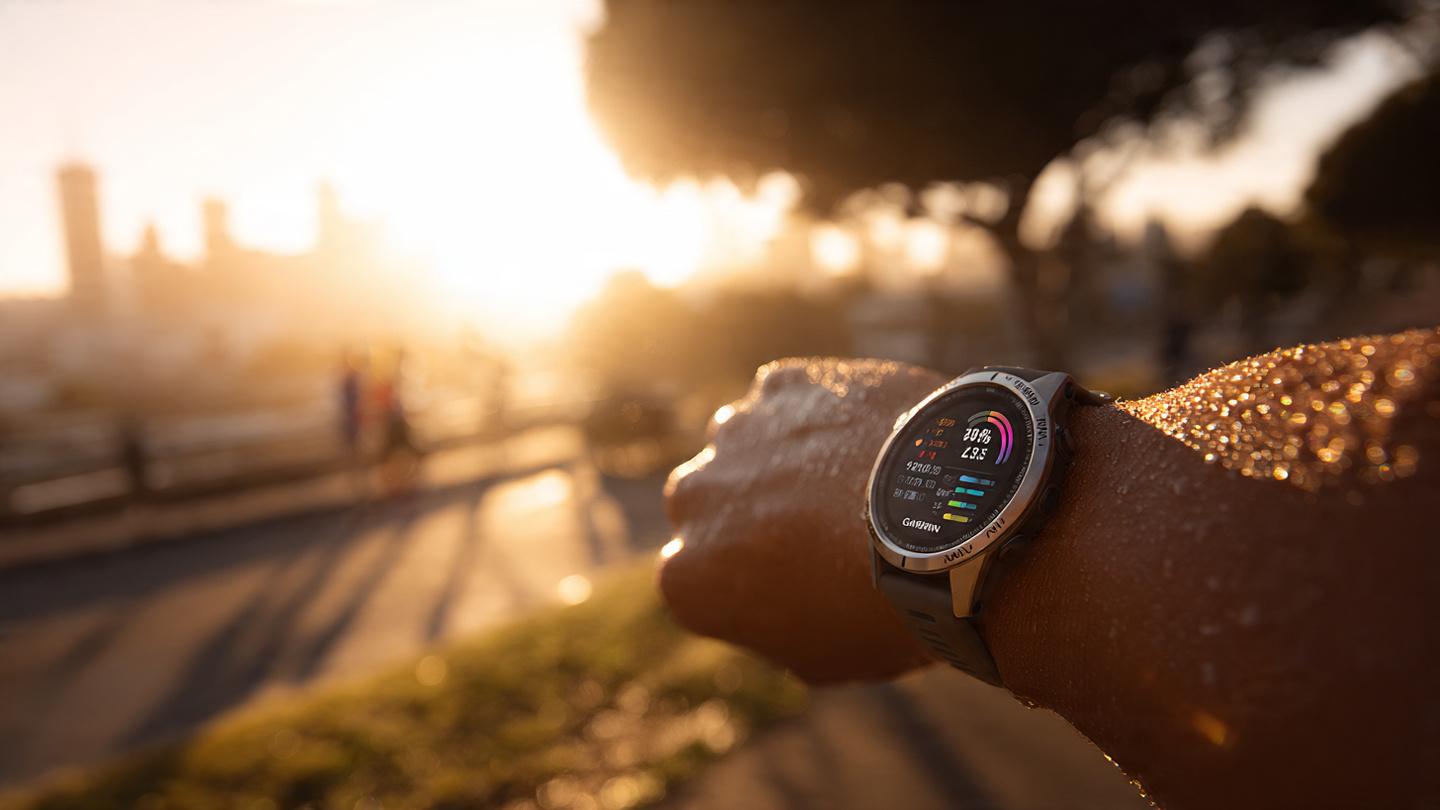
It is equally important to know when not to buy. The best deal is often the product you do not purchase because it does not match your actual needs.
- Skip it if you need full-color onboard maps for trail exploration
- Skip it if battery life matters more than display quality
- Skip it if you mainly want basic health tracking and notifications
- Skip it if a lower-cost Garmin covers your training habits just as well
If you only run casually once or twice a week, a less expensive watch may deliver better overall value. Likewise, if you want the most complete Garmin training and navigation package, it may be smarter to save longer and move up to a higher-end model instead of settling.
How It Compares to Other Popular Options
Garmin Forerunner 265 vs Forerunner 165
The Forerunner 165 is often the better choice for budget-conscious runners who want a simpler experience. The Forerunner 265 justifies its higher price with more advanced training features, broader performance metrics, and stronger long-term versatility. If you are serious about progression, the 265 is easier to recommend.
Garmin Forerunner 265 vs Forerunner 965
The Forerunner 965 is the step-up option for athletes who want maps, more premium materials, and broader top-tier features. But it also costs more. For many runners, the Garmin Forerunner 265 is the smarter middle ground because it delivers much of the real-world training value at a lower entry point.
Garmin Forerunner 265 vs Apple Watch
If your priority is fitness depth, battery life, and a dedicated running experience, Garmin usually wins. If your priority is app ecosystem, calling, and broader smartwatch behavior, Apple Watch still has major advantages. For committed runners, the Forerunner 265 is generally the more purposeful tool.
What Makes This Sale Worth Considering
Sales events matter most when they lower the barrier to a product that already fits your goals. That is the case here. The Garmin Forerunner 265 discount is appealing because it nudges a premium running watch closer to the territory where value becomes easier to defend.
That said, the smartest buyers look beyond the percentage off and ask a few direct questions:
- Will I use the training metrics at least weekly?
- Do I care enough about display quality to pay for AMOLED?
- Would I regret not having onboard maps later?
- Am I choosing this because it is discounted, or because it truly fits my training?
Those questions can prevent buyer's remorse better than any promotional banner ever will.
Final Verdict: A Very Good Buy, With Clear Limits
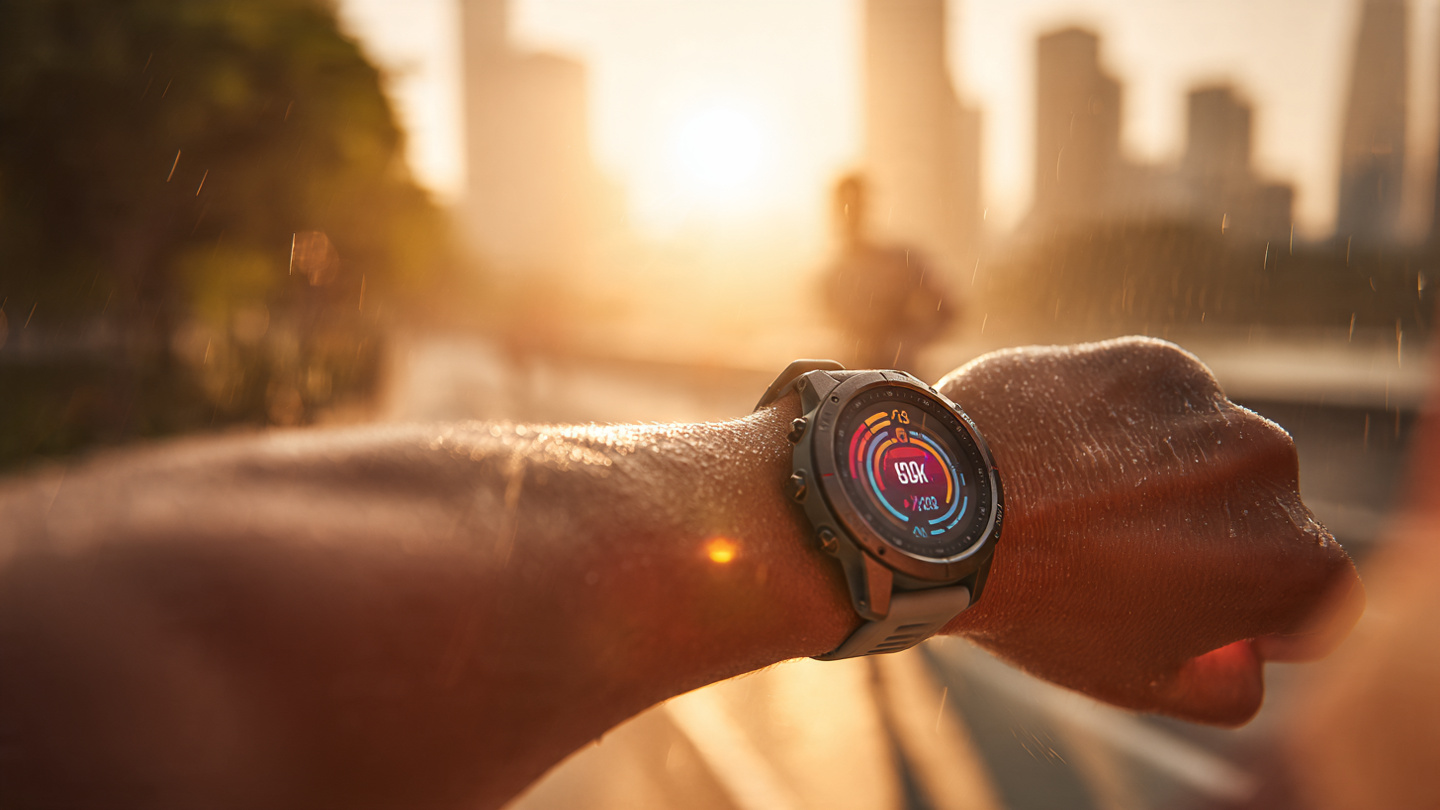
The Garmin Forerunner 265 is absolutely a good buy during a major sale, and for many runners it is one of the most balanced options on the market. It looks better than older fitness watches, offers genuinely useful training tools, and delivers a premium experience without pushing into the highest price bracket. For the right person, it is the kind of purchase that improves not only workouts but consistency, motivation, and overall training awareness.
Still, this is not a universal recommendation. The caveats are real. Battery life is solid rather than class-leading, mapping is limited compared with more expensive Garmin models, and the price can still feel steep if your needs are simple. The value is strongest when you know exactly why you want it.
If you are a runner who wants a more serious running smartwatch, appreciates clear performance insights, and has been waiting for the right time to buy, this sale is a smart opportunity. If you are still unsure whether you will use its advanced tools, it may be worth comparing one step down or one step up before committing.
The bottom line: the Garmin Forerunner 265 is not just attractive because it is on sale. It is attractive because, at the right price, it becomes one of the clearest sweet spots in wearable fitness tech.
If you have been looking for a watch that can support better training decisions, stronger consistency, and a more polished everyday experience, this may be the moment to make the upgrade. Compare current pricing carefully, think honestly about how you train, and choose the model that fits your real routine rather than your impulse. That is how you turn a sale into a smart purchase.


