The vaping industry is once again betting on a familiar idea: if technology caused part of the problem, perhaps technology can clean it up. This time, the proposed fix is biometric age verification built into vape devices and cartridges. On paper, it sounds elegant. A device scans a fingerprint, estimates age, confirms the user is an adult, and unlocks access. For manufacturers under pressure from regulators, parents, schools, and public health agencies, that promise is undeniably attractive.
But anyone who has watched consumer technology collide with real-world behavior knows the truth is rarely that simple. A vape that can ask how old you are may sound futuristic, yet the bigger question is whether it solves the actual problems surrounding youth access, flavored products, illicit markets, and long-term health risks. In my view, this is where the conversation gets interesting. The technology is clever. The business pitch is polished. The public policy case is far less convincing.
Understanding that gap matters, because vape age verification technology could influence regulation, retail strategy, and product design for years to come. It may also shape how consumers think about privacy, device control, and the expanding role of biometrics in everyday products.
Why biometric age verification is gaining attention
The idea behind biometric checks in vaping products is simple: prevent underage users from activating a device or cartridge. Some concepts involve fingerprint recognition, while others rely on skin contact, app-based identity checks, facial analysis through a connected phone, or cartridge-level authentication. The goal is to create a technological barrier that makes youth use harder, while giving lawmakers a reason to treat adult-focused products more favorably.
From an industry standpoint, the timing makes sense. Flavored vape products have faced crackdowns in multiple markets because they are seen as especially appealing to teenagers. Companies want a path back to growth, and they know that saying “we support restrictions” is not as powerful as saying “we built the restriction directly into the product.” That is a much stronger message to investors, retailers, and policymakers.
Biometric age verification for vapes also fits a larger trend in consumer electronics. People already use fingerprints and facial scans to unlock phones, authorize payments, and access apps. So the industry hopes consumers will see vape verification as normal rather than invasive. If your phone can recognize you, why not your vape?
- Regulatory pressure is pushing manufacturers to prove they can limit youth access.
- Retail uncertainty makes built-in compliance features more attractive to sellers.
- Brand survival depends on showing responsibility in a highly scrutinized market.
- Flavored product demand gives companies a strong incentive to find a legally acceptable workaround.
How vape age verification technology is supposed to work
Different systems are being explored, but most fall into a few broad categories. Some use a biometric sensor on the device itself. Others pair the device with a smartphone app that verifies identity before enabling use. Still others focus on the cartridge, embedding a chip that communicates with a compatible device and checks whether the user has previously completed an age validation step.
Device-level biometrics
This model works much like a phone unlock feature. A fingerprint sensor or similar biometric reader confirms that the authorized user is handling the device. In theory, only the registered adult can activate it.
The appeal is obvious. It feels modern, it creates a clear access barrier, and it gives manufacturers a way to market “responsible design.” But there is a practical challenge: vapes are not smartphones. They are smaller, cheaper, disposable in many cases, and often used quickly in imperfect conditions. That means a reliable biometric sensor may add cost, reduce convenience, and still fail in everyday use.
App-connected identity checks
Another approach uses a smartphone as the verification layer. The user submits ID, completes an age check, and pairs the vape with an app. The device then unlocks only for validated users.
This method can be more flexible, but it also adds friction. Consumers may tolerate multi-step verification for banking or travel. They are less likely to embrace it for a nicotine product designed for speed and simplicity. If the process feels annoying, users may avoid compliant products entirely and shift toward easier, unregulated alternatives.
Smart cartridges and authentication chips
Some proposals move the intelligence into the cartridge itself. A cartridge may contain a chip that confirms it is being used with an approved, age-verified device. This setup could help companies control product ecosystems, reduce counterfeits, and show regulators that access rules are being enforced.
Here again, the concept is smarter than the market reality. The more hardware, software, and proprietary infrastructure you add, the more expensive and complex the system becomes. That may work in a premium category, but much of the vaping market is driven by convenience, price sensitivity, and rapid product turnover.
The strongest argument in favor of biometric vape controls

To be fair, this technology is not meaningless. If implemented well, it could reduce some forms of casual underage use. A teenager who finds or borrows an adult’s device might be blocked. A compliant retailer could point to age-locked products as an additional layer of protection. A regulator might see these systems as better than relying only on packaging warnings or store-level ID checks.
There is also a serious harm-reduction argument that deserves attention. Some public health experts believe adults who already smoke combustible cigarettes should have access to less harmful alternatives, including certain vaping products. If age verification technology allowed adult smokers to access regulated products while making youth access harder, supporters would call that a meaningful improvement.
- It may reduce casual sharing of devices among underage users.
- It creates an audit trail that regulators and manufacturers can reference.
- It supports adult-only positioning for products aimed at smoking cessation or harm reduction.
- It can strengthen anti-counterfeit controls in authorized product ecosystems.
Those are real advantages. The problem is that they do not answer the deeper structural issues that made vaping controversial in the first place.
Why this technology is unlikely to solve the real problems
This is where the industry narrative often gets ahead of the facts. Underage vaping is not simply a device-access problem. It is a supply problem, a marketing problem, a product design problem, and in some cases a cultural problem. A biometric lock may block one path, but it does not eliminate the environment that made youth vaping widespread.
Youth access rarely depends on one device
Teen users do not need to buy a biometric-enabled product from a compliant store to obtain nicotine. They can borrow from friends, buy from informal sellers, use older devices, or turn to black-market products that have no controls at all. In practice, stricter rules on legal products can sometimes shift demand toward less regulated channels rather than reduce consumption outright.
That is one of the most overlooked realities in consumer regulation: when compliance becomes expensive and inconvenient, the illicit market often becomes more attractive.
Flavors are not just a verification issue
The debate over flavored vapes is deeply tied to youth appeal. Supporters argue flavors help adult smokers switch away from cigarettes. Critics argue the same flavors attract first-time young users. Biometric age checks do not resolve that tension. They simply try to manage access after the product already exists in an appealing form.
In other words, vape biometric security addresses the gate, not the attraction. Regulators may still ask whether certain flavors, branding choices, and product aesthetics should be allowed at all.
Privacy concerns are real
Any product that collects biometric data raises immediate privacy questions. Where is the data stored? Is it local on the device, or uploaded to a cloud service? Who owns it? Can it be sold, breached, or requested by authorities? Even consumers comfortable with phone biometrics may hesitate when the same model is attached to a nicotine device.
That discomfort is not irrational. Biometric information is uniquely sensitive. Unlike a password, you cannot change your fingerprint if it is compromised. For an industry already struggling with trust, asking users to submit biometric data may create a new barrier instead of removing one.
Cost and usability could undermine adoption
Every extra sensor, chip, battery demand, software update, and authentication step increases cost. That matters in a market where many products are cheap, disposable, and built for impulse use. If legal products become significantly more expensive because of age-verification hardware, some consumers will simply move elsewhere.
I have seen this pattern in other regulated consumer categories: the more polished the compliance story becomes, the easier it is to forget the customer still cares about price, convenience, and reliability first.
The business case behind the technology
It is important to recognize that this is not only a public safety story. It is a business strategy. Companies want a credible argument that they can sell flavored or premium vaping products without inviting the same regulatory backlash that damaged the category before. Biometric age verification offers a compelling narrative: responsible innovation.
That narrative may help in several ways. It can improve investor confidence, create differentiation in a crowded market, and open conversations with regulators who are searching for compromise. A company that says, “Our product contains built-in age restrictions,” has a more sophisticated pitch than a company that only promises to market responsibly.
But a strong pitch is not the same as a strong solution. Businesses often embrace visible technology because it signals effort, modernity, and control. Yet the most effective interventions are sometimes less glamorous: better retailer enforcement, tighter online sales rules, stricter penalties for bad actors, and clearer product standards.
What policymakers should focus on instead

If the goal is to reduce youth vaping while preserving lawful adult access, biometric tools should be treated as one possible layer, not the foundation of the policy. Regulators should look at the full system, from manufacturing and distribution to retail compliance and product marketing.
Smarter policy priorities
- Strengthen retail enforcement with meaningful penalties for stores that sell to minors.
- Improve online verification where underage buyers may exploit weak checkout systems.
- Target illicit supply chains instead of focusing only on regulated brands.
- Set clear product standards for labeling, nicotine strength, and device safety.
- Require privacy protections for any biometric or identity-based vape technology.
This kind of broader approach is less flashy than a sensor-equipped cartridge, but it is more likely to produce durable results. Technology can support policy, but it rarely substitutes for it.
What consumers should ask before trusting these devices
For adult users, especially those using vaping as a smoking alternative, the emergence of age-locked devices creates a practical checklist. Before buying into the concept, consumers should ask whether the technology improves safety or merely creates another layer of surveillance and inconvenience.
- What data is collected, and is it stored locally or remotely?
- Who can access the data, including manufacturers and third-party vendors?
- What happens if the system fails and locks out the lawful owner?
- Does the product still work offline, or does it depend on app connectivity?
- How much extra does it cost compared with standard regulated alternatives?
Those are not technical footnotes. They are central questions about trust, ownership, and product design.
The bigger lesson for consumer technology
This debate reaches beyond vaping. It reflects a larger pattern in modern product development: when social or regulatory pressure rises, companies often respond by embedding more control into devices. Sometimes that is useful. Sometimes it is cosmetic. The challenge is telling the difference.
In the case of vaping, the promise of biometric controls is appealing because it suggests precision. It implies that the right person can use the right product at the right time under the right conditions. But human behavior is messy, markets adapt, and youth access rarely disappears because one gate becomes smarter.
That is why I remain skeptical of claims that vape age verification technology can restore public trust on its own. It may reduce some misuse. It may help certain adult-only product lines. It may even become a regulatory talking point. But it is unlikely to solve the core tensions around flavors, addiction risk, illicit products, and consumer privacy.
Conclusion
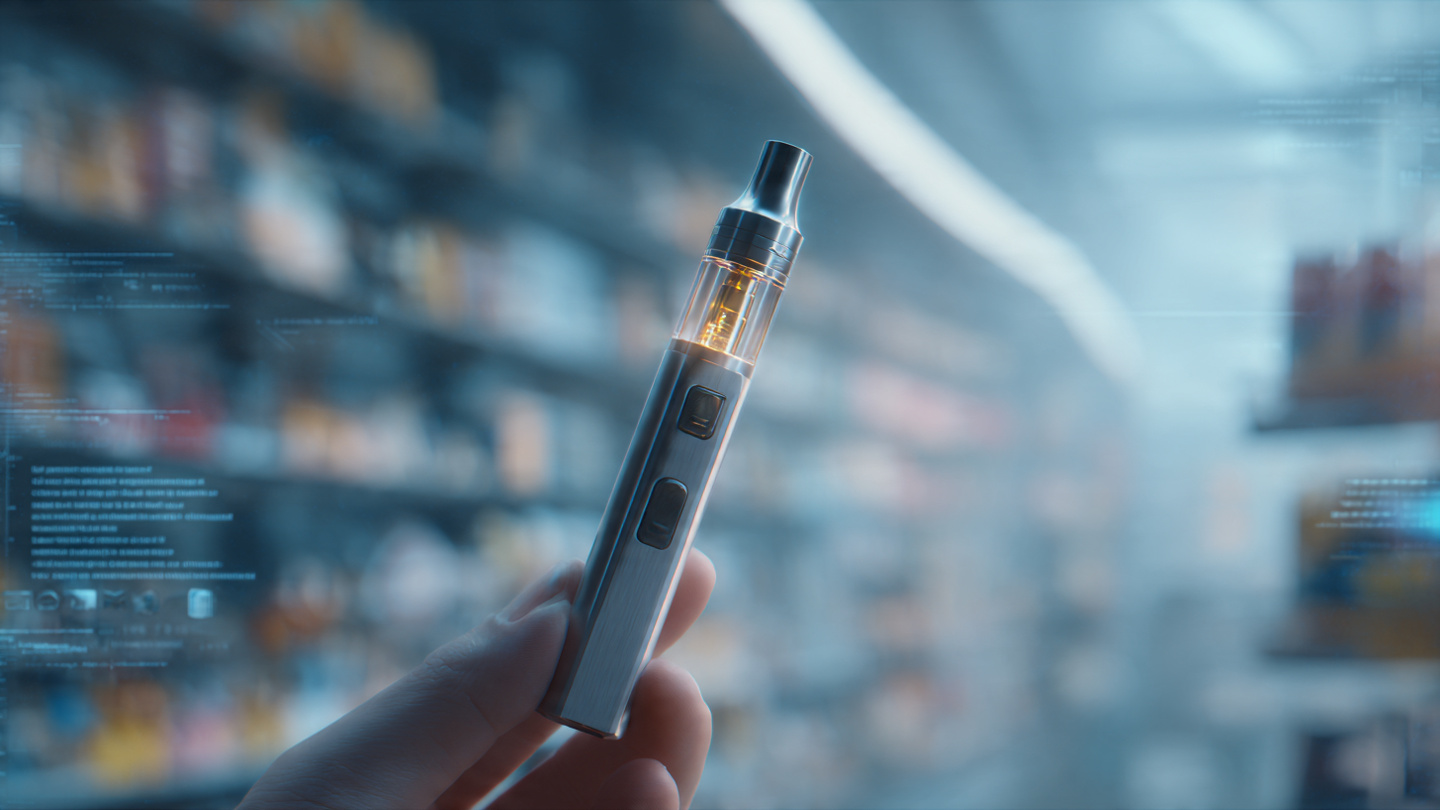
A vape that checks your age is a fascinating example of how far consumer technology is willing to go in the name of compliance. It may have a place in the market, especially for premium brands trying to prove they take youth access seriously. Yet the central issue is not whether the technology is impressive. It is whether it addresses the root causes of the problem.
Right now, the answer appears to be only partially. Biometric age verification may help at the margins, but it does not eliminate youth demand, informal supply, flavor debates, privacy concerns, or the economic incentives that drive people toward easier alternatives. In that sense, the technology may be better understood as a political and commercial tool than a complete public health solution.
For regulators, businesses, and consumers, the smartest path forward is clear: treat biometric verification as one limited instrument, not a magic fix. If the industry wants long-term credibility, it will need more than clever hardware. It will need transparency, accountability, and a willingness to confront the uncomfortable parts of the vaping market that no sensor can solve.
If you follow emerging consumer tech and nicotine regulation, now is the time to watch this space closely. The next wave of vaping products will not just compete on flavor or design. They will compete on trust. And in a market under constant scrutiny, trust is the one feature no company can afford to fake.
Explore more consumer tech analysis and stay informed about the technologies that promise safety, convenience, and control, but often deliver a far more complicated reality.


