If you have ever come home from a trip, a bike ride, or a family event and wished you had captured more of the moment, a 360 camera can feel like a revelation. Instead of pointing a lens and hoping you framed everything correctly, these compact devices record the entire scene around you. Later, you can reframe the footage, create dramatic edits, or share fully immersive clips that place viewers right in the middle of the action. For creators, travelers, athletes, and even casual users, the appeal is simple: one camera, every angle.
The best 360 cameras in 2026 are far more polished than the early generations. Image quality is sharper, software is smarter, stabilization is more reliable, and editing tools are easier for beginners to use. Brands like Insta360, GoPro, and DJI are pushing the format into the mainstream, not just for niche enthusiasts but for everyday storytelling. Whether you want a camera for snowboarding, YouTube, travel vlogging, virtual tours, or cinematic social media content, there is now a clear range of options worth considering.
What makes this category especially exciting is how versatile it has become. A single clip can produce a standard widescreen video, an ultra-wide action shot, a vertical reel for social platforms, and a fully interactive 360 experience. That flexibility can completely change the way you shoot. I have found that once people start using a good 360 camera, they stop worrying so much about missing the shot and start focusing more on the experience itself.
Why 360 Cameras Matter More in 2026
The growth of immersive content is no longer limited to tech hobbyists. Social platforms reward unique visuals, travel creators want more dynamic footage, and vloggers increasingly need lightweight gear that can do several jobs at once. A good 360 camera now serves as an action camera, a vlogging tool, a behind-the-scenes recorder, and in some cases even a substitute for a drone-style perspective when used with invisible selfie sticks.
That is why searches for the best 360 cameras continue to rise. Buyers are not just looking for novelty. They want practical tools that make content creation easier and more impressive. The top models in 2026 offer higher-resolution sensors, improved low-light performance, better wind-noise handling, longer battery life, and AI-assisted reframing tools that save hours in editing.
- Content flexibility: Shoot once, then export multiple formats for YouTube, TikTok, Instagram, and VR viewing.
- Immersive storytelling: Let viewers explore a scene rather than just watch a fixed angle.
- Action-ready design: Rugged builds, waterproofing, and strong stabilization make them ideal for sports and travel.
- Creative freedom: Invisible selfie sticks and horizon leveling enable cinematic shots with minimal gear.
What to Look for in the Best 360 Cameras
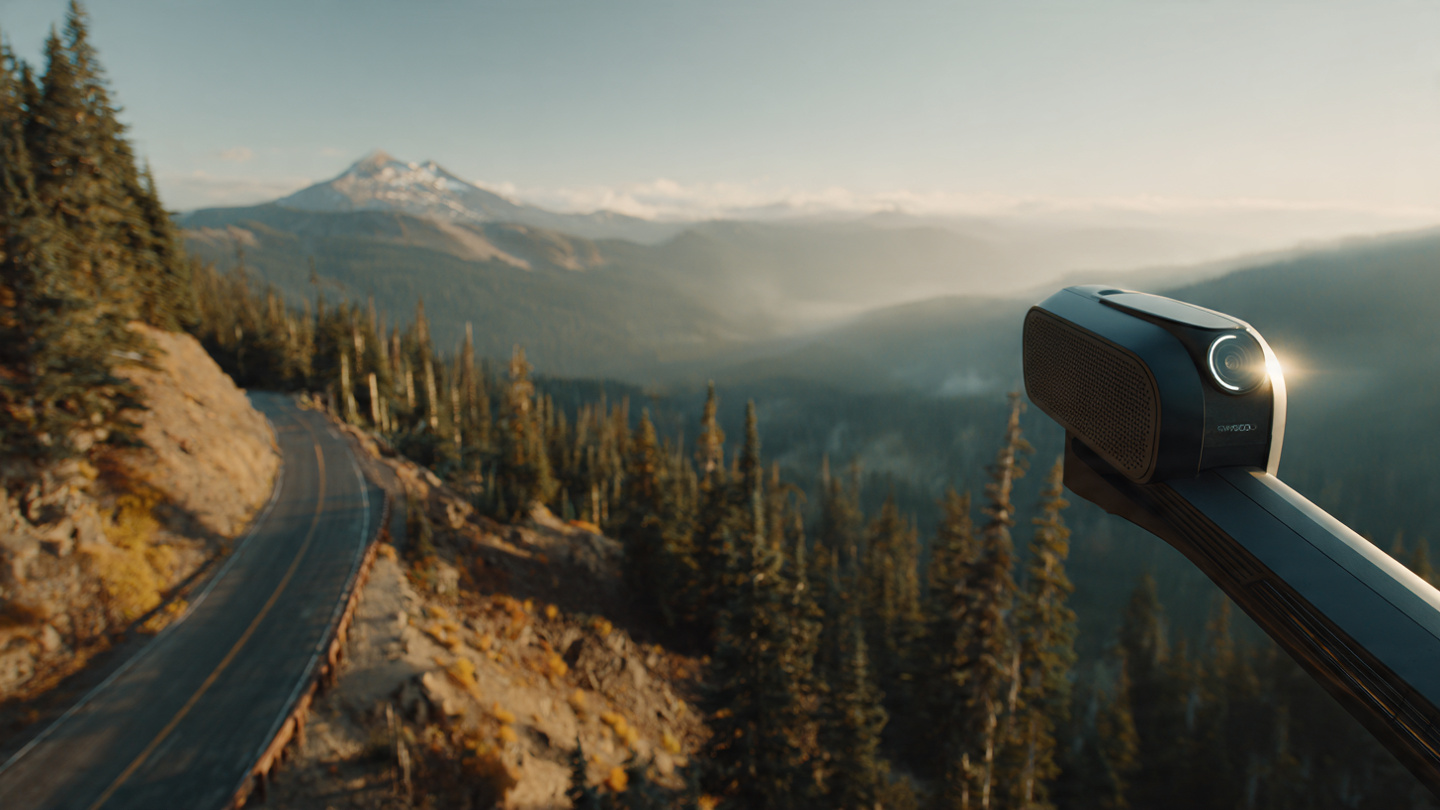
Not all 360 cameras are built for the same user. Some are designed for athletes who need durability and stabilization, while others are aimed at creators who prioritize editing flexibility and image quality. Before buying, it helps to focus on the features that will have the biggest impact on your style of shooting.
Video Resolution and Sensor Quality
Resolution still matters, especially in 360 video where the recorded image is spread across an entire sphere. A higher-resolution file gives you more detail when reframing to a standard flat video. If you plan to crop aggressively for social media edits, choose a model with strong sensor performance and high-resolution capture.
Stabilization and Horizon Lock
Good stabilization can make the difference between professional-looking footage and something that feels chaotic. The best action-oriented 360 cameras use advanced electronic stabilization and horizon leveling to keep the image smooth even during fast movement.
Editing App and Workflow
This is often overlooked, but it is one of the most important factors. A 360 camera is only as enjoyable as its app. The strongest brands offer mobile and desktop editing tools that simplify reframing, subject tracking, and export presets. If you want a fast workflow, choose a platform known for intuitive software.
Battery Life and Storage
Long recording sessions, cold-weather performance, and high-bitrate files can strain both battery and storage. Travelers and outdoor users should pay close attention to battery efficiency and support for larger memory cards.
Durability and Waterproofing
If you plan to use your camera while skiing, surfing, hiking, or cycling, ruggedness is non-negotiable. Some models are waterproof on their own, while others need a special case. The best choice depends on how adventurous your shooting environment is.
Best 360 Camera Brands to Watch in 2026
Several companies dominate the conversation, but three names continue to stand out: Insta360, GoPro, and DJI. Each brings a different strength to the market, and understanding those differences makes it easier to choose the right model.
Insta360: Best for Creative Features and Easy Editing
Insta360 remains one of the most compelling brands in the category because it understands how people actually use 360 footage. Its cameras are often compact, feature-rich, and supported by some of the best editing software in the business. For many buyers, Insta360 is the safest recommendation because it balances quality, portability, and creative control.
The brand shines in areas like automated reframing, subject tracking, invisible selfie stick effects, and one-tap templates for short-form content. If you are a travel creator or social video producer, Insta360 often provides the smoothest path from capture to publish.
- Best for: Travel creators, vloggers, social media content, first-time 360 users
- Strengths: Excellent app ecosystem, creative shooting modes, reliable stabilization
- Watch for: Premium models can become expensive once accessories are added
GoPro: Best for Action and Rugged Performance
GoPro still carries enormous credibility with athletes, outdoor adventurers, and action-focused creators. Its 360 camera lineup is especially attractive to users who value durability, familiar controls, and robust stabilization. If your camera is likely to be mounted on a helmet, bike, snowboard, or vehicle, GoPro deserves a serious look.
What makes GoPro appealing is not just toughness but consistency. The brand has built its reputation around real-world reliability. In difficult conditions such as rain, dust, vibration, and cold temperatures, that matters. GoPro users also tend to appreciate the straightforward ecosystem and broad accessory compatibility.
- Best for: Sports, outdoor adventures, POV content, rugged travel
- Strengths: Tough build, strong stabilization, trusted action-camera heritage
- Watch for: Editing and reframing may feel less beginner-friendly than some rivals
DJI: Best for Hybrid Creators and Emerging Innovation
DJI is best known for drones and camera stabilization, but its influence on creator tools keeps expanding. In the 360 camera conversation, DJI is especially interesting because it brings serious imaging experience and strong engineering to every product category it enters. Buyers curious about DJI are usually looking for refined hardware, image quality, and cross-device workflow potential.
For hybrid creators who shoot action clips, travel footage, and cinematic sequences, DJI’s approach can be very appealing. The brand often focuses on polished design and practical usability, which makes it one to watch closely in 2026.
- Best for: Creators who want innovation, polished hardware, and ecosystem potential
- Strengths: Imaging expertise, refined engineering, creator-focused design
- Watch for: Model availability and feature maturity may vary by region and release cycle
How to Choose the Right 360 Camera for Your Needs
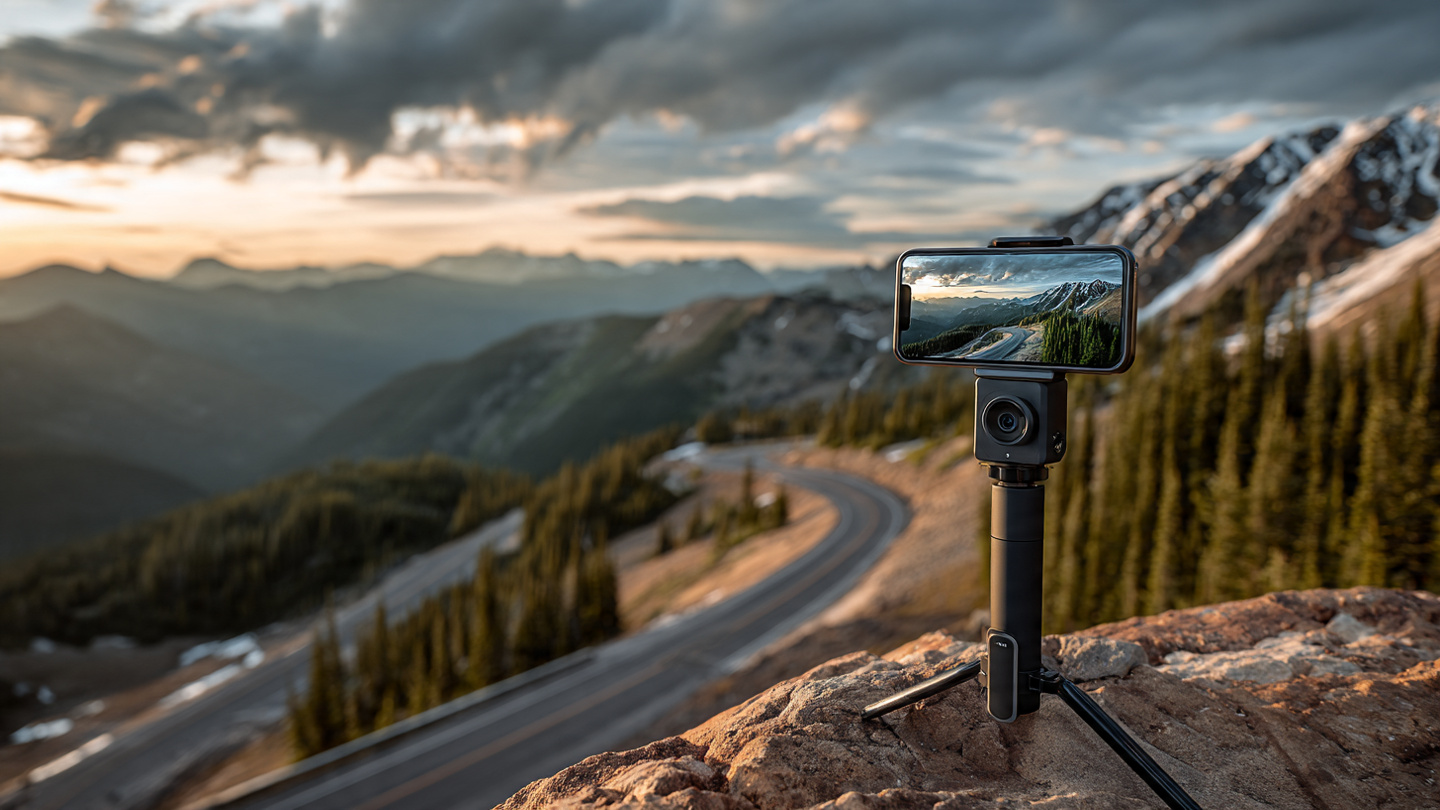
The best 360 camera is not simply the most expensive one. It is the one that fits the way you shoot. A travel vlogger will need different features than a mountain biker, and a real estate professional has different priorities than a YouTube creator.
For Travel and Everyday Storytelling
If you want to capture city walks, scenic overlooks, food markets, road trips, or family moments, prioritize portability, easy editing, and strong auto modes. Travel creators benefit from cameras that slip into a pocket, work quickly, and do not require an elaborate post-production workflow.
A practical example: imagine standing on a crowded viewpoint in Rome or Tokyo. With a traditional camera, you would spend time choosing the right angle. With a 360 camera, you simply hold it up, capture the full scene, and decide later whether you want a dramatic wide shot, a selfie-style narration, or a panoramic clip for social media.
For Sports and Adventure
If your footage involves speed, impact, or rough weather, focus on durability, waterproofing, secure mounting, and best-in-class stabilization. Action users should also pay attention to battery swaps and glove-friendly controls. A slightly bulkier camera can be worth it if it survives harsher conditions.
I often tell outdoor buyers to think about the moments they cannot repeat. A jump, a descent, a wave, or a trail section only happens once. In those situations, reliability is more valuable than having the most advanced effect in the editing app.
For Social Media and YouTube
If your main goal is content production, choose a model with fast mobile editing, auto-tracking, and easy export presets for horizontal and vertical formats. Reframing features matter more here than raw toughness. The best camera for creators is the one that helps turn one recording into several publish-ready pieces of content.
For Professional and Commercial Use
Professionals producing virtual tours, branded experiences, immersive event coverage, or advanced editing projects should lean toward higher-resolution models with better dynamic range and a more flexible post-production workflow. In commercial settings, image integrity and file control matter far more than convenience alone.
Practical Benefits of Using a 360 Camera
Beyond the specifications, 360 cameras offer a shooting experience that feels fundamentally different from standard cameras. The biggest benefit is freedom. You no longer have to obsess over framing while something important is happening. That changes the energy of the moment.
- You miss fewer shots: Capture everything around you and reframe later.
- You travel lighter: One camera can replace multiple shooting styles.
- You create more content: A single clip can produce multiple edits across platforms.
- You gain unique perspectives: Invisible stick effects create floating, drone-like visuals without extra equipment.
- You make content more immersive: Viewers feel present, not just passive.
For beginners, that ease can be surprisingly liberating. For experienced creators, it opens up new storytelling options. Either way, the technology feels more mature and practical in 2026 than ever before.
Common Mistakes to Avoid When Buying a 360 Camera
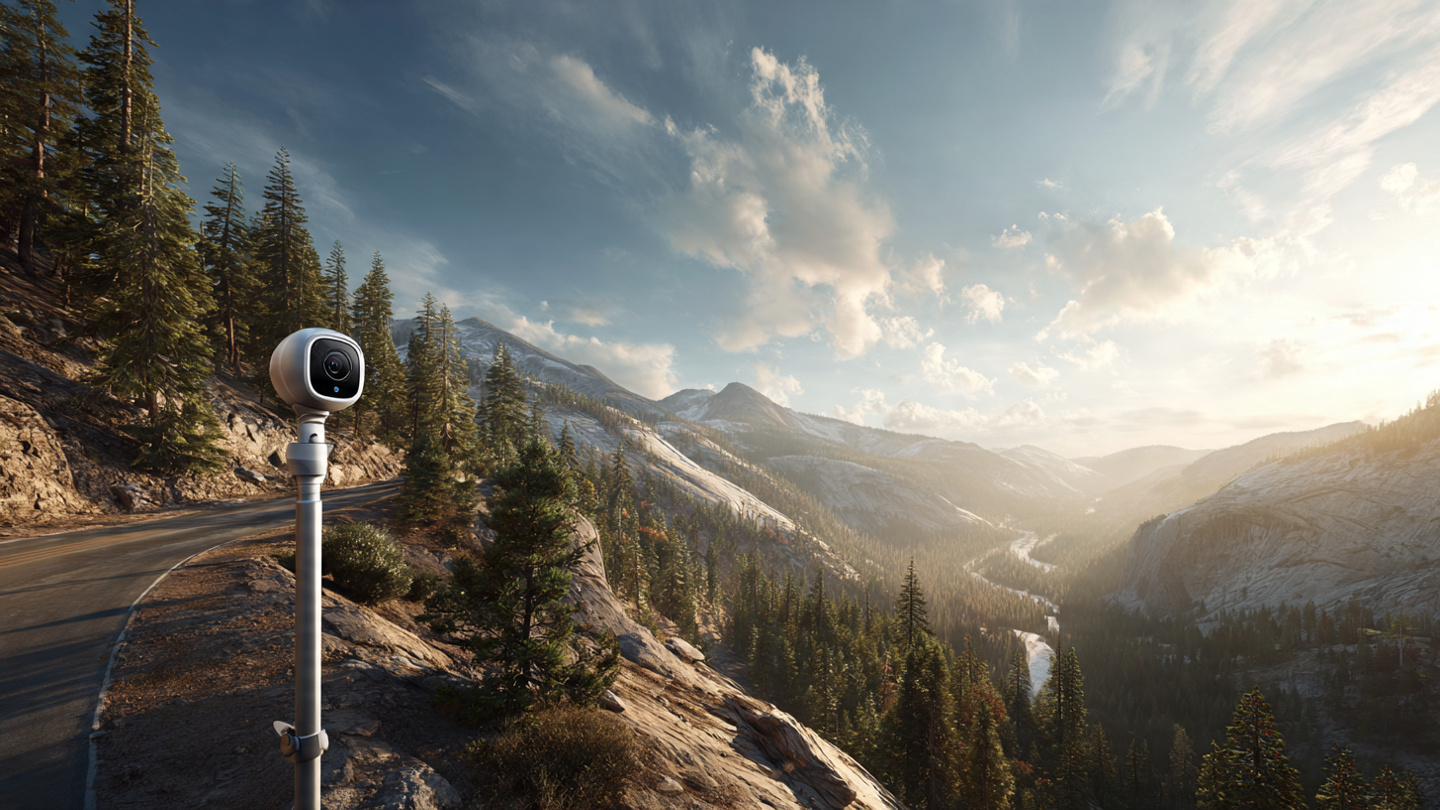
A lot of buyers focus on brand names and overlook the habits that actually determine long-term satisfaction. It is easy to overspend on features you will never use or underestimate the importance of software and accessories.
- Ignoring the app experience: Editing software is central to the ownership experience.
- Buying for specs alone: Real-world usability often matters more than headline resolution.
- Skipping accessories: Extra batteries, protective cases, and selfie sticks can dramatically improve results.
- Underestimating file sizes: 360 footage can consume storage quickly, especially at high resolutions.
- Choosing the wrong use case: A travel camera and an extreme sports camera are not always the same thing.
Are 360 Cameras Worth It in 2026?
For the right person, absolutely. The key is understanding what these cameras do best. They are not always the perfect tool for every scene, and they will not replace every traditional camera. But for immersive storytelling, action footage, travel memories, and flexible content creation, they offer something uniquely powerful.
The reason the best 360 cameras in 2026 stand out is that they no longer feel experimental. They feel useful. That is an important shift. Better sensors, smarter software, and more polished editing tools have turned 360 capture from a novelty into a practical creative option.
If you value spontaneity, versatility, and visually distinctive content, a 360 camera is one of the most exciting devices you can buy this year. And if you have been hesitating because earlier models felt too niche or too complicated, now is a very good time to look again.
Conclusion
The modern 360 camera is more than a gadget. It is a storytelling tool that helps you capture a fuller version of reality. Whether you are comparing DJI, Insta360, and GoPro for travel, action, vlogging, or immersive video, the smartest choice comes down to how you shoot and how you edit. Some users need rugged performance, others need effortless social media exports, and some want the highest quality possible for commercial work.
The good news is that the category is stronger than ever. There are excellent options for beginners, serious creators, and adventurous professionals alike. If your goal is to capture moments in a more dynamic, flexible, and engaging way, the best 360 cameras can completely transform your workflow.
Now is the perfect time to assess your needs, compare ecosystems, and invest in a model that fits your creative style. Choose the camera that matches your real-world use, not just the spec sheet, and you will get far more value from every shoot. If you are ready to create more immersive travel videos, better action footage, and standout social content, start exploring the latest 360 camera lineup today.


