Hook: On a warm night in Dubai, the floodlights of Meydan Racecourse cut through the desert darkness, the grandstand buzzes with anticipation, and the world's best thoroughbreds thunder toward history. Yet the glamour of the Dubai World Cup exists alongside a harsher reality: war, regional instability, and the uneasy question of how elite sport continues while violence dominates headlines. That contrast is exactly what makes this race so compelling. It is not only a major horse racing event; it is a statement about spectacle, power, resilience, and the global business of sport.
For casual fans, the Dubai World Cup may look like a dazzling evening of fashion, luxury, and prize money. For seasoned followers of international horse racing, it represents something more enduring: a carefully built institution that has become central to the modern racing calendar. Even when war darkens the mood across the broader region, the event presses on, drawing owners, trainers, jockeys, breeders, investors, and spectators from every corner of the sport.
I have always found major sporting events most revealing when they unfold under pressure. They show what people choose to protect, what industries refuse to pause, and how tradition can become both comfort and controversy. In that sense, Dubai offers a powerful example. The race continues not because the world is calm, but because global sport has learned how to carry on in an age of permanent uncertainty.
Why the Dubai World Cup Matters Beyond Racing
The Dubai World Cup is not simply one more stop on the horse racing circuit. Since its launch in the 1990s, it has grown into one of the sport's defining showcases, combining extraordinary prize money with international prestige. Run at Meydan Racecourse, the event has helped Dubai position itself as a crossroads of luxury, tourism, and elite competition.
Its significance rests on several layers. First, it attracts a truly global field. Horses arrive from the United States, Europe, Japan, and the Middle East, making the race a rare point of convergence in a sport that often remains fragmented by geography. Second, it rewards excellence at the highest level, with financial incentives large enough to shape breeding plans, training schedules, and campaign strategies far beyond the Gulf.
Most importantly, the event functions as a form of soft power. Major races do not just crown winners; they project an image. In Dubai's case, that image includes ambition, control, hospitality, and global relevance. Even during periods of war and regional tension, the ability to host a seamless, high-profile sporting event sends a message to the world: business continues, visitors are welcome, and Dubai remains open.
- Global reach: Top horses, trainers, and jockeys travel from multiple continents.
- Economic influence: Prize money, tourism, hospitality, and sponsorship drive substantial value.
- Brand building: The event reinforces Dubai's image as a luxury sports destination.
- Calendar importance: It serves as a major target for stables planning international campaigns.
How a Famed Horse Race Continues Despite War
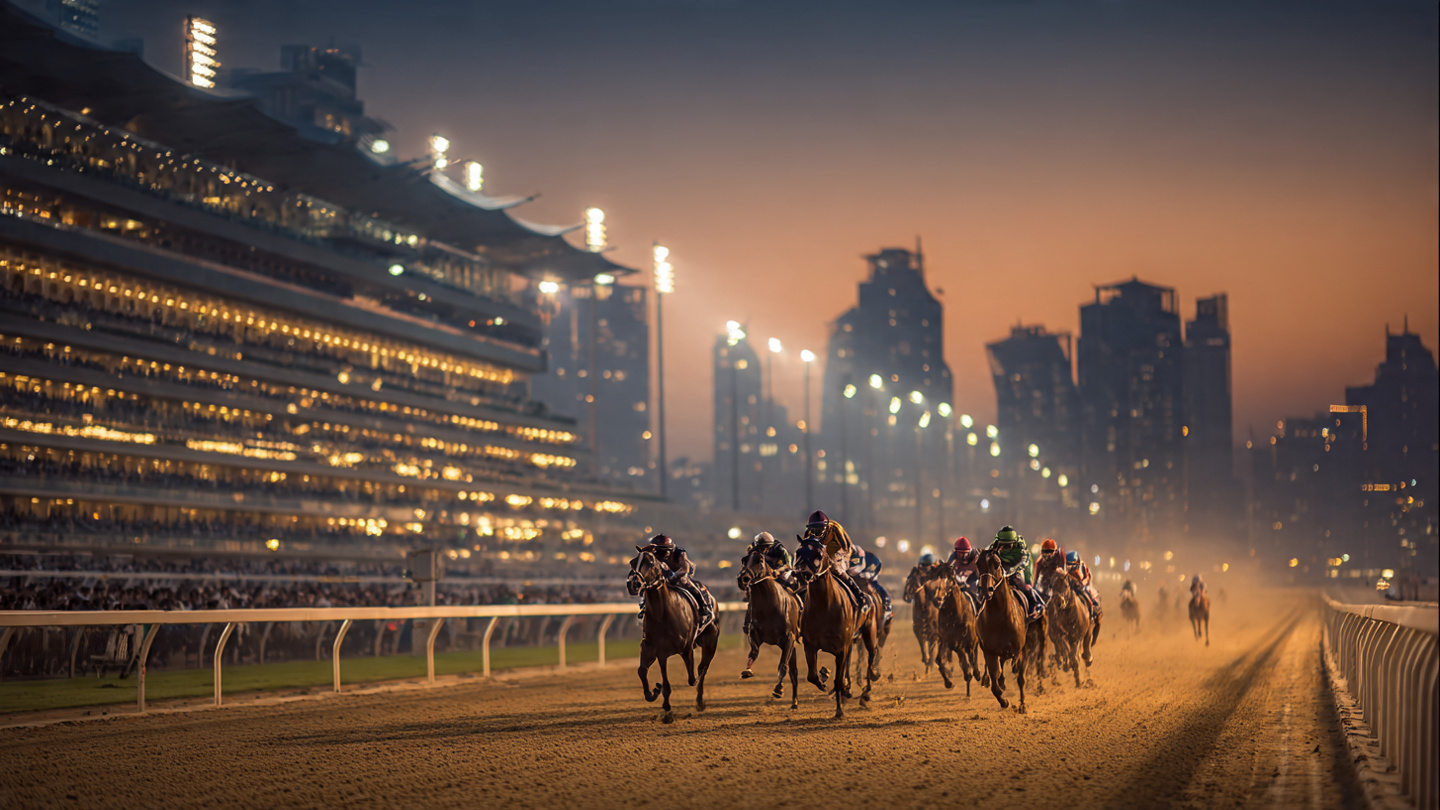
To understand why the race goes on, it helps to look beyond emotion and examine structure. Large sporting events survive turbulent times when they are backed by wealth, infrastructure, planning, and a strong ecosystem of stakeholders. Dubai has all four.
The emirate has spent years investing in world-class venues, transportation, hospitality, and security. That foundation gives organizers the confidence to proceed even when political conditions in the wider region are tense. Unlike smaller race meetings that can disappear from view with little consequence, the Dubai World Cup sits at the intersection of sport, commerce, and national branding. Too many interests depend on its success for it to be easily abandoned.
There is also a practical truth that many fans understand, even if they do not say it loudly: horse racing is a global industry that rarely stops entirely. Trainers still need to run horses. Owners still need to justify enormous investment. Breeders still need results that affect stallion value and bloodstock prices. A cancellation does not only disappoint spectators; it disrupts an entire commercial chain.
At the same time, continuing with the event during wartime conditions or regional instability can feel morally complicated. Some observers see endurance and professionalism. Others see detachment and excess. Both reactions are understandable. Sport often presents itself as separate from politics, but it is never fully insulated from the world around it.
The tension between spectacle and reality
This is where the Dubai World Cup becomes more than a horse race. The pageantry, designer fashion, premium hospitality, and multimillion-dollar prize pools create an atmosphere of abundance. But when war dominates nearby narratives, the contrast can appear jarring. That visual divide is part of why the event draws such intense attention. It embodies a modern paradox: the world can be fractured, and yet luxury sport can still operate at full volume.
From a reader's perspective, that contradiction is not something to avoid; it is something to examine honestly. Sporting events do not erase suffering, but they do reveal how societies prioritize continuity. They show the degree to which prestige, economics, and ritual can hold their place even when the broader atmosphere is unsettled.
Meydan Racecourse as a Symbol of Stability and Ambition
Meydan Racecourse is central to the story. It is not merely a venue; it is an architectural declaration. Vast, polished, and unmistakably designed for global visibility, Meydan embodies the kind of modern spectacle Dubai has perfected. Every detail, from hospitality suites to track presentation, supports the same message: this is where the world comes to watch excellence performed at scale.
In practical terms, Meydan gives the event resilience. Top-tier facilities make logistics easier for international teams. Strong operational planning reduces uncertainty. A venue of this caliber reassures owners and sponsors that, even during periods of regional strain, the event itself will meet global standards.
There is also a psychological effect. In moments of instability, audiences gravitate toward places that seem controlled, polished, and secure. Meydan offers exactly that impression. For visitors, it can feel like stepping into a parallel environment where schedules hold, ceremonies proceed, and the drama is confined to the track.
That atmosphere matters in horse racing because confidence drives participation. Owners do not ship elite horses halfway across the world without trust in the venue, the surface, the veterinary systems, and the event's organizational strength. Meydan has spent years building that trust, and the Dubai World Cup benefits from it every season.
The Business of Horse Racing in Uncertain Times
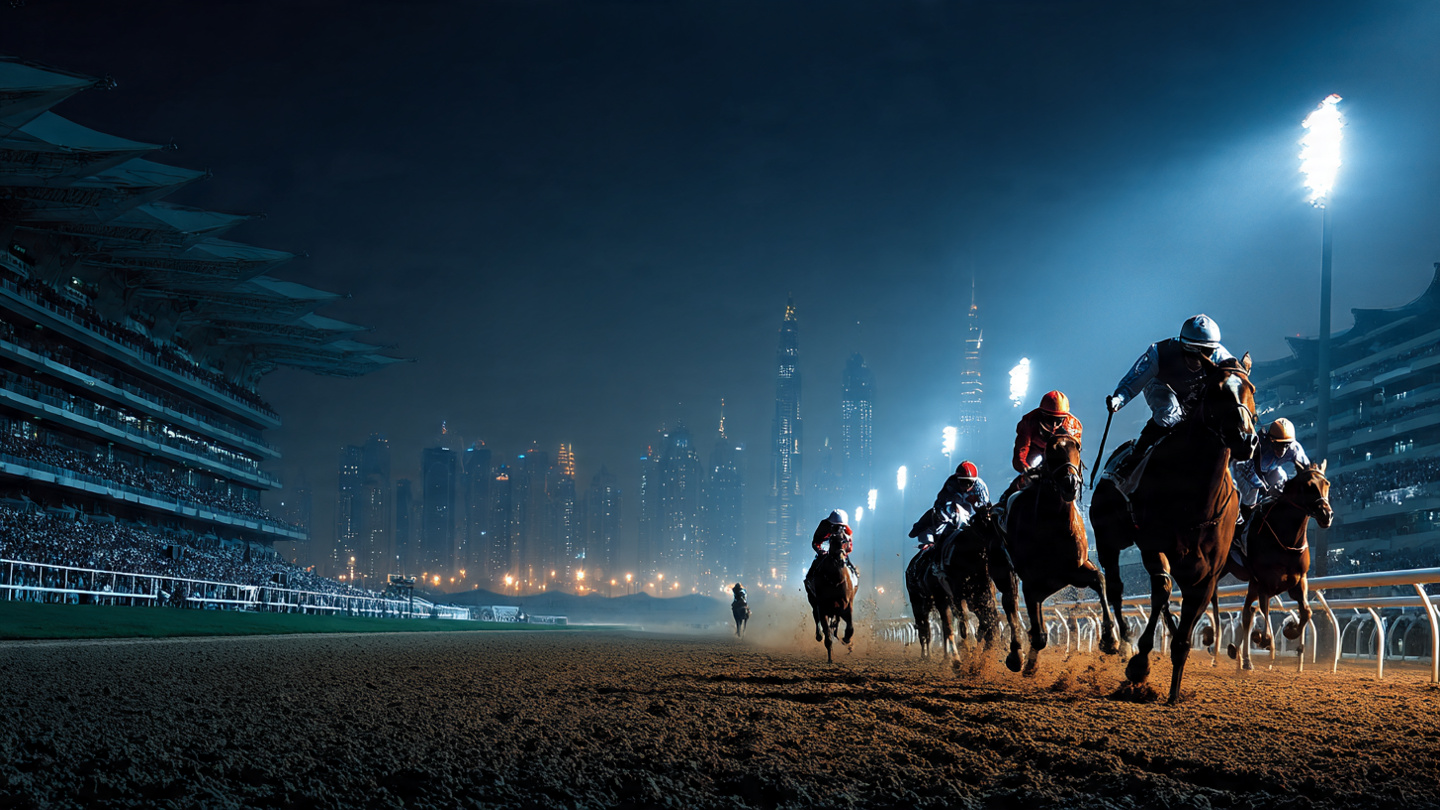
If the Dubai World Cup were only about sport, its persistence during conflict would be notable. But because it is also a business engine, its continued staging becomes easier to understand. Horse racing in Dubai supports tourism, luxury retail, sponsorship, media coverage, and high-value networking. For many attendees, the race is as much about relationships and influence as it is about the finish line.
Consider a simple example. A major owner from Europe flies into Dubai with a racehorse, a training team, family members, and business associates. They stay in top hotels, use transport services, host dinners, attend other events, and potentially conduct business meetings while in the city. Multiply that by dozens of high-net-worth participants and corporate guests, and the wider economic effect becomes obvious.
Even television coverage carries strategic value. Every sweeping shot of Meydan, every feature on the crowd, and every report on the purse reinforces Dubai's international positioning. In the age of global media, a race meeting can function like a live advertisement for destination branding.
- Tourism boost: International visitors fill hotels, restaurants, and premium experiences.
- Media exposure: Coverage expands Dubai's visibility in sports and business press.
- Bloodstock impact: Race results influence breeding value and future sales.
- Corporate hospitality: The event creates a high-status setting for networking and deal-making.
This business reality does not erase ethical questions, but it explains the durability of the event. In modern sport, prestige and economics are deeply intertwined. The Dubai World Cup survives because it delivers both.
What the Race Means to Fans, Owners, and the Wider Public
For fans, the appeal remains straightforward: elite horses, world-class jockeys, dramatic finishes, and the unmistakable thrill that only championship racing can provide. The Dubai World Cup offers a blend of speed, tension, and international star power that few events can match. Even people who follow racing only casually often tune in because the occasion feels grand.
For owners and trainers, the race carries a different weight. It is an opportunity to win one of the sport's most prestigious prizes and prove that their horse belongs on the global stage. For jockeys, it is a career-defining platform. Victory in Dubai can elevate reputation, marketability, and future opportunities.
For the broader public, however, the event often serves as a mirror. Some see resilience and continuity. Some see luxury amid crisis. Others see a city determined to protect its economic and cultural momentum regardless of geopolitical turbulence. None of those interpretations is entirely wrong.
A personal perspective on why people still watch
What keeps people engaged in times like these is not simply escapism. It is also the human need for rhythm. Big events remind us that life does not move in a single direction. Even while wars reshape politics and personal lives, certain rituals endure. A race scheduled months in advance still reaches its post time. A horse still breaks from the gate. A crowd still rises when the field turns for home. There is something strangely grounding in that continuity, even if it coexists with discomfort.
That does not mean audiences are indifferent to suffering. Rather, it means sport occupies a complicated emotional space. People can feel admiration for the horses, excitement for the competition, and unease about the context all at once. In fact, that layered response may be the most honest way to experience an event like the Dubai World Cup today.
Can Sport Ever Be Separated From Politics?
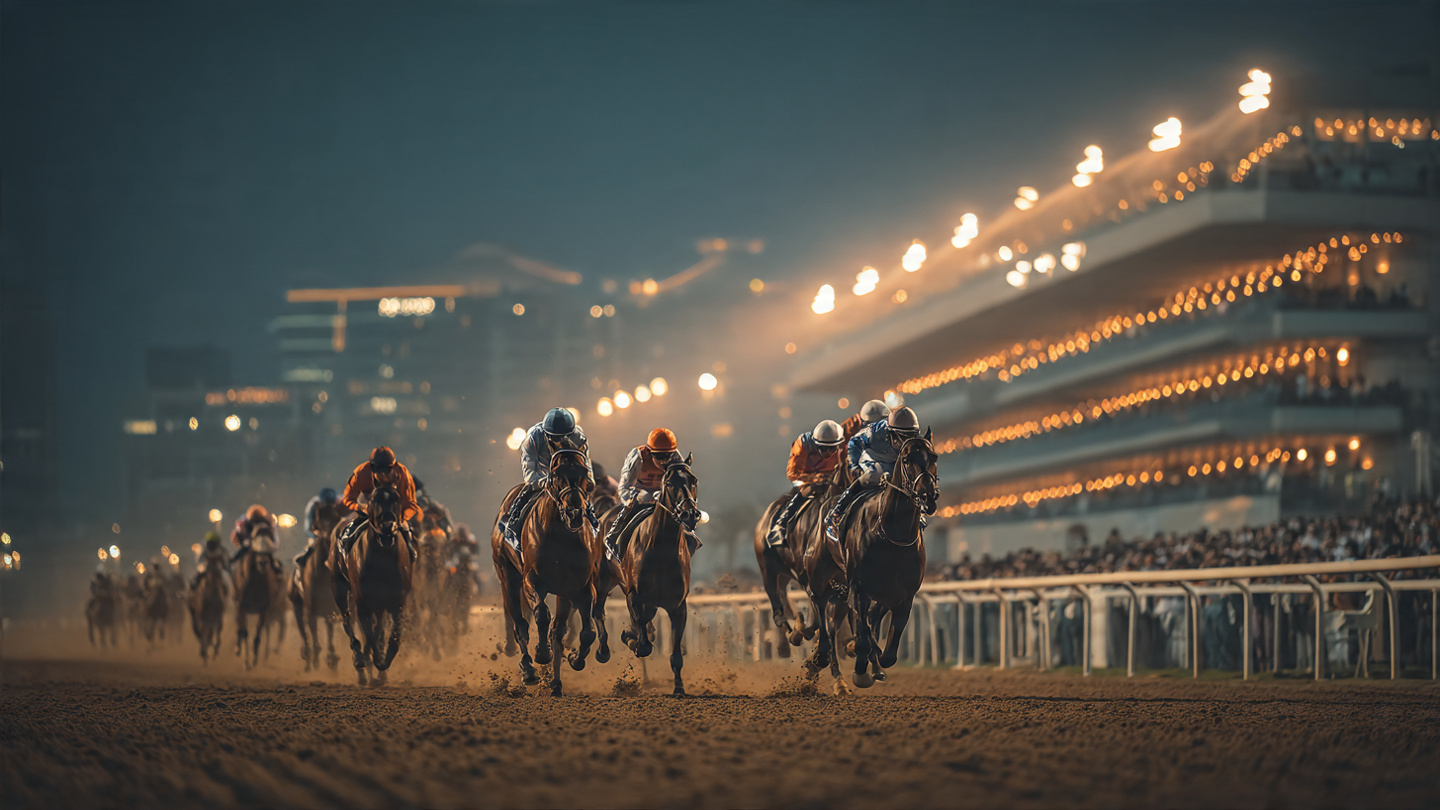
This question follows almost every major international event, and the Dubai World Cup is no exception. Officially, horse racing tends to present itself as a realm of competition, heritage, and excellence. But in reality, sport is always connected to politics through sponsorship, hosting power, media framing, and state image.
Dubai's racing spectacle illustrates that connection with unusual clarity. The event is glamorous, but it is also strategic. It invites the world to focus on precision, luxury, and elite performance rather than instability. That does not make the race illegitimate. It simply means viewers should understand the full context in which it operates.
There is a useful distinction here. A sporting event does not need to become a political rally to carry political meaning. The act of continuing, hosting, spending, broadcasting, and celebrating is itself meaningful. In that sense, the Dubai World Cup becomes part of a larger story about how nations and cities use sport to signal confidence during uncertain times.
The Future of International Horse Racing in a Volatile World
Looking ahead, the long-term lesson may be that major racing events will increasingly be judged not only by athletic quality but by their ability to navigate instability. Security, logistics, crisis planning, reputational risk, and global perception are now permanent parts of elite sports management. Dubai appears better prepared than many destinations to meet that challenge.
The future of international horse racing will likely depend on organizers who can balance glamour with credibility. Fans still want spectacle, but they also want context. They want great racing, but they are more aware than ever of how sport intersects with money, power, and world events.
Dubai's advantage is that it understands staging. It knows how to turn a race into a global event and a venue into a symbol. The test will be whether that model remains persuasive as audiences become more critical and more informed. For now, the Dubai World Cup continues to command attention because it offers exactly what modern sport often sells best: excellence wrapped in narrative tension.
Conclusion: A Race That Reveals More Than a Winner
The Dubai World Cup endures because it is more than a horse race. It is a collision of sport, wealth, identity, and geopolitics, staged at one of the world's most recognizable racing venues. Amid war and regional unease, its continuation can feel impressive, unsettling, or both. That complexity is precisely why it matters.
At Meydan, the horses still run, the crowd still watches, and the city still presents itself as a place of order and ambition. But beneath the spectacle lies a deeper story about what global sport protects, promotes, and prioritizes in difficult times. For fans of horse racing in Dubai, the event remains essential viewing. For everyone else, it offers a revealing window into how prestige survives in a fractured world.
If you follow major sporting events for more than just results, the Dubai World Cup deserves your attention. Watch the race, study the atmosphere, and ask the bigger questions. In moments like this, sport does not merely entertain; it explains the world in ways headlines alone often cannot.
Call to action: If you want sharper analysis on global horse racing, major sporting events, and the forces shaping elite competition, keep following this space for deeper coverage, practical insights, and timely commentary.


