Some novels do more than tell a story. They capture a cultural mood so completely that, years later, they still feel current. The Devil Wears Prada novel is one of those books. Long before the film became a defining pop-culture touchstone, the 2003 book introduced readers to a glittering, ruthless world where fashion, status, and survival collided. Now, with renewed attention on the franchise and fresh excitement surrounding its next cinematic chapter, there is no better time to return to the novel that started it all.
What makes this book endure is not just the designer labels, the sharp dialogue, or the deliciously intimidating editor at its center. It is the way the story exposes the mechanics of ambition. Beneath the glossy surface, the novel asks questions that still resonate: How much of yourself should you sacrifice for success? When does a dream job become a trap? And why do institutions built on beauty so often thrive on fear?
Revisiting this story today is especially rewarding because the world has changed, yet many of its tensions have not. Work culture remains demanding. Prestige still carries power. Young professionals are still told to endure impossible standards in exchange for opportunity. That is precisely why this book continues to attract both first-time readers and returning fans.
Why the novel remains culturally relevant
At first glance, The Devil Wears Prada looks like a stylish insider story about the fashion industry. It certainly delivers that pleasure. Readers get the thrill of stepping into rarefied spaces, seeing how magazines shape taste, and witnessing the hierarchy behind luxury branding. But the book’s deeper appeal comes from its insight into workplace pressure and identity.
The protagonist, Andrea Sachs, enters the orbit of a legendary editor whose approval can open every door. She is smart, ambitious, skeptical, and initially disconnected from the world she is entering. That outsider perspective gives the novel its energy. Andrea becomes the lens through which readers experience not only fashion publishing, but also the psychological cost of serving a system built on impossible expectations.
This is why the book continues to feel so modern. It is not merely a fashion novel. It is a story about:
- Power dynamics in elite workplaces
- Career ambition versus personal values
- Image management as a form of social control
- Burnout and emotional labor long before those terms became mainstream
- Aspiration culture and the price of belonging
For many readers, that makes the book far more than a nostalgic read. It becomes a mirror, especially for anyone who has worked under a demanding boss, navigated a status-conscious industry, or wondered whether external success is worth internal exhaustion.
The Devil Wears Prada as fashion industry satire
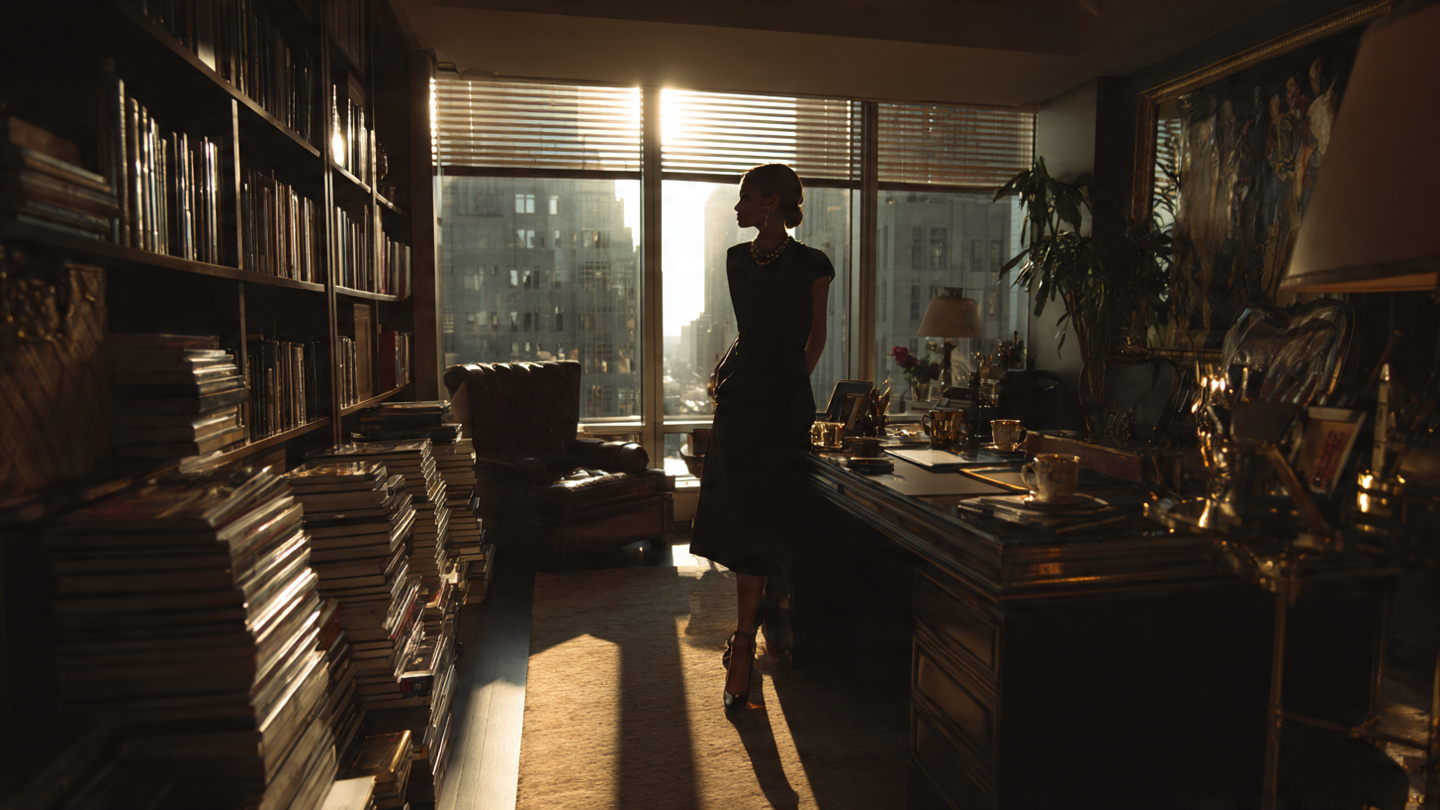
One of the most satisfying aspects of the novel is its use of satire. The fashion world is portrayed with fascination, but never blind admiration. The clothes are exquisite, the standards are absurd, and the rituals of prestige can be almost comically extreme. The book understands the seduction of luxury while exposing its contradictions.
This balance is what gives the narrative staying power. The story does not simply mock fashion. Instead, it reveals how fashion can function as both artistic expression and institutional theater. It celebrates style’s transformative power while critiquing the snobbery and cruelty that often accompany exclusivity.
That nuance is important. Readers are not asked to reject beauty, taste, or refinement. They are invited to question the systems that weaponize them. A bag, a shoe, a seat assignment, or a sample size becomes more than an accessory; it becomes a symbol of who matters and who does not.
In that sense, the novel works brilliantly as fashion industry satire. It shows how trends are manufactured, how reputation is curated, and how fear can become part of a brand’s internal culture. Anyone interested in media, luxury, or the business of image will find plenty to analyze beneath the novel’s entertaining surface.
What the satire gets exactly right
Even readers who know little about publishing or fashion quickly recognize the emotional logic of the world being described. The details may be exaggerated for effect, but the structure feels believable. High-pressure industries often operate on the same unwritten rules:
- Access is limited and therefore fetishized
- Exhaustion is reframed as commitment
- Abuse is excused as genius
- Taste becomes a marker of authority
- Younger staff are expected to prove themselves through endurance
That formula extends far beyond fashion. It applies to media, entertainment, finance, tech, and any field where prestige can silence criticism. This is one reason the novel still attracts discussion: its core observations are transferable.
Andrea Sachs and the universal story of early-career ambition
At the center of the novel is Andrea, and her appeal lies in how recognizably human she feels. She is not presented as a perfect heroine. She is capable, frustrated, judgmental, vulnerable, and often conflicted. Her journey reflects the emotional turbulence many people experience in their twenties, especially when a career path begins to define their sense of worth.
What makes Andrea compelling is that she does not start as someone dazzled by fashion. She starts as someone practical, someone with different aspirations, someone convinced she can remain untouched by the values of the environment around her. That assumption gradually unravels, and watching it happen is one of the book’s greatest pleasures.
Most readers can relate to some version of that experience. You take a job “for now.” You tell yourself it is strategic. You believe you can tolerate the pressure because it leads somewhere better. Then the hours stretch, the demands intensify, and your life begins to orbit someone else’s priorities. Suddenly, compromise no longer feels temporary.
That is where the novel becomes especially sharp. It understands that ambition is rarely simple. Success can bring validation, access, and confidence. It can also blur your boundaries. The Devil Wears Prada book review conversations often focus on glamour, but the real engine of the story is emotional erosion. Andrea is not just learning how to perform a job; she is learning how easily self-respect can be negotiated away when approval is attached to opportunity.
A personal perspective on why this still lands
What makes the book linger, in my view, is how familiar its emotional landscape remains. Even outside fashion, many people know what it feels like to reorganize their schedule, energy, and self-image around a workplace that keeps moving the goalposts. The details may differ, but the pattern is universal. You start by wanting experience. You end up questioning your entire lifestyle.
That is why this novel often hits harder on a reread. When you are younger, the story can feel like an entertaining insider tale. When you revisit it later, it reads more like a study of compromise, class signaling, and emotional endurance. The wit is still there, but so is the warning.
The legacy of Miranda Priestly and the power-boss archetype
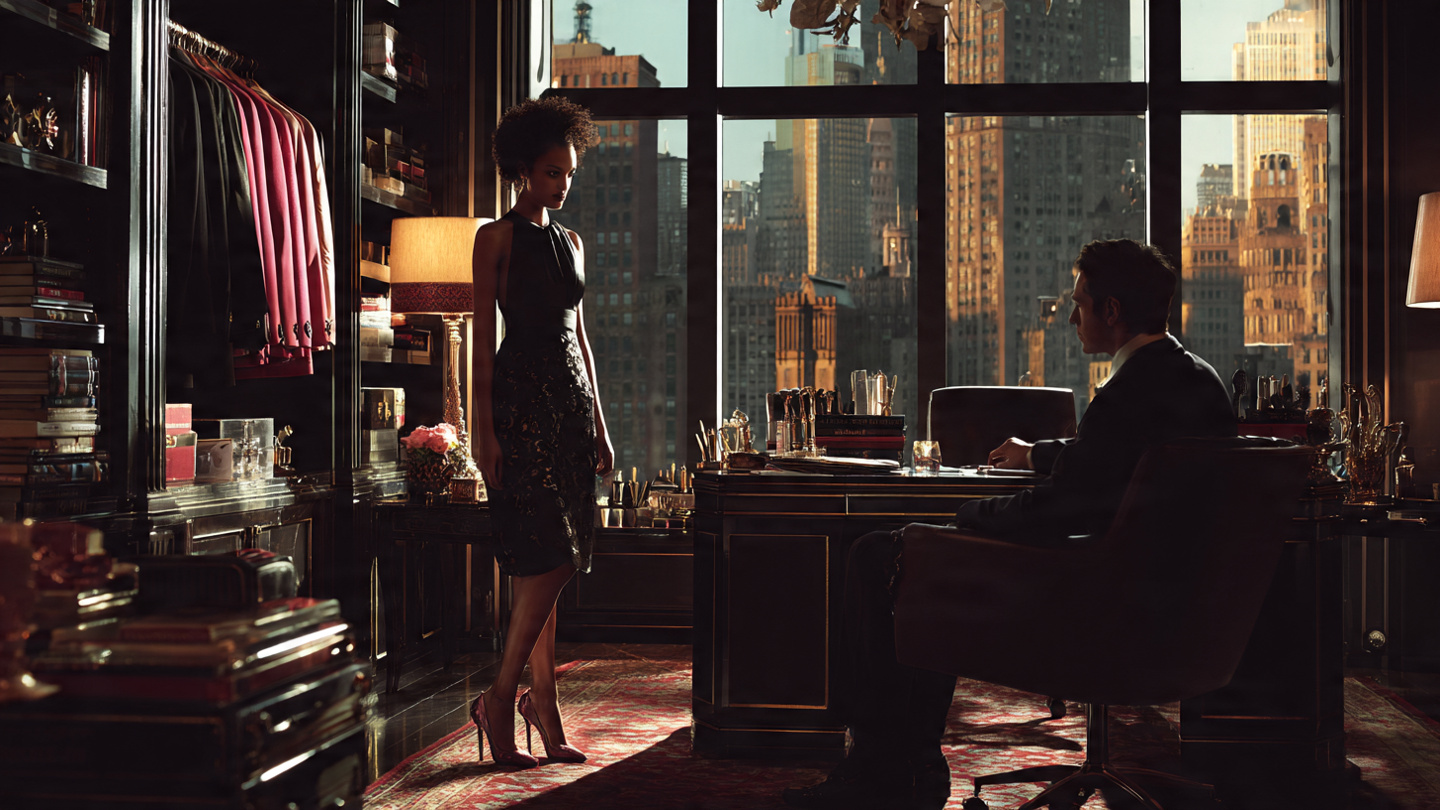
No discussion of the novel is complete without addressing Miranda Priestly, the commanding editor whose presence shapes every page. She is not simply a villain. She represents a particular kind of institutional power: elegant, feared, hyper-competent, emotionally remote, and almost mythic in the minds of those around her.
The genius of the character lies in her effect on others. Miranda does not need constant outbursts to dominate a room. Her standards, preferences, and moods structure the behavior of everyone in her orbit. That makes her one of the most memorable boss figures in modern entertainment, not only because she is intimidating, but because she reflects how authority often works in elite spaces.
There is also a reason Miranda continues to inspire discussion across generations. She arrived before the current wave of conversations about toxic leadership, performative excellence, and workplace trauma. Yet the novel intuitively understood those dynamics. Miranda’s power is sustained by a culture that normalizes fear and calls it professionalism.
At the same time, readers remain fascinated by her because competence is seductive. She is difficult to dismiss. The book resists reducing her to a cartoon, and that complexity keeps the character alive in public imagination. She is terrifying, yes, but she is also efficient, discerning, and impossible to ignore.
How the book differs from the movie experience
For readers who first encountered the story on screen, returning to the novel offers a richer and often sharper experience. The film adaptation is beloved for good reason: it is stylish, quotable, and wonderfully performed. But the book provides more room for Andrea’s internal conflict, more detail about the grueling machinery of the job, and a different tonal balance between comedy and critique.
Reading the novel before revisiting the film can be especially rewarding because it highlights how adaptations reshape emphasis. The book tends to feel more abrasive, more intimate, and more invested in the slow accumulation of stress. It also gives readers a clearer sense of Andrea’s values and the ways those values are tested.
That distinction matters as excitement grows around the continuation of the franchise. The novel remains the foundation. To understand why this story resonated so widely in the first place, it helps to go back to the source material and see how expertly it built its emotional stakes.
Reasons to read or reread it now
- It offers a fuller portrait of Andrea’s psychological journey
- It deepens the workplace critique behind the glamour
- It sharpens the satire of media and luxury culture
- It provides fresh context before the next film arrives
- It rewards modern readers with themes that feel newly relevant
The book’s themes in today’s work and media culture

If the novel were published for the first time today, it would likely spark intense conversation around hustle culture, emotional boundaries, and the aesthetics of success. That is because many of its central tensions are now part of everyday discourse.
Consider how strongly the book aligns with current concerns:
- Always-on work expectations have only intensified in the digital era
- Personal branding now shapes how people present themselves professionally
- Status signaling remains central in media, fashion, and online culture
- Burnout is more widely recognized, but often still normalized
- Exclusive industries continue to rely on overwork as a gatekeeping mechanism
That is why The Devil Wears Prada novel feels surprisingly contemporary. It captures a world in which visibility and value are intertwined, where taste operates as a social currency, and where young workers are expected to absorb pressure in exchange for proximity to power.
In practical terms, the novel can even prompt useful self-reflection. Readers may ask themselves: What do I actually want from work? Which forms of recognition are meaningful, and which are manipulative? When does “earning your place” become a euphemism for mistreatment? Those are not abstract literary questions. They are deeply practical ones.
Why book clubs and first-time readers keep returning to it
This novel remains ideal for group discussion because it is entertaining on the surface and layered underneath. It offers style, conflict, humor, and recognizable social dynamics, while also opening the door to larger conversations about class, labor, femininity, leadership, and aspiration.
For book clubs, it works especially well because readers can approach it from multiple angles:
- As a fashion novel with irresistible behind-the-scenes appeal
- As a coming-of-age story about identity and compromise
- As a satire of elite work culture
- As a media industry portrait with lasting relevance
- As a character study of ambition, fear, and self-definition
It is also highly accessible. You do not need insider knowledge of magazines or luxury branding to enjoy it. The emotional stakes are clear, the pacing is strong, and the central dilemma is instantly understandable. Almost everyone has known some version of the question Andrea faces: Is this opportunity changing my life for the better, or simply changing me?
Conclusion: a novel worth revisiting before the next chapter
There are plenty of books that become popular in their moment. Far fewer remain meaningful decades later. The Devil Wears Prada endures because it combines entertainment with insight. It gives readers glamour and discomfort, comedy and critique, fantasy and realism. Most importantly, it understands that ambition is often most dangerous when it looks irresistible.
Before the next film reopens this world for audiences, the novel offers the perfect opportunity to revisit the origin of its power. This is the story that defined the tone, built the mythology, and introduced one of modern pop culture’s most unforgettable workplace dynamics. Whether you are reading it for the first time or returning with fresh perspective, the experience is likely to feel richer than expected.
If you have only seen the adaptation, now is the moment to pick up the book and discover the sharper edges beneath the gloss. And if you already know the novel well, this is the perfect time to reread it with today’s conversations about work, status, and self-worth in mind. Open the book, step back into the chaos, and see why this fashion industry satire still wears remarkably well.
Looking for your next smart, discussion-worthy read? Add this one to your list, revisit the film afterward, and bring your own perspective to the enduring question at its heart: what are we really willing to trade for success?


