The announcement of the CPW Saltzman Prize winner is more than a routine arts headline. It marks a meaningful moment in the world of emerging photography, where fresh voices challenge how we see identity, place, and the stories carried by the body. This year, that spotlight falls on Sridhar Balasubramaniyam, an artist recognized for a visual language that feels both intimate and expansive. His work stands out for the way it explores the relationship between body and land, creating photographs that are emotionally resonant, conceptually rich, and deeply timely.
In an era when contemporary photography often competes for attention in increasingly crowded visual spaces, Balasubramaniyam’s images offer something rarer: a sense of stillness, reflection, and layered meaning. They ask viewers not just to look, but to linger. They suggest that landscape is never neutral, that the body is never detached from history, and that photography remains one of the most powerful mediums for translating personal experience into a universal encounter.
For anyone who follows art awards, museum programming, or the careers of rising image-makers, this recognition matters. The Center for Photography at Woodstock, widely known as CPW, has long played a significant role in supporting artists whose work pushes the medium forward. The Saltzman Prize, dedicated to emerging photographers, is especially noteworthy because it identifies talent at a stage when institutional support can dramatically shape a career. In that sense, this year’s decision says as much about where photography is heading as it does about one artist’s achievement.
Why the CPW Saltzman Prize Matters
The Saltzman Prize is not simply an accolade. It functions as a cultural signal. Awards like this help frame which conversations matter in photography today, and they often introduce broader audiences to artists whose practices deserve sustained attention. By honoring an emerging photographer, CPW reinforces the idea that new perspectives are essential to the health of the field.
What makes this prize particularly important is the kind of work it tends to elevate: thoughtful, boundary-pushing, and rooted in a strong point of view. Rather than rewarding spectacle alone, the prize recognizes work that can open deeper discussions about memory, place, identity, and representation. That is exactly where Balasubramaniyam’s practice lands with remarkable force.
- Institutional credibility: CPW has a respected history of supporting innovative photographic work.
- Career acceleration: Recognition can expand exhibition opportunities, press attention, and curatorial interest.
- Cultural relevance: The prize often highlights themes shaping contemporary photography right now.
- Audience impact: Award-winning artists gain access to viewers who may not yet know their work.
From a broader industry perspective, honors like the CPW prize can change the speed and scale of an artist’s visibility. Curators take notice. Editors take notice. Collectors and institutions begin paying closer attention. For emerging photographers, that shift can be pivotal. It is one thing to create compelling work; it is another to have an established platform validate its urgency and invite the public into the conversation.
Sridhar Balasubramaniyam’s Unique Visual Perspective
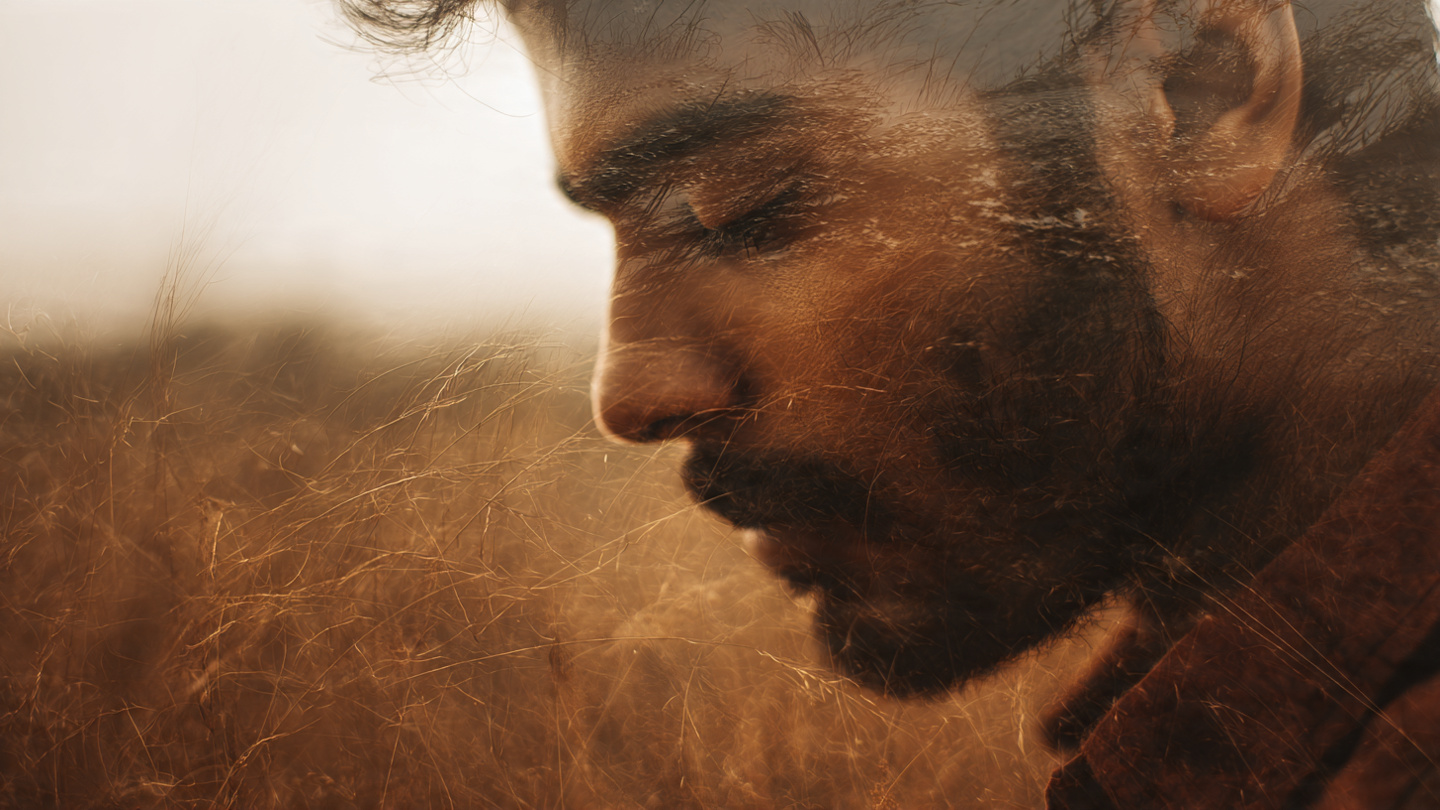
At the center of this year’s recognition is a practice defined by nuance. Sridhar Balasubramaniyam has been chosen for his distinctive approach to narrating the relationship between body and land, a subject that could easily become overly theoretical in less sensitive hands. Instead, his work feels grounded. It is tactile, contemplative, and alive to the emotional charge that can emerge when people and places are understood as inseparable.
That connection between body and land is one of the most compelling areas in contemporary photography today. It opens questions about ancestry, belonging, migration, memory, labor, vulnerability, and environmental presence. Photography is uniquely suited to these ideas because it can hold contradiction so well. A single frame can communicate beauty and discomfort, intimacy and distance, personal history and collective meaning. Balasubramaniyam appears to understand this instinctively.
What makes his perspective feel unique is not only the theme itself, but the way he approaches it. There is a sense of attention in the work, an unwillingness to flatten experience into easy symbolism. The body is not reduced to an object. The land is not treated as a backdrop. Instead, both seem to exist in dialogue. That dialogue gives the photographs their tension and their power.
The Meaning of Body and Land in Photography
The phrase body and land can be interpreted in many ways, and that is part of its richness. It may refer to the body’s physical relationship to terrain, climate, and environment. It may point to inherited geographies, to the cultural meanings embedded in place, or to the emotional and political realities of occupying space. In photography, these ideas become especially potent because images can render those relationships visible without overexplaining them.
As a viewer, I find this kind of work especially rewarding because it resists instant consumption. It encourages a slower reading. You begin by noticing form, texture, gesture, and composition. Then the deeper questions arrive: Who belongs here? What histories are present but unseen? How does land shape identity, and how does the body carry memory across time?
That is where serious photographic work separates itself from merely attractive imagery. Great photography creates an experience that continues after the first glance. It stays with the viewer, and in the best cases, it changes the way the viewer looks at the world beyond the frame.
How This Win Reflects Larger Trends in Emerging Photography
The decision to honor Balasubramaniyam also reflects a wider shift in the photography landscape. More institutions are recognizing artists whose practices engage with identity, place, embodiment, and ecology in layered ways. This is not a fleeting trend. It is part of a larger movement toward work that combines aesthetic intelligence with social and emotional depth.
For years, there was a tendency in some corners of the art world to separate formal beauty from conceptual rigor, as if a photograph had to choose one over the other. The strongest emerging photographers have been undoing that divide. They create images that are visually compelling while also carrying complex meaning. Balasubramaniyam’s recognition fits squarely within that evolution.
There is also a growing appetite for work that resists generic global visual culture. In digital spaces flooded with endlessly reproducible imagery, viewers and curators alike are searching for authorship, specificity, and sincerity. Artists who can articulate a distinctive worldview stand out immediately. Awards like the CPW Saltzman Prize increasingly reward that authenticity.
- Stronger focus on personal narrative: Emerging photographers are drawing from lived experience with greater confidence.
- Renewed interest in place-based storytelling: Landscape is being treated as a carrier of history, not just scenery.
- Cross-disciplinary depth: Photography now often overlaps with research, archive, performance, and installation.
- Demand for visual originality: Institutions value artists whose images feel unmistakably their own.
This makes Balasubramaniyam’s win feel both personal and representative. Personal, because the work clearly has a singular voice. Representative, because it captures the concerns that many of today’s most thoughtful artists are navigating with urgency and care.
What CPW’s Recognition Means for the Artist’s Future
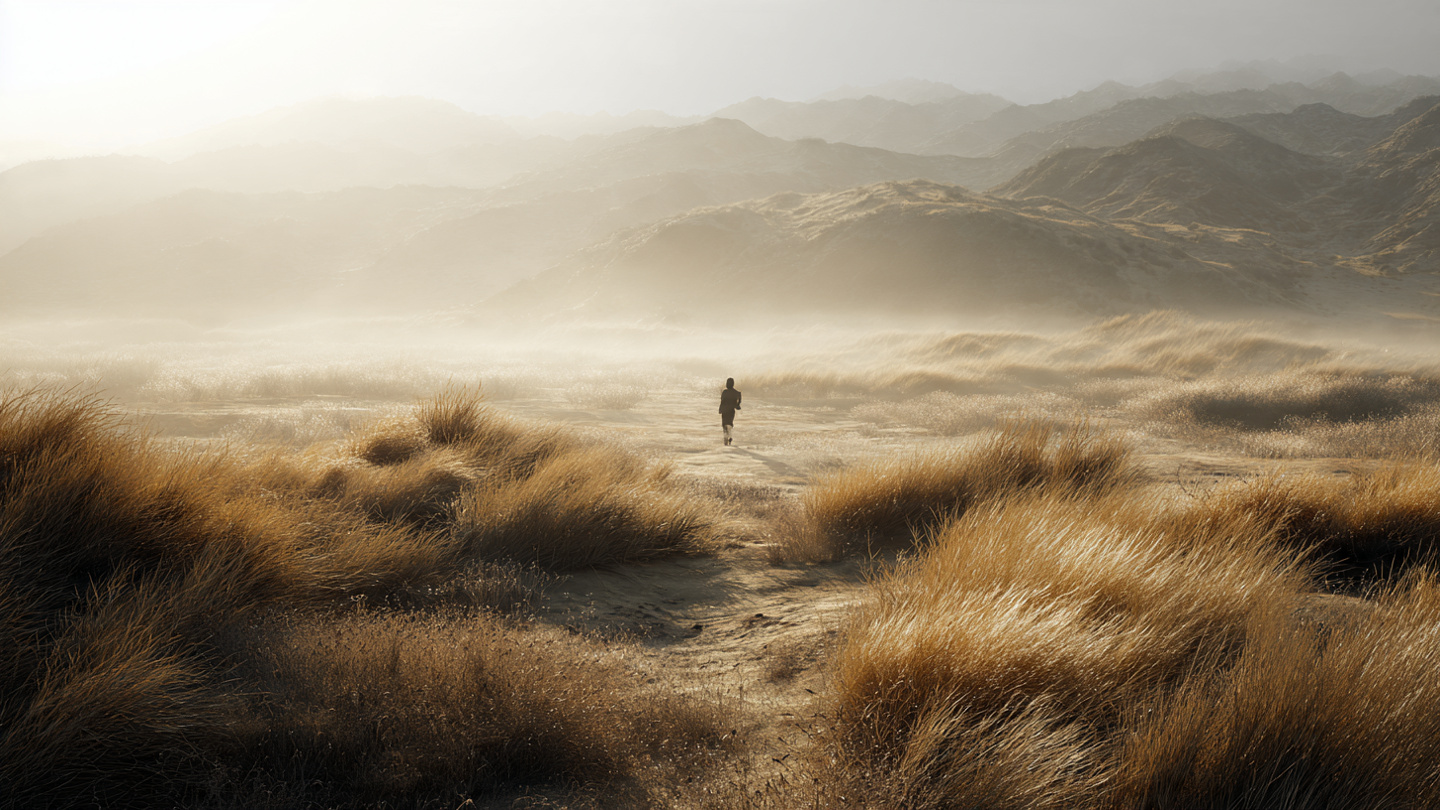
Winning a respected prize at the emerging stage can be transformative. In practical terms, it can increase visibility, open doors to institutional collaborations, and generate new opportunities for exhibitions, residencies, and publications. But beyond those obvious benefits, there is another effect that is sometimes overlooked: confidence. Recognition from a respected organization can give an artist permission to deepen the very instincts that make the work distinctive.
That matters because early-career photographers are often under pressure to become more marketable, more legible, or more quickly digestible. Yet the artists who endure are usually the ones who keep refining a voice that cannot be mistaken for anyone else’s. A prize like this suggests that Balasubramaniyam’s practice has both immediate impact and long-term relevance.
For audiences, that means this is likely not the last time his name will appear in major photography conversations. This recognition positions him as an artist to watch closely, not simply because he has won an award, but because the award confirms what the work already indicates: there is a sustained and meaningful vision here.
Why Emerging Artist Support Is Essential
It is easy to celebrate artists once they are firmly established. The harder and more important task is supporting them while their ideas are still evolving in public. That is why prizes dedicated to emerging photographers are so valuable. They create room for experimentation, seriousness, and risk-taking at a stage when many artists need it most.
In my view, one of the healthiest signs in the art ecosystem is when institutions invest in artists before consensus has fully formed around them. It shows courage and curatorial insight. It also helps ensure that photography remains dynamic rather than repetitive. Supporting rising talent is not charity; it is a strategic investment in the future of the medium.
Why Audiences Respond to This Kind of Work
One reason Balasubramaniyam’s recognition is likely to resonate beyond specialist circles is that his themes are deeply human. Even viewers with little formal knowledge of art photography understand what it means to feel connected to a place, displaced from it, shaped by it, or haunted by it. The body is where experience is felt. Land is where experience unfolds. When a photographer brings those two dimensions together effectively, the result can be profoundly moving.
This kind of work also meets a broader cultural hunger for meaning. Audiences are increasingly skeptical of empty visual polish. They want images that do more than decorate a feed or fill a wall. They want photographs that invite reflection, ask difficult questions, and offer emotional depth. That is especially true in a time when environmental change, migration, belonging, and identity are central public conversations.
Practical examples help make this clear. Think of how a portrait changes when it is made in a landscape that carries ancestral significance. Or how a body positioned in relation to soil, water, or architecture can evoke labor, ritual, vulnerability, or resistance. These are not abstract effects. They are felt immediately, even before language catches up. The strongest artists know how to harness that visual intelligence, and this award suggests Balasubramaniyam does exactly that.
SEO Takeaway: Why This Story Has Staying Power
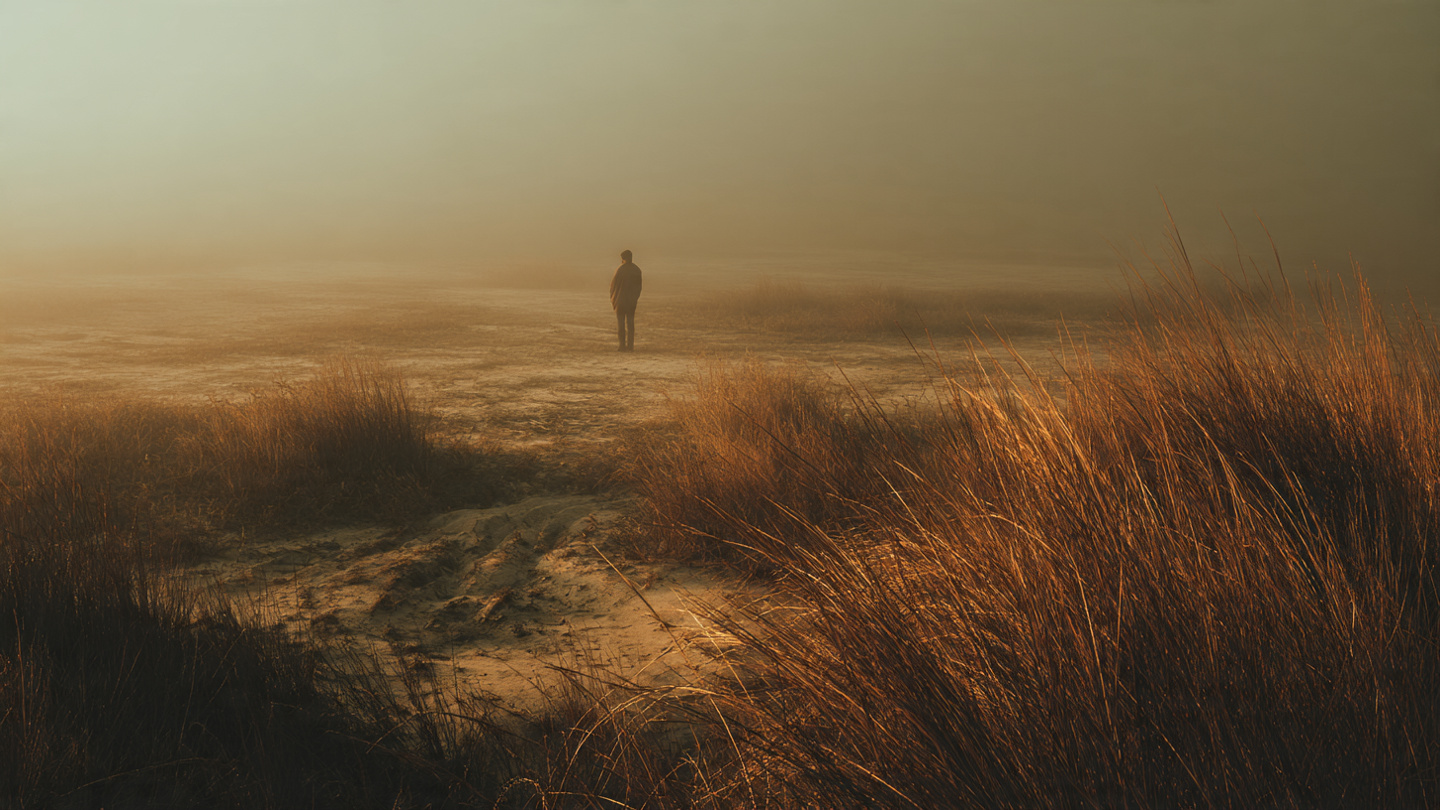
From a cultural and editorial standpoint, the story of the CPW Saltzman Prize winner has lasting relevance because it intersects with several enduring topics in the arts: emerging photographers, institutional recognition, contemporary image-making, and the evolving role of photography in conversations about identity and place. It is not a one-day headline. It is the kind of development that can anchor broader discussions about where the medium is going next.
For readers searching for information on Sridhar Balasubramaniyam, the Center for Photography at Woodstock, or photography awards supporting new talent, this announcement offers a meaningful entry point. It highlights an artist whose work captures major currents in the field while still feeling deeply personal. That balance between individual voice and cultural relevance is exactly what gives a story long-term search value and reader engagement.
- Key topic: CPW Saltzman Prize and its impact on contemporary photography.
- Featured artist: Sridhar Balasubramaniyam as a rising voice in the field.
- Core theme: The relationship between body and land in visual storytelling.
- Reader value: Insight into why this award matters now and what it signals for the future.
Conclusion
The selection of Sridhar Balasubramaniyam as the recipient of this year’s CPW Saltzman Prize feels both timely and significant. His work, praised for its unique perspective on the relationship between body and land, speaks to some of the most urgent and resonant questions in contemporary photography. It reminds us that photographs can do far more than capture appearances. They can reveal how identity is shaped by place, how memory lives in the body, and how landscape can become an active participant in storytelling.
At its best, photography gives form to what is difficult to say directly. That is why this recognition matters. It celebrates an artist whose images invite attention, reflection, and emotional presence. It also reaffirms CPW’s role in identifying the voices that will define the next chapter of the medium.
If you care about the future of photography, this is the kind of artist and the kind of award worth following closely. Pay attention to the names being elevated now, because they often become the most important visual storytellers of the next decade. And if you are a reader, curator, collector, or simply someone who believes images still have the power to move people deeply, now is the right time to explore the work, follow the conversation, and stay engaged with the artists shaping what photography can become.
Learn more about CPW and follow future photography announcements.


