Some films arrive with hype. Others arrive with expectations. And then there are the rare titles that do something far more important: they change the conversation. Project Hail Mary has done exactly that, transforming from a high-profile studio swing into Amazon MGM’s biggest box office hit. In an era when streaming economics, franchise fatigue, and audience fragmentation dominate industry debates, this success feels larger than a single release. It is a statement about theatrical appetite, the power of event storytelling, and the continued commercial strength of smart, emotionally grounded science fiction.
What makes this achievement so compelling is not just the revenue milestone. It is the way Project Hail Mary box office performance reflects several major shifts happening across Hollywood. Audiences are showing that they still turn out in force when a movie promises scale, heart, originality, and spectacle. Studios are being reminded that premium theatrical releases can build cultural momentum that streaming alone rarely matches. And fans of science fiction are getting long-awaited proof that brainy, character-driven stories can still play like mainstream events.
As someone who has watched the movie business evolve through years of streaming disruption and changing audience habits, this kind of breakout is especially fascinating. It suggests that viewers are not rejecting theaters at all. They are simply becoming more selective. When a film feels essential, cinematic, and emotionally resonant, people still want the shared big-screen experience. Project Hail Mary has become that kind of movie.
Why Project Hail Mary Matters Beyond One Box Office Record
At first glance, the headline seems simple: Project Hail Mary becomes Amazon MGM’s biggest box office hit. But behind that milestone is a much deeper business and cultural story. This success matters because it gives Amazon MGM more than bragging rights. It provides a working blueprint for how the company can compete in the theatrical arena while still leveraging its broader ecosystem.
For years, the industry has wrestled with a difficult question: can a company with deep streaming roots also build true theatrical credibility? A hit like this offers a strong answer. Not only can it happen, but it can happen at scale when the right project receives the right positioning. Rather than treating cinemas as a side channel or a marketing tool for digital releases, Amazon MGM appears to have benefited from embracing theatrical distribution as a core growth engine.
That distinction matters enormously. A movie that wins in theaters often gains stronger word-of-mouth, longer cultural relevance, and better downstream value across premium video, subscription streaming, merchandise, and international licensing. In other words, a box office hit is no longer just a box office story. It is an ecosystem story.
- Theatrical validation: The film proves Amazon MGM can create and market true cinema events.
- Brand credibility: Success at this scale boosts studio prestige with filmmakers, talent, and audiences.
- Franchise potential: A breakout hit opens the door to long-term universe-building and ancillary revenue.
- Streaming lift: A major theatrical run can increase eventual demand on digital platforms.
- Genre confidence: It reinforces that ambitious sci-fi can still perform as mainstream entertainment.
The Science Fiction Advantage
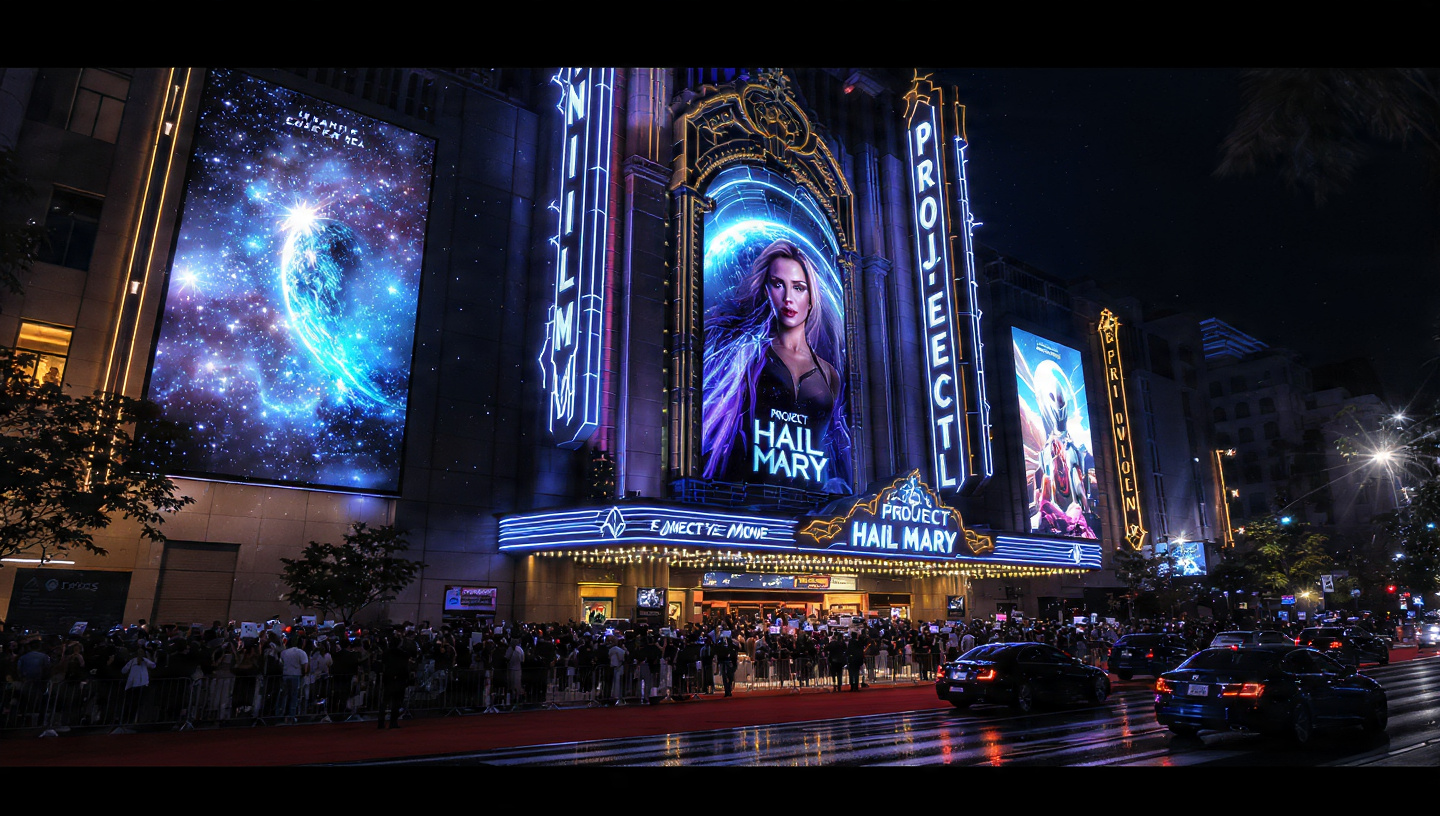
One of the most interesting aspects of the Project Hail Mary box office surge is how effectively it taps into the enduring appeal of science fiction. When the genre works, it offers something few others can match: the combination of intellectual intrigue and emotional immersion. It can ask big questions about survival, humanity, cooperation, sacrifice, and discovery while still delivering visual awe.
Project Hail Mary appears to have benefited from exactly that balance. Audiences today are drawn to stories that feel large in scale but clear in emotional stakes. A film can be set among stars, laboratories, and impossible odds, but if the heart of the story is human, people connect. That is where science fiction often wins over casual viewers who might otherwise think the genre is too dense or overly niche.
There is also a practical market reality here. Sci-fi tends to travel well internationally because its themes are universal and its visual language transcends borders. A strong concept, compelling mystery, and cinematic spectacle give studios a powerful package for global release. That makes a title like Project Hail Mary particularly valuable in a worldwide theatrical environment.
From a fan perspective, this success is refreshing. Too often, original or semi-original science fiction is treated as a high-risk proposition compared with established superhero or fantasy brands. Yet audiences repeatedly show they are hungry for fresh worlds when the storytelling is confident and the presentation feels premium. This film’s performance may encourage studios to stop underestimating that demand.
How Amazon MGM Turned a Big Bet Into a Breakout
No studio reaches a box office milestone like this by accident. A result of this scale typically comes from several aligned decisions: strong release timing, focused marketing, a clear audience promise, and trust in the theatrical experience itself. Amazon MGM seems to have understood that if Project Hail Mary was going to break through, it needed to feel like an event rather than just another release in an overcrowded marketplace.
1. Event Positioning Over Passive Awareness
One of the smartest strategies for any modern studio is making a movie feel culturally urgent. Audiences are bombarded with choices every week. They do not simply need to know a film exists; they need a reason to care now. The marketing around Project Hail Mary likely succeeded because it sold an experience: scale, emotion, mystery, and must-see spectacle. That combination is what gets viewers off the couch and into a theater seat.
2. A Strong Premium-Theater Appeal
Certain movies are designed to benefit from large-format viewing, immersive sound, and collective audience energy. Science fiction often thrives in that environment. If people believe a film will look and feel dramatically better in theaters than at home, the theatrical case becomes easy. This is especially true when visuals and tension are central to the storytelling.
3. Word-of-Mouth Momentum
Even the best campaigns have limits. Once opening weekend passes, audience response becomes the most powerful marketing tool in the business. The strongest box office runs are usually supported by enthusiastic recommendations, repeat viewings, and social conversation that signals, “You need to see this.” If a movie delivers both spectacle and emotional payoff, that momentum compounds quickly.
4. Confidence in the Material
Studios sometimes sabotage promising films by marketing them too cautiously or confusingly. The opposite approach often wins: clarity, conviction, and a confident message about what makes the movie special. The success of Project Hail Mary suggests Amazon MGM recognized that the film’s distinct identity was a strength, not a hurdle.
What This Means for Theatrical Strategy
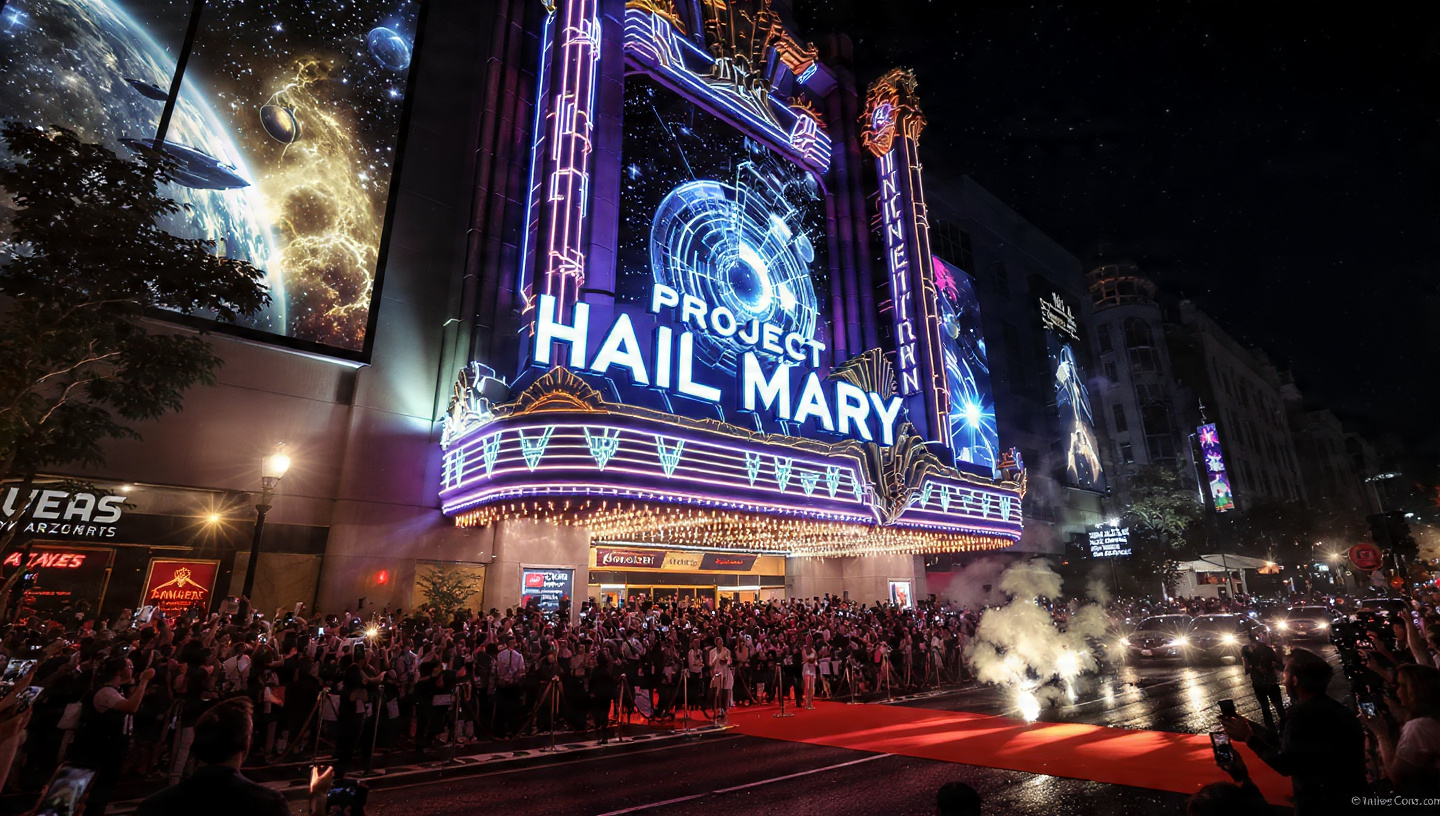
The broader industry should pay close attention. A major Amazon MGM box office hit is not just an isolated victory; it may signal how the next phase of studio competition will unfold. Streaming services and tech-backed media companies have spent years chasing scale through subscriptions. But theatrical success offers something subscriptions alone cannot guarantee: cultural concentration. A hit movie creates a moment. It becomes part of the public conversation. That has tremendous value.
In practical terms, this could influence how Amazon MGM approaches future releases. Instead of treating theaters as optional for select prestige titles, the studio may lean more aggressively into full-scale theatrical launches for films with breakout potential. If Project Hail Mary has shown anything, it is that the upside can be enormous when a studio backs the right property with the right strategy.
This also puts pressure on competitors. If audiences reward well-executed theatrical sci-fi, other studios may revisit projects they once considered too risky. Development slates are often shaped by proof of concept, and a result like this can become exactly that. When executives see meaningful returns, entire categories of filmmaking suddenly become easier to greenlight.
- More original sci-fi: Studios may increase investment in intelligent event-scale genre projects.
- Bigger theatrical windows: Strong box office returns strengthen the case for cinema-first release models.
- Talent attraction: Filmmakers may view Amazon MGM as a more serious theatrical partner.
- Long-tail monetization: Box office success improves streaming, rental, and international value.
- Audience confidence: Moviegoers are more likely to show up again when a studio earns trust.
The Audience Connection: Why Viewers Showed Up
Every big hit ultimately comes back to one simple reality: audiences wanted it. The most revealing question is not how much money the movie made, but why people felt compelled to buy a ticket. In the case of Project Hail Mary, several powerful audience drivers seem to be in play.
First, there is the appeal of high-concept storytelling. People love premises they can explain in one breath but unpack for hours afterward. That kind of hook is gold in today’s recommendation culture. It makes trailers more effective, headlines more clickable, and word-of-mouth more persuasive.
Second, there is emotional accessibility. The best sci-fi does not ask audiences to admire ideas from a distance; it invites them to feel those ideas through character stakes. That emotional bridge is what turns curiosity into fandom.
Third, there is trust. Modern audiences are selective because disappointment is expensive, both financially and emotionally. When early reactions suggest that a film is worth the trip, viewers respond. I have seen this pattern repeatedly: the movies that overperform are often the ones people believe will give them something memorable, not just competent.
Finally, there is novelty. In a market crowded with sequels, reboots, and familiar formulas, a film that feels fresh has a built-in advantage. Familiarity can open a door, but freshness is what often drives excitement. Project Hail Mary appears to have offered that mix of recognizability and discovery.
A Turning Point for Amazon MGM’s Identity

This milestone may end up being remembered as more than a commercial peak. It could become a defining chapter in how Amazon MGM is perceived. For a studio navigating the overlap between streaming scale and theatrical ambition, identity matters. Success reshapes perception quickly. A company once viewed primarily through a digital lens can suddenly look like a serious theatrical contender when it lands a movie of this magnitude.
That matters in boardrooms, at talent agencies, and among filmmakers choosing their next home. Directors want to know their work will be supported. Actors want to know their films can become events. Producers want confidence that a studio has both resources and release discipline. A breakout like this sends all the right signals.
There is also a psychological effect on audiences. When people associate a studio with quality, ambition, and theatrical payoff, each new release starts from a stronger position. Brand trust lowers the barrier to entry. Viewers are more open to buying tickets if prior experiences felt worth the investment.
Why This Win Feels Different
Not every hit changes a studio’s trajectory. Some are lucky anomalies. This one feels different because it intersects with a larger strategic debate: whether tech-backed media companies can succeed in the traditional theatrical business without diluting their streaming advantages. Project Hail Mary suggests the answer is yes, provided the execution is disciplined and the movie truly deserves event treatment.
The Bigger Lesson for Hollywood
If there is one takeaway the wider industry should absorb, it is this: audiences still reward ambition. They may be more selective than they were a decade ago, but selectivity should not be mistaken for disengagement. People have not fallen out of love with movies. They have fallen out of love with mediocrity.
That is why the Project Hail Mary box office story is so encouraging. It shows that originality, emotional clarity, and cinematic scale remain powerful assets. It also reminds studios that theatrical success is rarely about one variable. It comes from aligning product, timing, positioning, and audience trust.
From my perspective, this is exactly the kind of result the movie business needs. It rewards craft. It rewards confidence. And it rewards the belief that big-screen storytelling can still feel special. For an industry that sometimes talks itself into caution, this kind of success is a needed burst of optimism.
Conclusion: A Box Office Win With Long-Term Impact
Project Hail Mary becoming Amazon MGM’s biggest box office hit is more than a headline-making milestone. It is evidence that theatrical movies still matter, that science fiction can still unite broad audiences, and that studios willing to think boldly can still create genuine cultural events. The film’s success offers a powerful case study in modern audience behavior: people will absolutely show up when a movie feels worth showing up for.
For Amazon MGM, the victory strengthens its position as a serious player in theatrical entertainment. For Hollywood, it offers a timely reminder that smart risk-taking can outperform safe formula. And for audiences, it is a welcome sign that ambitious, emotionally engaging science fiction is alive and thriving on the biggest screens possible.
If you follow the movie business, this is the kind of moment worth watching closely. It may shape release strategies, studio confidence, and genre investment for years to come. Project Hail Mary did not just win the weekend or even the season. It may have helped redefine what success looks like for a new generation of studios trying to balance streaming power with theatrical impact.
If you enjoy tracking major box office shifts, emerging studio strategies, and the future of blockbuster storytelling, keep an eye on what follows next. The ripple effects of this hit are only beginning.


