Some crimes feel almost unreal until you picture the silence they leave behind. One moment, a museum stands as a sanctuary of memory, beauty, and human achievement. The next, empty wall space tells the whole story. In a stunning museum heist outside Parma, thieves reportedly entered the Magnani-Rocca Foundation and disappeared with paintings linked to Renoir, Cezanne, and Matisse in roughly three minutes. That timeline alone is enough to make anyone pause. Museums are built to protect cultural heritage, yet this theft shows how quickly determined criminals can turn masterpieces into targets.
What makes this case so compelling is not only the fame of the artists involved, but also the larger questions the incident raises. How can works worth millions vanish so quickly? Why do stolen paintings remain such attractive assets for criminal networks? And what does this say about museum security in an era when art institutions must balance openness with protection? For anyone who cares about art, history, or even the psychology of high-stakes crime, this story is more than a headline. It is a reminder that cultural treasures remain vulnerable, even in places designed to preserve them.
From a reader's perspective, what makes art theft especially unsettling is that it is never just about money. When a famous painting disappears, the loss is shared by everyone. A private burglary may harm one owner, but a museum theft damages public trust and interrupts access to beauty that belongs, in a moral sense, to the world. That is why this fast-moving Italian case has captured such broad attention.
The Italian Museum Heist That Lasted Only Minutes
According to authorities, the break-in unfolded with striking speed at the Magnani-Rocca Foundation near Parma, Italy. The thieves allegedly breached the museum, located works associated with some of the most celebrated names in modern art, and escaped before staff or law enforcement could intervene effectively. Reports described the operation as highly efficient, suggesting planning, familiarity with the building, or both.
When a theft is executed in such a short window, investigators often look for signs of preparation rather than spontaneity. A three-minute operation is rarely random. It usually implies advance knowledge of the layout, alarm timing, guard routines, access points, and the exact placement of high-value objects. In other words, this was not simply a smash-and-grab incident in the ordinary sense. It had the hallmarks of a focused art theft operation.
- Location: Magnani-Rocca Foundation outside Parma, Italy
- Key artists involved: Renoir, Cezanne, and Matisse
- Estimated timeframe: roughly three minutes
- Impact: loss of culturally significant paintings valued in the millions
- Primary concern: how elite artworks were removed so quickly
The speed of the crime is one of its most important details. In security planning, every additional minute on-site increases the risk of detection, interruption, and arrest. By keeping the operation brief, thieves reduce their exposure dramatically. That makes this case a textbook example of why museums must think in seconds, not just systems.
Why Paintings by Renoir, Cezanne, and Matisse Matter So Much
It is impossible to separate this crime from the extraordinary reputations of the artists involved. Pierre-Auguste Renoir, Paul Cezanne, and Henri Matisse are not merely household names in the art world. They represent turning points in the history of painting. Renoir helped shape Impressionism with warmth, color, and social intimacy. Cezanne altered the path of modern painting with structure and form so influential that later artists, including Cubists, built on his vision. Matisse brought expressive color and bold compositional freedom into the center of modern art.
When works by artists of this caliber are stolen, the event resonates beyond local news. These are not obscure objects disappearing into a black-market vacuum. They are highly recognizable pieces connected to the development of Western art itself. That matters for several reasons.
Cultural Value Extends Beyond Market Price
The obvious angle is financial. Paintings tied to artists like these can be worth millions, and their names alone generate global media attention. But cultural value often exceeds appraised value. A masterpiece in a museum context carries educational meaning, public symbolism, and emotional power. Families visit these works. Students study them. Travelers plan trips around them. Once they are removed, communities lose more than property.
Famous Artworks Become Symbols
High-profile stolen art tends to become symbolic. Empty frames and blank walls can feel almost theatrical, but the consequences are real. A theft involving renowned painters immediately becomes a story about vulnerability, prestige, and institutional trust. That is why these cases often gain traction far outside the art press.
Personally, what stands out most in incidents like this is the contrast between the paintings themselves and the act of theft. These works were created through patience, observation, and imagination over months or years. The crime that removes them can take mere minutes. That tension is part of why museum heist stories feel so dramatic and so deeply upsetting.
How a Three-Minute Art Theft Can Happen
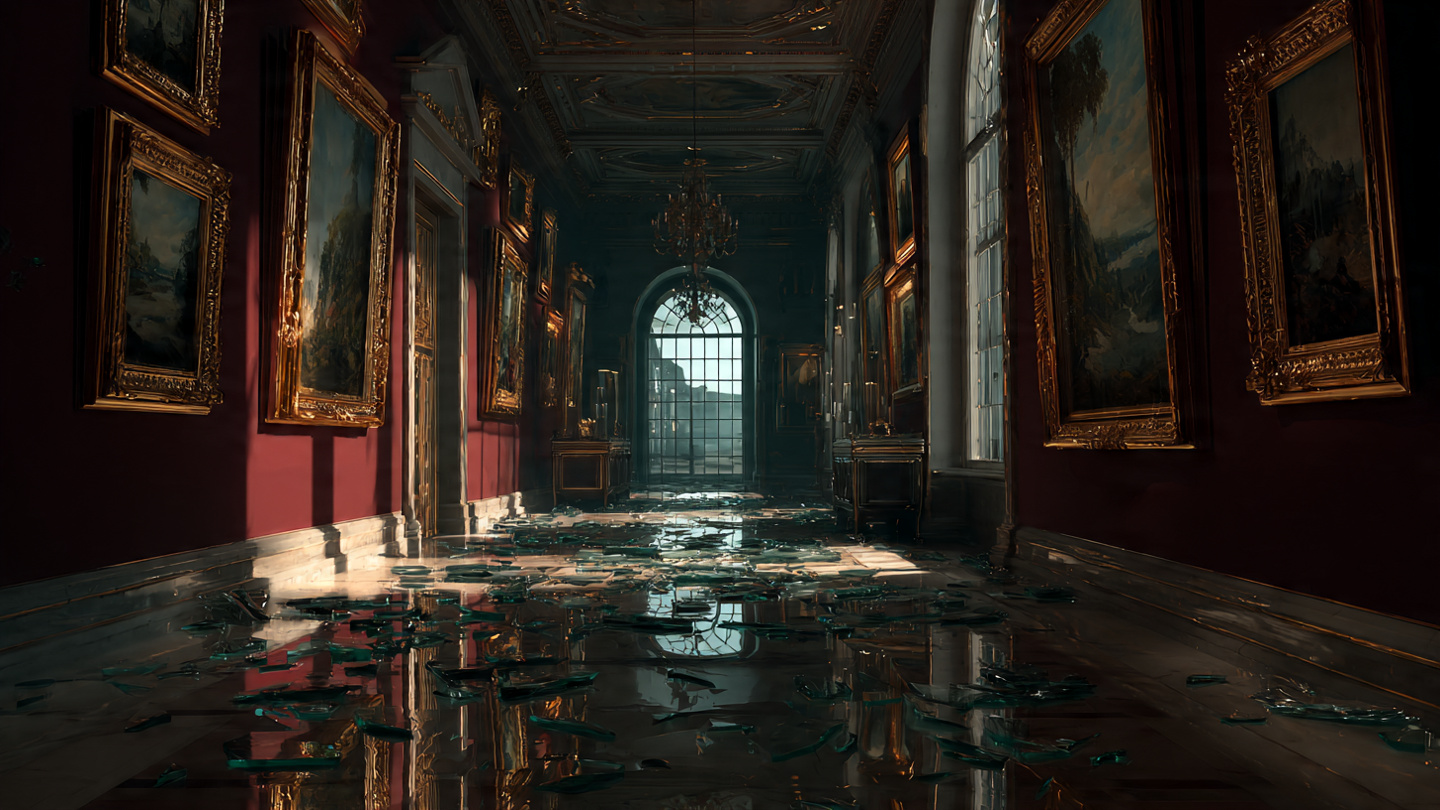
For many readers, the immediate question is simple: how can paintings disappear so quickly from a museum? The answer usually lies in a combination of planning, speed, and selective targeting. Criminals do not need to understand every room in a museum. They only need to understand the route, the object, and the exit.
Likely Elements of a Fast Museum Break-In
- Advance surveillance: observing staff routines, visitor flow, and building weak points
- Preselected targets: entering with a shortlist instead of deciding on-site
- Rapid extraction: removing only portable, high-value works
- Exit coordination: using timing to minimize confrontation and delay response
- Security gap exploitation: identifying moments when alarms, cameras, or staffing are least effective
In practical terms, think of how any organized operation works: the less improvisation required, the faster the execution. If thieves already know where the paintings hang, how they are mounted, and which route leads out most quickly, three minutes may be enough. It is a sobering thought, especially for smaller institutions that may not have the layered security resources of major national museums.
This is one reason security professionals increasingly stress scenario planning. It is not enough to have alarms. Staff must know what happens if multiple systems are tested at once. Doors, cameras, response times, inventory protocols, and police coordination all matter. A museum is not just protecting objects; it is protecting time.
The Global Problem of Stolen Paintings
This incident in Italy fits into a broader international pattern. Stolen paintings continue to fascinate the public because they combine glamour, criminal strategy, and mystery. Yet the reality is less cinematic than many imagine. Famous works are often too recognizable to sell openly. That creates a paradox: the more famous the art, the harder it is to move legitimately.
So why steal it at all? In some cases, stolen art becomes collateral in criminal negotiations. In others, thieves may expect to move works through covert channels, private intermediaries, or transnational networks. Sometimes paintings are stolen on commission. In other cases, the theft itself is opportunistic, while the resale plan remains uncertain. Either way, recovery can be difficult, especially once the works cross borders or disappear into illicit storage.
Why Famous Art Is Still a Target
- Instant value concentration: a small canvas can represent enormous wealth
- Portability: paintings are often easier to transport than large sculptures or installations
- Prestige: high-profile thefts attract attention and can signal criminal sophistication
- Underground utility: art may function as leverage in illegal networks
- Security variation: not all museums have equal protection standards
There is also a deeper psychological aspect. Art theft often appeals to people because it feels like crime invading a sacred space. Banks hold money; museums hold meaning. That difference changes public reaction. A robbery shocks. A museum theft wounds.
What This Heist Reveals About Museum Security
The theft near Parma is certain to renew debate about how museums, foundations, and galleries secure their collections. Security is never just about barriers. It is a layered discipline involving architecture, staffing, technology, response protocols, insurance, and collection management. One weakness can undermine the rest.
Key Lessons for Museums and Cultural Institutions
First, response time matters as much as prevention. A system that detects intrusion but cannot trigger meaningful intervention quickly may still fail. Second, object-level protection is essential. If a painting can be detached and removed with minimal resistance, the broader security envelope becomes less useful. Third, training and drills are non-negotiable. Technology helps, but people remain central.
A practical example from risk management applies here: many institutions focus heavily on after-hours intrusion, yet transition periods can be equally vulnerable. Opening procedures, closing routines, special events, and exhibition changes often create moments when normal rhythms are disrupted. Smart criminals look for those moments.
Museums also face a difficult balancing act. They are public-facing institutions built around access, welcome, and visibility. Turning them into fortresses can undermine their mission. The challenge is creating an environment that feels inviting to visitors and intimidating to thieves. That requires investment, not only in hardware but in integrated thinking.
The Human Cost of Cultural Theft
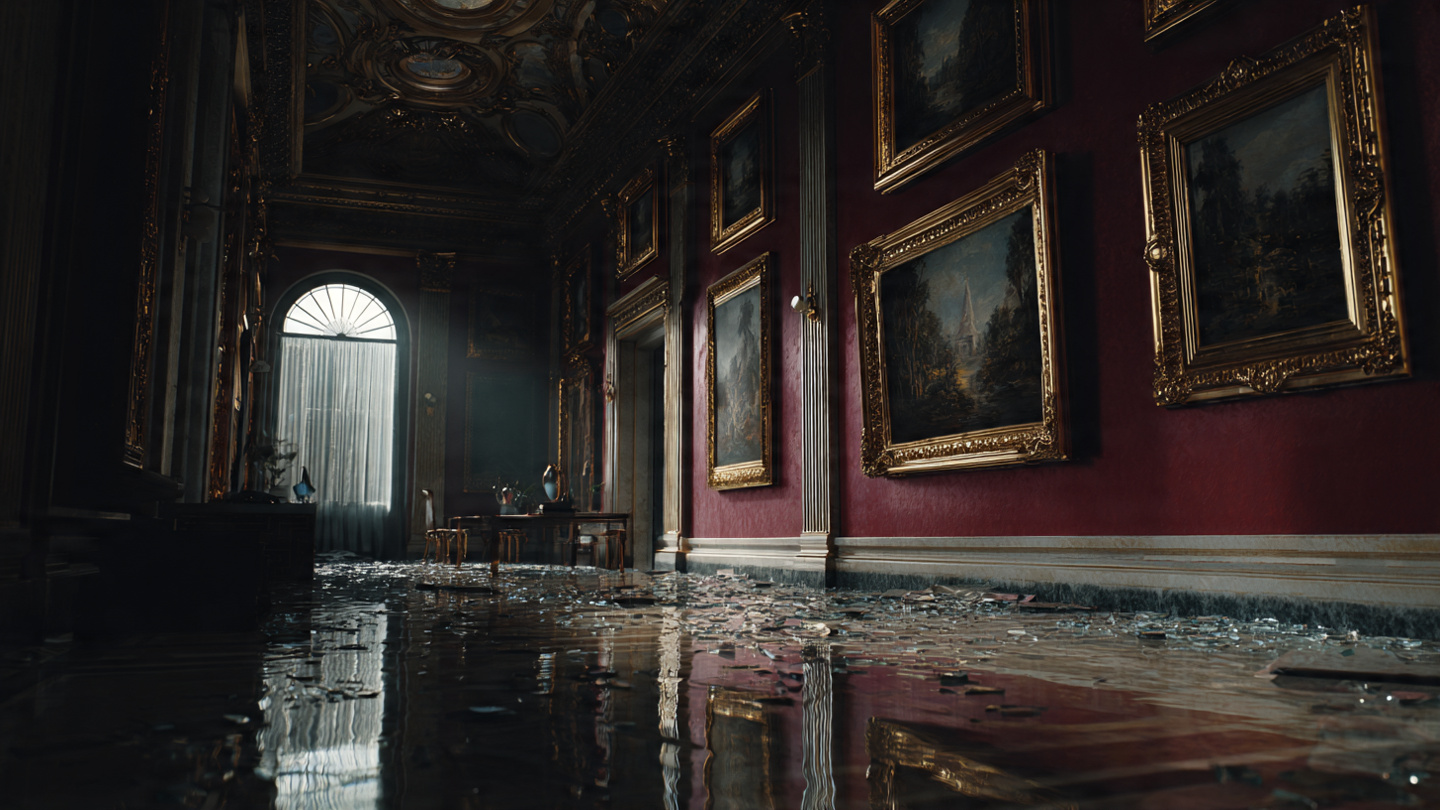
It is easy to talk about the price tag and forget the human dimension. Museum theft affects curators, conservators, local communities, educators, donors, and ordinary visitors. For staff, such incidents can feel deeply personal. Many spend years caring for works of art, researching them, preserving them, and helping the public connect with them. A theft can shatter that relationship overnight.
Visitors experience loss differently but no less genuinely. People remember where they first saw a painting that moved them. A museum visit may mark a honeymoon, a school trip, a family vacation, or a quiet afternoon alone. When masterpieces vanish, those future experiences disappear too. This is why the phrase cultural heritage crime matters. It captures the fact that art theft harms both institutions and memory.
As someone who believes museums should remain living spaces rather than silent vaults, I find these stories especially painful because they force institutions into defensive postures. Every major theft increases pressure for stricter controls. Sometimes that is necessary. But it also reminds us how fragile public access to beauty can be.
Will the Stolen Paintings Be Recovered?
Recovery is always possible, but the odds depend on speed, coordination, and the choices made by the thieves after the crime. In major museum heist investigations, police typically move fast to circulate descriptions, monitor transport routes, alert border agencies, and engage specialized art crime units. Publicity can help because famous works are harder to conceal or sell once their disappearance becomes widely known.
However, recovery is not guaranteed. Some works surface years later. Others remain missing for decades. The timeline often depends on whether the paintings were stolen for immediate resale, criminal leverage, or private concealment. In any scenario, documentation becomes critical: provenance records, high-resolution images, condition reports, and frame details all strengthen the search.
Factors That Influence Recovery Chances
- How quickly authorities identify and publicize the missing works
- Whether the thieves already had a destination or buyer in mind
- International cooperation between law enforcement and art crime experts
- The recognizability of the paintings and the artists involved
- The quality of museum records and object documentation
One hopeful point is this: masterpieces by famous artists are difficult to transform into normal commodities. Their visibility can become a burden to criminals. While that does not erase the loss, it can improve the chances that the works eventually reappear.
Why This Story Resonates Far Beyond Italy
The theft at the Magnani-Rocca Foundation is not just an Italian story. It speaks to a universal concern: how societies protect what they value most. Art is often discussed as a luxury, yet moments like this reveal its deeper status. Masterpieces are markers of identity, continuity, and shared inheritance. When they are taken, people respond as if something larger than an object has gone missing, because something larger has.
There is also a reason these stories spread so quickly online. They combine urgency, beauty, and danger. Readers are drawn to the contrast between serene paintings and calculated criminal action. But beyond the drama lies a serious issue. Cultural institutions need sustainable support, serious security planning, and public understanding that preservation is not passive. It is active work.
If there is one lesson worth holding onto, it is that museums should never be valued only after loss. The best time to care about art security is before a wall goes empty.
Conclusion: A Fast Theft, A Lasting Warning
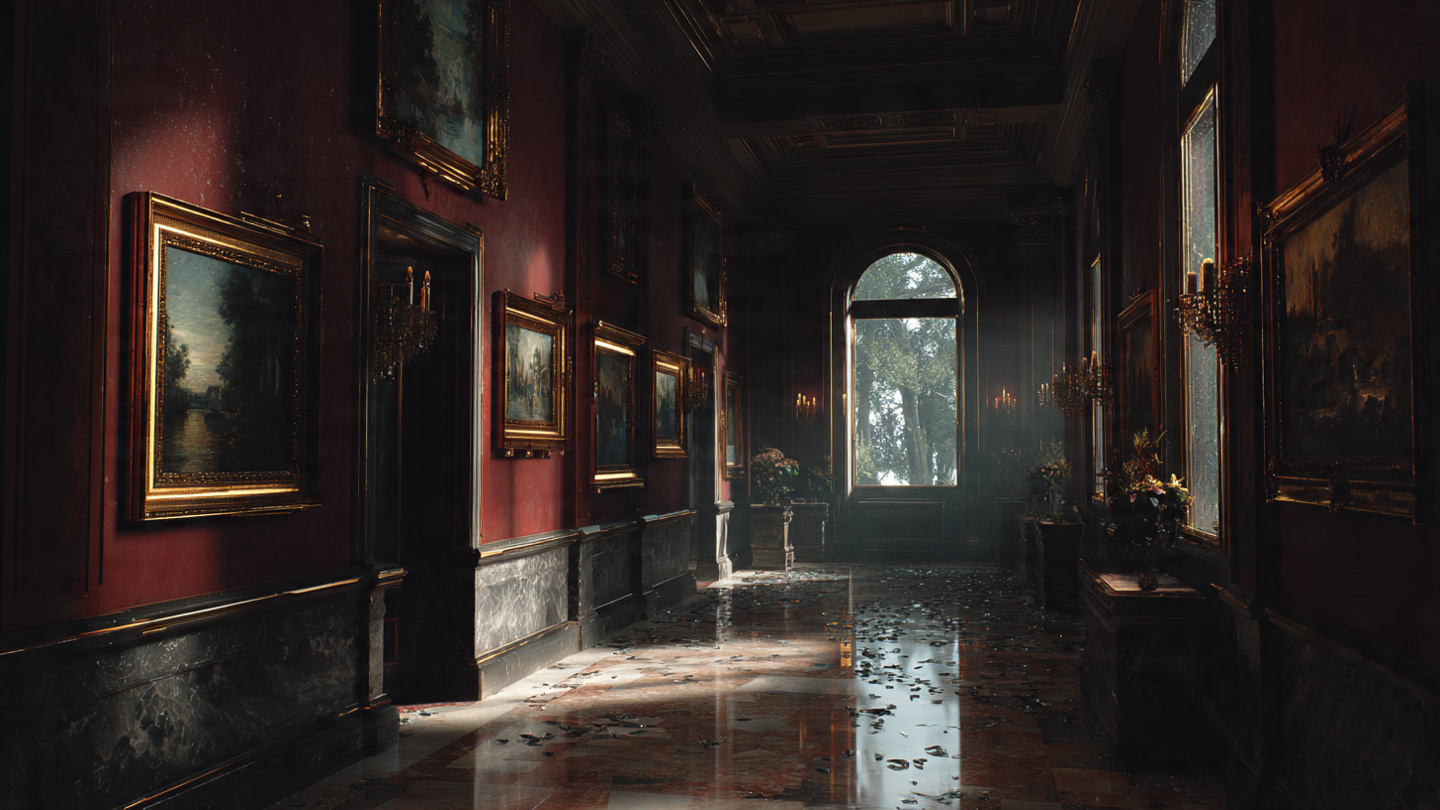
The reported theft of paintings tied to Renoir, Cezanne, and Matisse in a matter of minutes is more than a sensational crime story. It is a warning about how exposed cultural treasures can be, even inside respected institutions. The incident underscores the enduring appeal of stolen paintings to organized criminals, the vulnerabilities that can exist within museum security systems, and the wider emotional cost of losing access to great art.
For readers, collectors, museum supporters, and cultural institutions alike, this case should sharpen a vital conversation: how do we keep art public, visible, and secure at the same time? That challenge will not disappear. But awareness matters, investment matters, and public attention matters too.
If you care about protecting cultural heritage, support the museums and foundations that preserve it, follow developments in major art theft cases, and advocate for stronger safeguards around public collections. Great art connects generations. Keeping it safe is a responsibility worth sharing.


