There is a particular kind of guilt that hits the moment you close the front door and hear your cat meow from the other side. Cat owners know the feeling well. We love the independence of cats, but we also know that many indoor cats crave stimulation, routine, and connection. That is exactly why a remote-controlled cat toy with a built-in pet camera has become one of the most interesting upgrades in modern pet care.
At first glance, it may seem like just another smart gadget. Spend a little time with one, though, and its appeal becomes obvious. You can check in on your cat while you are at work, move the toy remotely to spark a chase session, and give your pet a more active and engaging day even when you are not physically home. For cats that pace, nap excessively out of boredom, or wait by the door for hours, that added interaction can make a surprisingly real difference.
As someone who has lived with a cat that treats every unattended object like a potential game, I understand how valuable the right kind of enrichment can be. Some toys hold a cat's attention for five minutes. Others become part of the daily routine. A pet camera toy that combines movement, unpredictability, and remote access stands out because it solves two problems at once: it keeps your cat entertained, and it gives you peace of mind.
If you have been considering a smarter way to reduce feline boredom, this is the kind of device worth a close look. Below, we will break down why these toys are getting so much attention, what features matter most, and whether the current sale pricing makes now a smart time to buy.
Why Cats Need More Stimulation Than Many Owners Realize
Cats may sleep for much of the day, but that does not mean they are naturally content doing nothing. In fact, many indoor cats struggle with under-stimulation. Without enough physical activity and mental engagement, they can become destructive, anxious, vocal, or withdrawn.
That problem is especially common in single-cat households, apartments, and homes where people are away for long stretches. Traditional toys help, but they often rely on your cat being in the mood to self-entertain. A remote-controlled interactive cat toy changes the dynamic by reintroducing novelty and live engagement.
Common signs your cat may be bored
- Excessive sleeping outside normal rest patterns
- Nighttime zoomies that feel more frantic than playful
- Scratching furniture despite having scratching posts
- Overeating or begging for food as a substitute for stimulation
- Following you constantly or vocalizing when left alone
- Loss of interest in standard toys after a few days
When owners hear the term cat enrichment, they often think of climbing trees, puzzle feeders, or windowsills. Those are all useful, but interactive pet tech offers something different: responsive play. Instead of waiting for your cat to decide whether a toy is interesting, you can create movement patterns that trigger their hunting instincts in real time.
What Makes a Remote-Controlled Cat Toy Different?
The big advantage of a remote-controlled toy is that it blends entertainment with supervision. This is not just a motorized gadget scooting around the floor on its own. The best versions pair mobile play with a camera, app controls, and in some cases two-way audio. That means you are not only activating a toy. You are participating in the experience.
For many pet owners, the real breakthrough is the ability to check in during the middle of the day and instantly see what their cat is doing. Is your cat sleeping peacefully? Hiding under the bed? Sitting by the food bowl? Batting the toy across the living room? The answer matters, especially if you are trying to understand your pet's behavior while you are away.
From an engagement standpoint, unpredictability is everything. Cats are hunters. They respond to darting movement, pauses, sudden changes in direction, and the sensation that something might get away. A remote-controlled toy lets you mimic that behavior far better than a stationary object ever could.
Key advantages of a pet camera toy
- Real-time interaction: You can play with your cat from almost anywhere
- Built-in monitoring: A camera lets you keep an eye on mood, movement, and routine
- Mental stimulation: Novel movement patterns hold attention longer than static toys
- Exercise support: Chasing and pouncing help indoor cats stay active
- Reduced loneliness: Your cat gets a sense of engagement during quiet hours
- Owner reassurance: You know your pet is safe and occupied
That combination explains why this category has quickly become one of the most compelling areas in smart pet products. It sits at the intersection of convenience, emotional connection, and practical everyday care.
Why the Camera Feature Matters More Than You Think
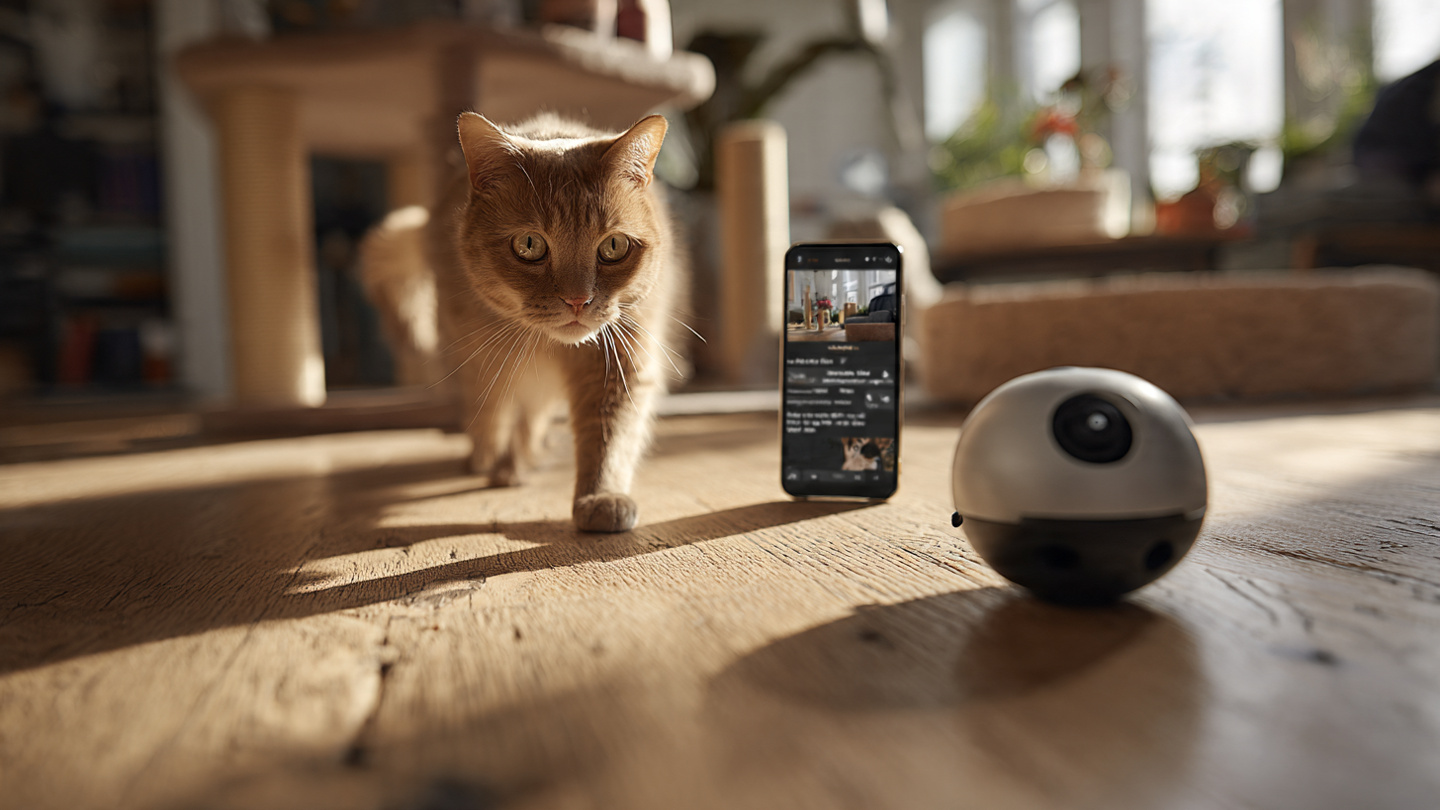
Plenty of cat toys move. What makes this type of product especially useful is the camera. A standard automatic toy can keep your cat busy, but you are still guessing whether it works, whether your cat uses it, and whether it actually improves your pet's day. A camera removes the guesswork.
You can observe behavior patterns that are easy to miss otherwise. Maybe your cat ignores toys in the morning but becomes highly active around noon. Maybe they are more responsive to slow movement and stalking games than fast chases. Maybe they lose interest quickly unless you pause between motions. Watching these details helps you tailor play sessions more effectively.
There is also a comfort factor that should not be underestimated. Pet parents worry. We worry when our cats skip a meal, hide longer than usual, or seem off. Being able to open an app and immediately check on your cat offers a level of reassurance that standard toys simply cannot provide.
Practical uses beyond playtime
- Monitor shy or newly adopted cats adjusting to the home
- Check on older cats that may have mobility changes
- Observe eating, resting, and litter box-adjacent habits indirectly
- Interrupt destructive behavior with movement or sound
- Stay connected during long workdays or short trips
For busy households, that makes a pet camera for cats feel less like a novelty item and more like part of a complete care routine.
How It Helps With Separation Boredom and Mild Loneliness
Cats are often described as aloof, but many form strong attachments to their people. Some are perfectly content alone for hours. Others visibly react when the house empties out. They may sit near the door, sleep excessively, or become more clingy as soon as you return.
A remote-controlled toy does not replace human presence, but it can soften the downtime. That matters because even brief periods of interaction can reset a cat's energy and mood. A five-minute chase session in the middle of the afternoon may be enough to break up a long stretch of inactivity and keep your cat from spiraling into boredom.
Personally, I have noticed that cats tend to respond best when play feels spontaneous. If the toy rolls into view, pauses under a chair, then darts away just as they approach, it taps directly into their predatory curiosity. The built-in camera lets you see whether your cat is engaged, cautious, or ready for a more active round. That kind of feedback is what makes the toy genuinely useful rather than gimmicky.
For households with one cat, the effect can be especially helpful. Solo cats often rely more heavily on environmental stimulation. When there is no sibling to wrestle or stalk, interactive devices can fill part of that gap.
Features to Look For Before You Buy
Not every interactive pet gadget is worth the money. Some have weak battery life, poor controls, or a design that works better in marketing photos than on actual floors. If you are shopping during a seasonal sale, it is tempting to focus only on the discount. A better strategy is to look at how well the product fits your cat's habits and your home setup.
The most important buying criteria
- Responsive app controls: Lag ruins the play experience, so smooth remote operation matters
- Clear camera quality: You need enough resolution to actually monitor your cat's behavior
- Quiet movement: Loud motors can scare cautious cats
- Durable wheels or chassis: The toy should handle rugs, wood, and minor obstacles
- Battery life: Short battery cycles make the device frustrating to use regularly
- Safe materials: Surfaces and attachments should be pet-safe and easy to clean
- Size and speed options: Smaller, adjustable designs usually work better for cats than bulky units
It is also smart to think about your cat's personality. A bold, high-energy cat may love quick movement and frequent sessions. A timid cat might need slower introductions, quieter motors, and shorter bursts of play before building confidence.
Is a Sale the Right Time to Buy?
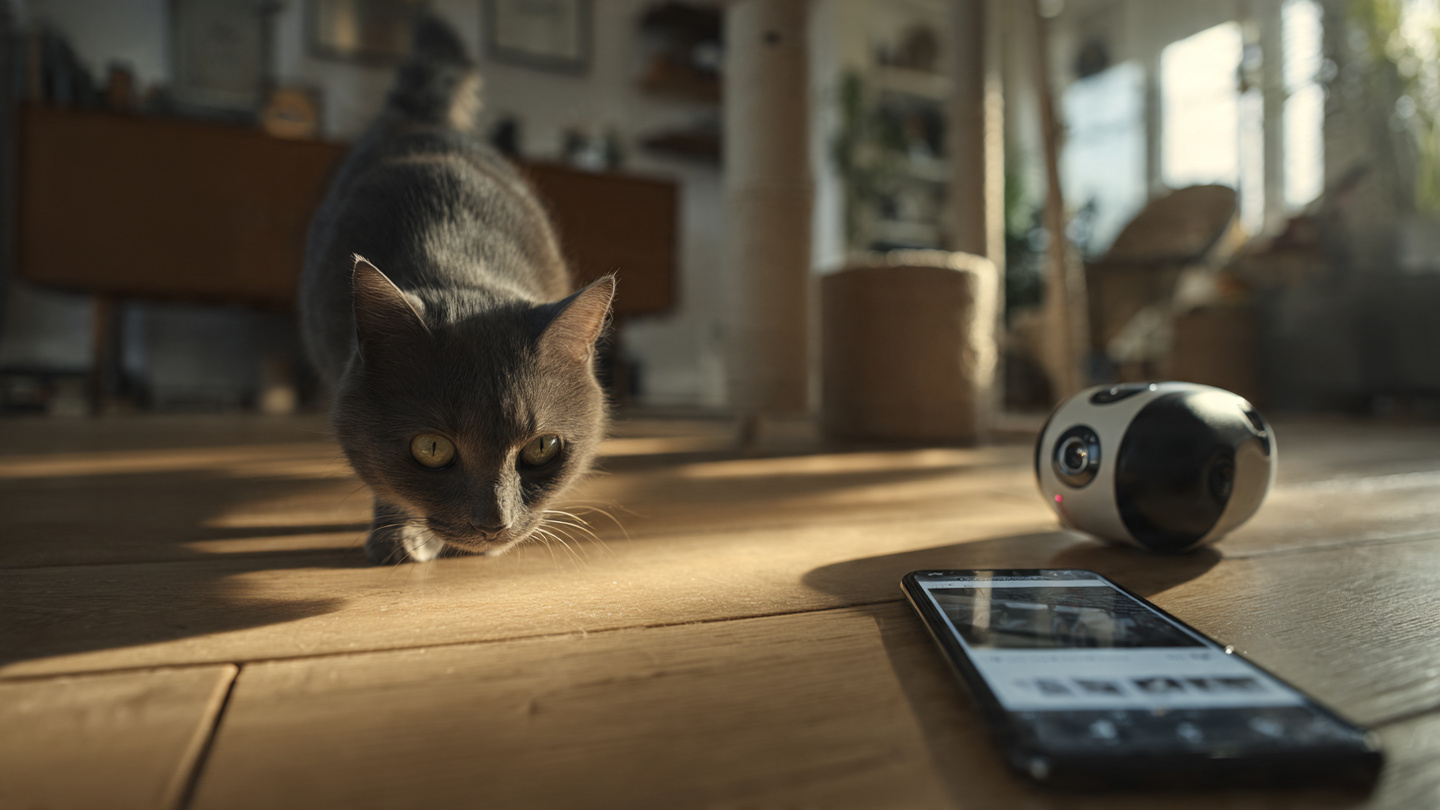
Seasonal promotions can make premium pet tech much easier to justify. A 15% discount may not sound massive at first, but on a higher-end gadget, it can be enough to move the purchase from “maybe later” to “worth trying now.” The more important question is whether the product solves an actual need in your home.
If your cat already has plenty of enrichment, a secure routine, and no signs of boredom, this type of toy may be a nice extra rather than a must-have. But if you regularly feel guilty leaving your cat alone, wonder what they do all day, or wish you had a more engaging way to interact remotely, the value becomes clearer.
Pet products are easiest to appreciate when they reduce friction in daily life. This one can do that in several ways. It gives you a quick check-in tool, an easy boredom buster, and a more dynamic alternative to tossing random toys on the floor before you head out. If you have been waiting for a price drop to test the category, sale events are usually the best window.
When the purchase makes the most sense
- You work long hours away from home
- Your cat is indoor-only and needs more exercise
- You want a better way to monitor behavior while away
- Your cat loses interest in ordinary toys quickly
- You travel often for day trips or extended errands
How to Introduce the Toy So Your Cat Actually Uses It
Even the best interactive cat toy can flop if introduced too aggressively. Cats like control, familiarity, and gradual exposure. Rolling a noisy gadget directly toward your pet on day one is a good way to send them under the couch.
Start slowly. Let the toy sit still so your cat can sniff it. Run it briefly at a distance. Use slower movement settings if available. The goal is to spark curiosity before you expect a chase response. Once your cat seems interested, keep the first play sessions short and rewarding.
It also helps to use the toy at the right times of day. Most cats are naturally more playful during dawn and dusk energy windows, but many will also respond well to a midday break when the house feels quiet and uneventful.
Simple tips for better results
- Introduce the toy in a familiar room with open floor space
- Keep early sessions under five minutes
- Use stop-and-go movement to mimic prey behavior
- Rotate the toy with other enrichment tools so it stays novel
- Reward curiosity with praise or a small treat afterward
If your cat is skeptical at first, do not assume the toy is a failure. Many cats need repetition before a new object becomes part of their routine.
The Bigger Picture: Smart Pet Tech That Supports Better Care
The popularity of connected pet devices reflects a broader shift in how people think about animal care. Owners are no longer just buying food bowls and scratching posts. They are investing in products that support behavior, emotional well-being, and routine management. In that context, a remote-controlled toy with a camera fits naturally into the larger movement toward more attentive, informed pet parenting.
That does not mean every home needs every gadget. It does mean that the best smart pet products earn their place by offering clear utility. This category does that well. It combines entertainment, monitoring, and interaction in a way that feels practical rather than excessive.
For cat owners especially, where boredom can be subtle and emotional changes are not always obvious, having a tool that makes hidden parts of the day more visible can be incredibly helpful. You are not just buying a toy. You are creating more opportunities to understand your cat.
Conclusion: A Smart Buy for Cats That Need More Engagement
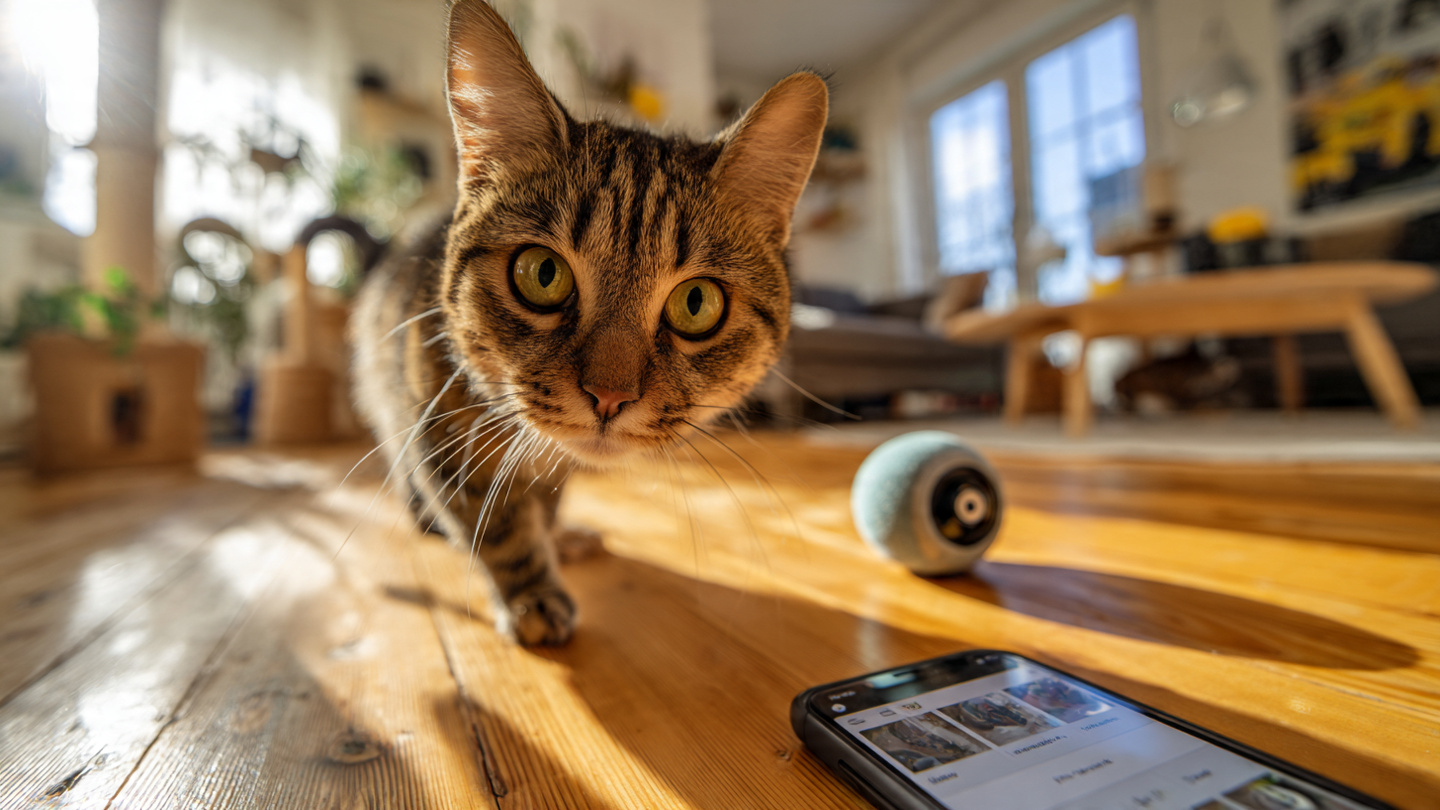
A remote-controlled cat toy with a pet camera is one of those rare pet products that feels both fun and functional. It encourages movement, supports cat enrichment, eases some of the stress of leaving home, and helps you stay connected to your pet in a more meaningful way. For indoor cats, solo cats, or pets that seem restless during long quiet stretches, it can be a genuinely useful addition.
And if it is currently discounted during a major seasonal sale, the timing is even better. A price break will not matter if the product is not useful, but when a device solves a real problem and comes down in cost, that is when smart shopping and smart pet care overlap.
If your cat needs more stimulation and you want more visibility into their day, this is a category worth exploring now. Compare features, think about your cat's personality, and choose a model that balances strong controls, clear video, and safe, cat-friendly design. A little more interaction during the day can lead to a calmer, happier cat by the time you get home.
Ready to upgrade your pet's routine? Take a close look at the current deals, prioritize the features that matter most, and invest in a toy that does more than entertain. The right pet camera toy can turn time apart into a more active, connected experience for both of you.


