There is something magnetic about a photograph that feels a little imperfect. A soft light leak in the corner, grain dancing across a portrait, colors that drift warmer than reality, or the slight blur of a moment caught before anyone could pose. In an age where nearly every phone can produce a technically sharp image in seconds, retro photography feels fresh precisely because it is not trying to be flawless.
I have always found that old-school images hold attention longer. They do not just document a scene; they create a mood. A snapshot from an instant camera or a compact point-and-shoot can make an ordinary coffee shop, family gathering, or street corner feel cinematic. That emotional pull helps explain why film photography, instant cameras, and vintage-style digital shooting are all making a strong comeback.
This renewed interest is not just nostalgia for nostalgia’s sake. People are craving a slower, more intentional way to take pictures. They want photos that feel personal, tactile, and alive. Whether you are curious about a thrift-store 35mm camera, tempted by a Polaroid, or simply want to create a classic look with gear you already own, now is an excellent time to get started.
In this guide, you will learn why retro photography is trending again, what makes the aesthetic so appealing, what gear beginners should consider, and how to build a style that feels authentic rather than forced.
Why Retro Photography Feels Relevant Again
The return of retro photography is closely tied to how people experience images today. We live in a visually saturated world. Every day brings thousands of polished selfies, ultra-clean travel shots, and algorithm-friendly edits. In that environment, images with texture and unpredictability stand out.
Vintage photography offers something digital perfection often lacks: atmosphere. Film grain, softer focus, color shifts, and natural contrast add character that many viewers find more emotionally compelling than sterile precision. Instead of looking mass-produced, retro images feel singular.
There is also a cultural factor. Fashion, music, interior design, and even product branding have all embraced throwback aesthetics. Cameras fit naturally into that broader movement. Younger photographers who never used film the first time around are discovering it with the same excitement vinyl lovers bring to records. For older shooters, it reconnects them with a tactile creative process they may have missed.
- Intentionality: Limited exposures make each frame feel more valuable.
- Surprise: You cannot always predict how film, flash, or old lenses will render a scene.
- Tactile appeal: Prints, negatives, and instant photos feel like objects worth keeping.
- Emotional tone: Grain, color cast, and softness can make moments feel more intimate.
- Visual differentiation: Retro images stand out on social platforms filled with clean digital content.
What Counts as Retro Photography Today?
Retro photography is broader than many people realize. It is not limited to one camera type or one decade of style. In practical terms, it includes several overlapping approaches.
Film Cameras
This is the most traditional path. A 35mm film camera, disposable camera, or medium format camera produces the classic qualities most people associate with the retro look: grain, softness, dynamic color response, and a sense of unpredictability. Film photography asks you to slow down, think before clicking, and accept the beauty of waiting.
Instant Cameras
Instant cameras deliver one of the purest forms of creative excitement. You take the shot, watch the image develop, and hold the result in your hand. That physical experience is part of the appeal. It turns a photo into a keepsake on the spot, making it especially popular for parties, travel, journaling, and gifts.
Point-and-Shoot Cameras
The humble point-and-shoot deserves far more respect than it usually gets. Compact cameras from the 1990s and early 2000s are back because they are portable, fast, and surprisingly stylish in the way they render flash, skin tones, and night scenes. They are often the easiest gateway into retro photography for beginners.
Vintage-Inspired Digital Photography
You do not need film to create a retro sensibility. Many photographers use digital cameras and edit with restraint to emulate older aesthetics. The key difference is mindset: instead of over-processing images, they lean into muted colors, natural blur, direct flash, candid framing, and imperfection.
The Real Appeal: Why People Love the Retro Look
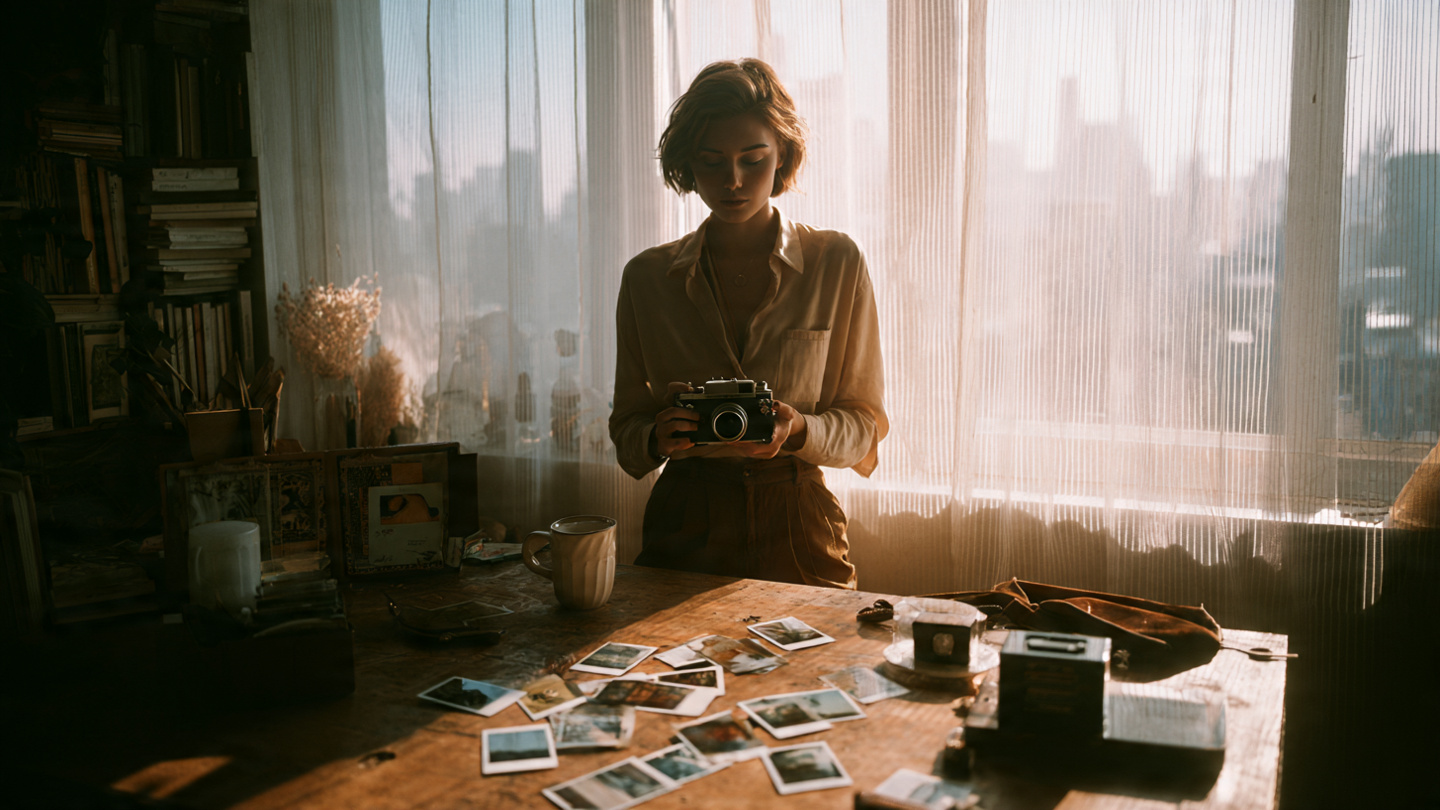
At its best, retro photography does more than imitate the past. It changes how you see the present. A grocery run, bus ride, rainy window, or dinner table can suddenly feel meaningful when photographed with intention and warmth. That is a huge part of the movement’s power.
One reason this style resonates so deeply is that it creates memory before memory even settles. A retro image often feels nostalgic instantly, even if it was taken five minutes ago. That quality is incredibly powerful for storytelling, personal archives, travel diaries, and social sharing.
I have noticed that people behave differently around older cameras too. When a phone comes out, most people stiffen or perform for the lens. When a compact film camera or instant camera appears, they often relax. The interaction feels more playful and less transactional. That difference can lead to more genuine expressions and better candid portraits.
- It feels human: Slight flaws make images more believable and emotionally rich.
- It tells stories: Retro tones can transform everyday scenes into visual narratives.
- It slows you down: Fewer shots often lead to better composition and stronger choices.
- It makes memories tangible: Prints and instant photos become physical artifacts.
How to Get Started With Retro Photography
The good news is that entering this world does not have to be expensive or intimidating. You can start small, learn quickly, and decide later whether you want to go deeper.
1. Choose Your Starting Point
Think about what excites you most. If you love physical keepsakes and social moments, start with an instant camera. If you want the full traditional experience, try a simple 35mm film camera. If you value convenience and low pressure, a vintage point-and-shoot is often the smartest first step.
Beginners do well when they avoid overcomplicating the first purchase. You do not need rare collector gear. You need a reliable camera you are willing to carry and use often.
- Best for simplicity: Point-and-shoot film camera
- Best for fun and sharing: Instant camera
- Best for learning technique: Basic 35mm manual camera
- Best for low-cost experimentation: Digital camera with vintage-style editing
2. Learn One Film Stock or One Visual Look at a Time
Many beginners make the mistake of chasing too many aesthetics at once. Instead, pick one look and study it. Maybe you love warm skin tones, strong flash, faded daytime colors, or black-and-white street scenes. Build consistency before expanding.
If you shoot film, stick with one or two stocks at first so you can understand how they respond to light. If you shoot digital, create one editing approach and refine it gradually rather than applying random heavy filters to every frame.
3. Focus on Light More Than Gear
Retro photography is often sold through gear obsession, but great images usually come from light and timing. Morning window light, late-afternoon sun, neon signs, and direct flash all create retro-friendly moods. Learn to notice how shadows fall and how colors shift in different conditions.
For example, a cheap point-and-shoot at sunset can produce more memorable results than an expensive camera used under flat midday light. That is liberating for beginners because it means creativity matters more than cost.
4. Embrace Imperfection Without Faking It
This point matters. The charm of retro photography comes from authentic imperfections, not sloppy habits. A light leak, motion blur, or off-center frame can be beautiful when it supports the mood. But if every image is underexposed or unclear, the effect stops feeling intentional.
Think of retro style as a balance between control and surprise. You guide the scene, then leave room for the medium to add personality.
Best Subjects for Retro Photography
Almost any subject can work, but some scenes naturally suit the aesthetic better than others. If you are unsure where to begin, start with situations that already carry emotion, texture, or atmosphere.
Portraits and Friend Groups
Retro photography shines when photographing people. Direct flash at night, casual poses, and spontaneous expressions all translate beautifully. House parties, beach days, birthday dinners, and road trips are ideal.
Street Scenes
Urban environments offer reflections, signage, motion, and layered backgrounds that pair perfectly with grain and vintage color palettes. Bus stops, diners, corner stores, and rainy sidewalks often look especially strong.
Travel and Everyday Life
One of the best uses of retro photography is documenting ordinary life in a way that feels extraordinary. Train tickets, hotel lamps, breakfast tables, open suitcases, and late-night walks can become deeply evocative images.
Objects With Texture
Books, old furniture, records, flowers, handwritten notes, and kitchen details all respond well to softer rendering. If you enjoy still life photography, retro techniques can add mood without much effort.
- Great beginner subjects: friends, cafes, street corners, windows, travel details
- Great lighting situations: golden hour, indoor tungsten light, neon, on-camera flash
- Great mood builders: rain, haze, reflections, clutter, aged surfaces
Common Mistakes Beginners Should Avoid
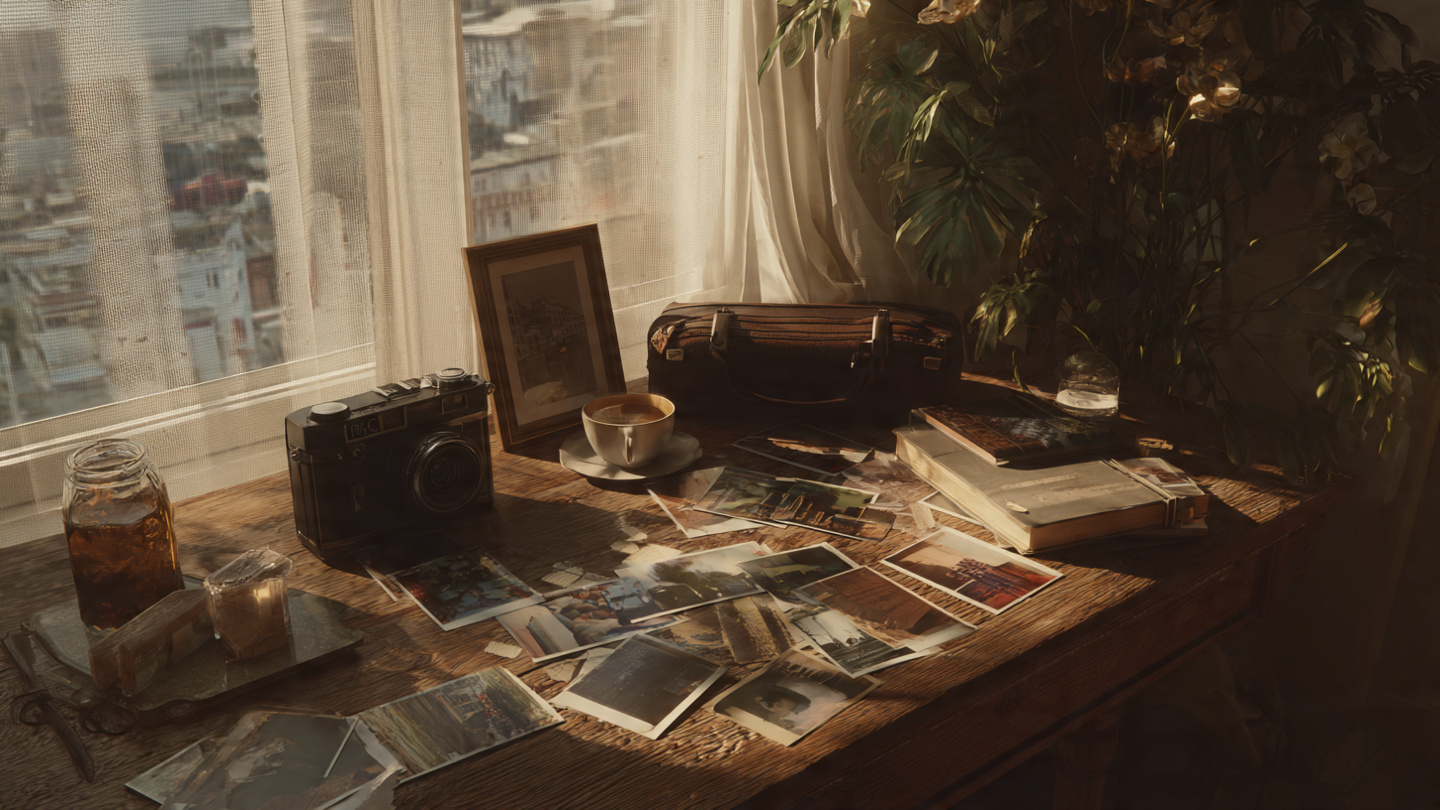
Like any creative trend, retro photography can become gimmicky if approached without intention. A few small adjustments can save you time, money, and disappointment.
Buying Trendy Gear Before Building Taste
It is easy to spend too much on cameras that look cool online. Instead, train your eye first. Study images you love. Figure out whether you are drawn to punchy flash, muted tones, black and white, or dreamy daylight. Taste should guide the gear, not the other way around.
Expecting Every Frame to Be Perfect
Film and older cameras come with variability. That is part of the magic. If you need total consistency, digital may suit you better. But if you can accept a few misses, the successful frames often feel more rewarding.
Overediting Digital Photos
A retro aesthetic should not mean crushing quality under heavy filters. The best vintage-inspired edits are subtle. Lower the sharpness slightly, keep color believable, preserve skin tone, and avoid making every image look artificially faded.
Ignoring Storage and Care
Film, prints, and old cameras need basic care. Store film properly, keep batteries fresh, and protect cameras from moisture and impact. Good habits help older equipment last much longer.
How to Develop Your Own Retro Style
The most compelling retro photography does not look copied from a trend board. It feels personal. That means paying attention to what subjects, colors, and moods genuinely resonate with you.
One useful exercise is to create a mini project rather than taking random shots. Photograph your neighborhood for a month. Document your summer weekends. Capture family rituals, local shops, or late-night city walks. Projects naturally build consistency and help you recognize your preferences.
You can also mix eras instead of trying to imitate one exactly. Maybe you like the warmth of 1970s prints, the direct flash energy of 1990s snapshots, and modern minimal composition. Those influences can coexist. The goal is not historical purity. The goal is emotional honesty.
If I had to give one piece of advice, it would be this: carry your camera often and shoot what you actually care about. Retro photography works best when the subject matters to you. The camera adds character, but meaning comes from attention.
Why This Trend Has Staying Power
Some visual trends burn bright and disappear quickly. Retro photography feels different because it speaks to deeper needs: slowing down, preserving memory, creating tangible objects, and escaping algorithmic sameness. Those desires are not going away.
As digital life becomes faster and more optimized, the appeal of photography that feels slower and more tactile is likely to grow. Even people who never become dedicated film shooters are adopting elements of the retro mindset. They are printing more photos, embracing candid images, and valuing mood over perfection.
That is why this movement matters. It is not only about old cameras. It is about reconnecting photography with feeling.
Conclusion
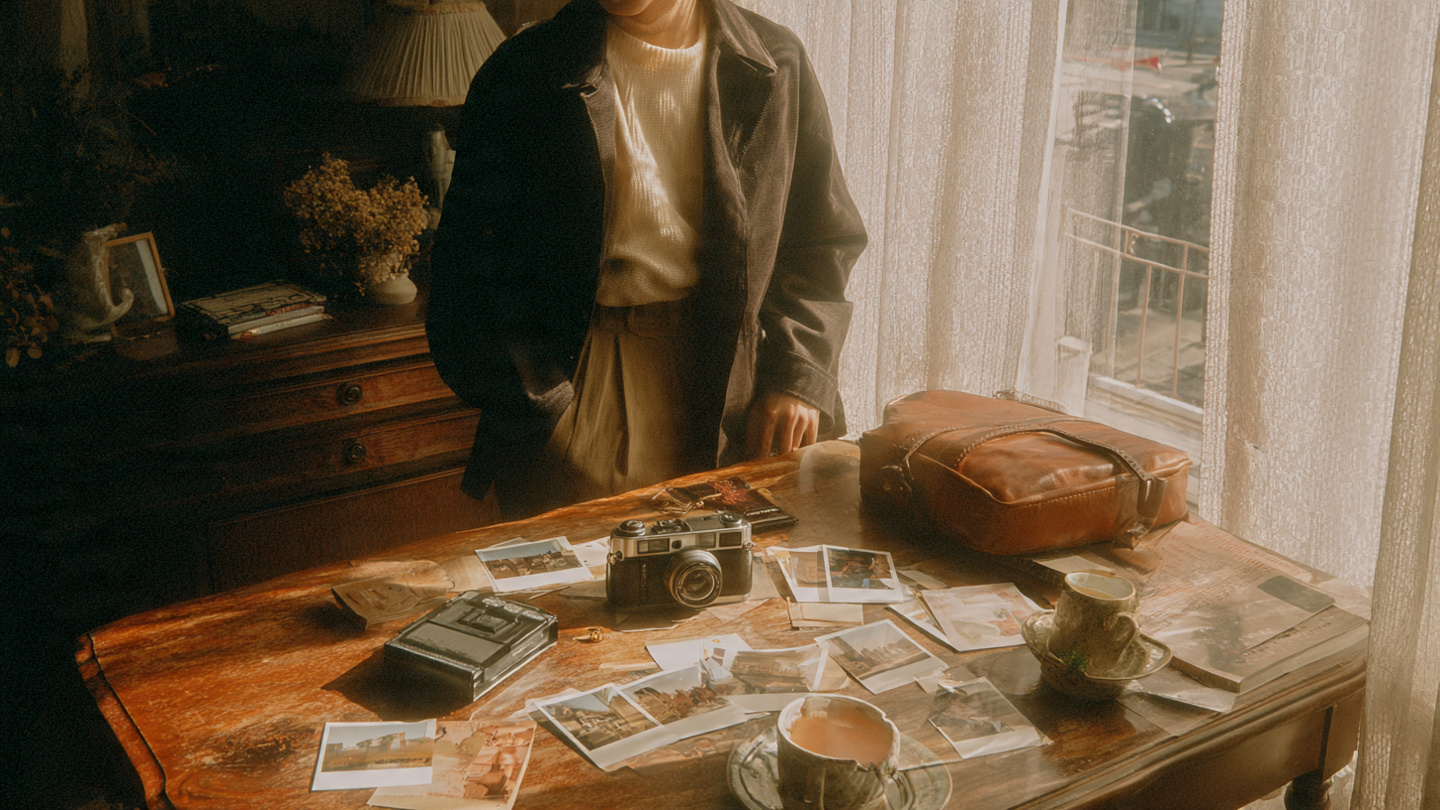
Retro photography is back because it offers what many modern images are missing: texture, patience, surprise, and soul. Whether you choose a film camera, an instant camera, a point-and-shoot, or a digital setup with a vintage eye, the real reward is learning to notice moments more carefully.
You do not need expensive gear or expert knowledge to begin. Start with one camera, one visual direction, and a willingness to experiment. Photograph your friends, your routines, your city, your quiet afternoons. Let a little imperfection in. You may discover that the photos you love most are not the cleanest ones, but the ones that feel the most alive.
If you have been curious about film photography or the retro aesthetic, this is your sign to try it. Pick up a camera, shoot a roll, print a few frames, and build a visual archive that feels unmistakably yours. The best way to understand the comeback is to experience it for yourself.
Ready to start? Choose one camera this week, take it everywhere, and commit to capturing 20 everyday moments with intention. That simple challenge can change the way you see photography forever.


