Some people light up at the thought of mac and cheese, onion rings, corn dogs, and milkshakes. Others would rather skip straight past spray cheese, canned meat, sugary cereal, or anything wrapped in fluorescent orange packaging. Those reactions are not random. Your American food preferences often reflect a mix of memory, culture, texture sensitivity, exposure, and personal comfort zones. In many ways, the foods you love and hate can feel like a shortcut into your personality.
There is also something deeply revealing about the idea of the “age” of your taste buds. It is not a scientific age printed on your tongue, of course. It is more like a food personality profile. Do you crave salty, nostalgic, convenience-driven comfort food that feels tied to childhood? Or do you lean toward bold, layered flavors, regional specialties, and dishes that require a more adventurous palate? The answer can reveal how your taste has evolved, what experiences shaped it, and why certain foods still hold emotional power.
From classic burgers and fries to Jell-O salads, biscuits and gravy, hot dogs, fried pickles, and boxed desserts, American cuisine is packed with foods that spark intense opinions. That is exactly what makes it so fascinating. The dishes people defend with passion are often the same dishes others refuse to touch. That contrast tells us a lot about taste buds, food psychology, and the role nostalgia plays in everyday eating habits.
Why American Food Preferences Feel So Personal
Food is never just fuel. It is memory, identity, comfort, and sometimes even rebellion. American foods in particular carry emotional weight because they are often tied to family routines, school lunches, regional traditions, road trips, ball games, holidays, and late-night cravings. If you grew up with grilled cheese and tomato soup on rainy afternoons, that combo may still feel like emotional rescue. If your family celebrated with barbecue, deviled eggs, and banana pudding, those flavors may still define what “good food” means to you.
This is why discussions about favorite foods become surprisingly intense. People are rarely arguing about ingredients alone. They are defending experiences. The person who swears by canned cheese may remember sleepovers, snack tables, and carefree weekends. The person who cannot stand it may be reacting to texture, artificial flavor, or a household that emphasized fresh ingredients. Both reactions are valid, and both reveal something meaningful.
Your palate is shaped over time by several factors:
- Childhood exposure: The foods you ate early in life often become your baseline for comfort and familiarity.
- Texture preferences: Many strong food likes and dislikes come down to crunch, creaminess, softness, or chewiness.
- Cultural environment: Regional and family traditions influence what feels normal, exciting, or off-putting.
- Emotional associations: Foods connected to happy memories tend to earn lifelong loyalty.
- Taste development: As people age, they often grow more open to bitterness, spice, acidity, and complexity.
The Meaning Behind “Young” and “Old” Taste Buds
When people talk about having “young” or “old” taste buds, they are usually describing preference patterns. A “younger” palate often leans toward obvious flavors: sweet, salty, cheesy, crispy, creamy, and heavily familiar. A more “mature” palate may appreciate fermented foods, strong condiments, smoky meats, bitter greens, tangy pickles, or layered savory dishes. Neither one is better. They simply tell different stories about what stimulates pleasure and comfort.
Signs of a nostalgia-driven palate
If your favorite American foods include chicken nuggets, boxed mac and cheese, diner pancakes, mozzarella sticks, and fountain soda, your taste buds may be guided by emotional comfort more than culinary curiosity. That does not make your palate unsophisticated. It means you respond strongly to foods that deliver immediate satisfaction and recognizable flavor. These foods are designed to be craveable, dependable, and easy to love.
There is a reason people return to these dishes during stressful seasons. They feel predictable in the best possible way. You know exactly what you are getting. In a chaotic world, that kind of food consistency can feel incredibly soothing.
Signs of a more adventurous palate
If you gravitate toward regional barbecue styles, pimento cheese with sharp bite, pickled vegetables, black coffee, dark rye, spicy chili, or dishes with contrasting textures and deeper seasoning, your palate may reflect broader exposure and a growing interest in nuance. You likely enjoy foods that unfold gradually rather than hitting one note. You may also be less bothered by bitterness, acidity, funk, or heat.
That kind of palate often develops with age, travel, experimentation, and repeated exposure. Many foods people disliked at 12 become favorites at 32 simply because the brain learns to appreciate complexity over time.
Love It or Hate It: The Most Divisive American Foods
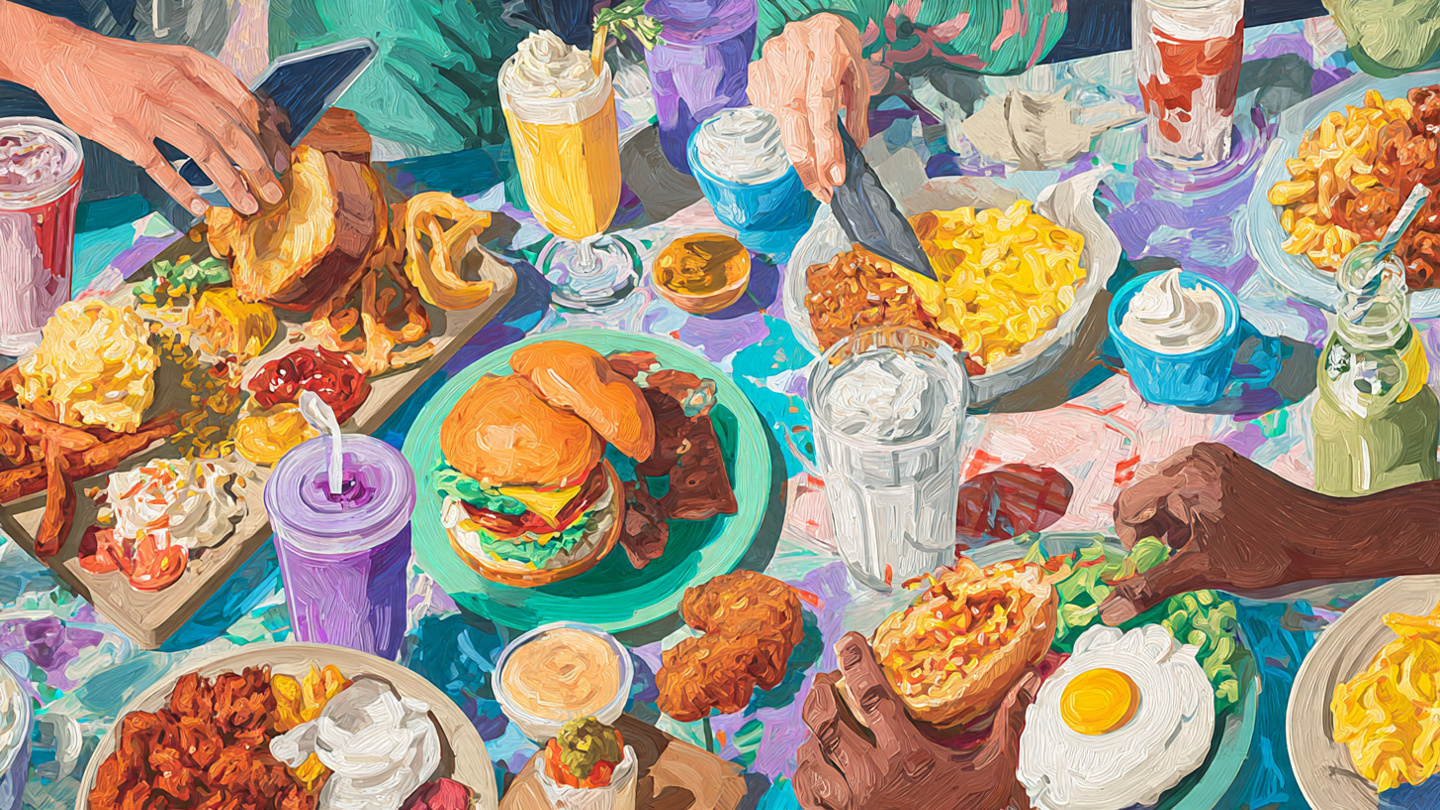
Few topics reveal more about a person’s food identity than polarizing American staples. These are the dishes that divide families, friend groups, and internet comment sections. They also serve as surprisingly useful clues when trying to understand someone’s eating habits and flavor profile.
Processed comfort foods
Spray cheese, canned pasta, frozen pot pies, cheese slices, and sweet packaged snacks usually appeal to people who value convenience, nostalgia, and bold sensory payoff. These foods are often dismissed as lowbrow, but that misses the point. Their appeal is emotional as much as culinary. They are part of the American story of convenience culture, suburban snacking, and comforting routines.
If you love these foods, you may prioritize pleasure, familiarity, and low-effort indulgence. If you dislike them, you may be more sensitive to artificial flavor, preservatives, or one-note sweetness and salt.
Regional classics
Biscuits and gravy, Cincinnati chili, grits, fried green tomatoes, meatloaf, ambrosia salad, and baked beans can trigger strong opinions depending on where you grew up. For some people, these dishes are heritage. For others, they are deeply confusing. This is where food culture matters. What feels comforting in one region may feel strange in another.
This is also why judging someone’s palate without understanding their background rarely works. A person who adores hush puppies and slaw may simply have a different culinary map than someone who grew up with deli sandwiches and bagels.
Texture-driven foods
Jell-O molds, cottage cheese, grits, okra, marshmallow salads, and canned cranberry sauce often come down to texture tolerance. Even people who enjoy the flavor may reject the mouthfeel. If you are highly texture-sensitive, your likes and dislikes probably tell us more about sensory preference than about openness or taste maturity.
That is an important distinction. Plenty of adventurous eaters still refuse foods that feel slippery, gummy, grainy, or oddly soft.
What Your Cravings Say About Your Food Personality
Your cravings create a pattern, and patterns are powerful. You might not notice it day to day, but the American foods you choose repeatedly usually fall into emotional categories.
- You crave cheesy, creamy comfort foods: You likely seek warmth, familiarity, and low-stress satisfaction.
- You love salty snack foods: You may prefer quick pleasure, strong sensory payoff, and casual social eating.
- You chase smoky, spicy, or tangy dishes: You probably enjoy intensity, contrast, and layered flavor experiences.
- You prefer classic diner meals: You may value tradition, nostalgia, and simple foods done well.
- You dislike overly processed foods: You may be more ingredient-conscious and more attuned to freshness and balance.
I have always found that people who claim to “hate American food” usually do not hate American food at all. They hate a narrow version of it. Once you move beyond the stereotypes and look at regional barbecue, Cajun cooking, Southern comfort food, New England seafood, Midwestern casseroles, diner culture, and immigrant-influenced classics, the picture becomes much richer. American cuisine is broad, emotional, and full of contradictions. That is exactly why it makes such a good lens for understanding taste.
How Taste Buds Change Over Time
One of the most interesting things about food preferences is that they are not fixed. The person who refused mustard, olives, black coffee, or blue cheese in their teens may later become obsessed with them. This shift happens for both biological and psychological reasons. Repeated exposure reduces resistance. Social experiences matter. So does context. A food you disliked in a school cafeteria may taste entirely different when prepared well at home or in a restaurant.
As people get older, they often become more open to:
- Bitter flavors such as coffee, dark greens, or certain vegetables
- Acidic foods like pickles, vinegars, and tangy dressings
- Fermented and funky notes found in aged cheeses and cured foods
- Heat and spice that add excitement and complexity
- Balanced dishes that combine sweet, salty, sour, and savory elements
That does not mean comfort foods disappear. In fact, many adults become even more attached to them. The difference is that those foods start sharing space with more adventurous choices. A person can love both chicken tenders and charred shishito peppers. Taste maturity is less about replacing favorites and more about expanding range.
American Foods as a Mirror of Identity
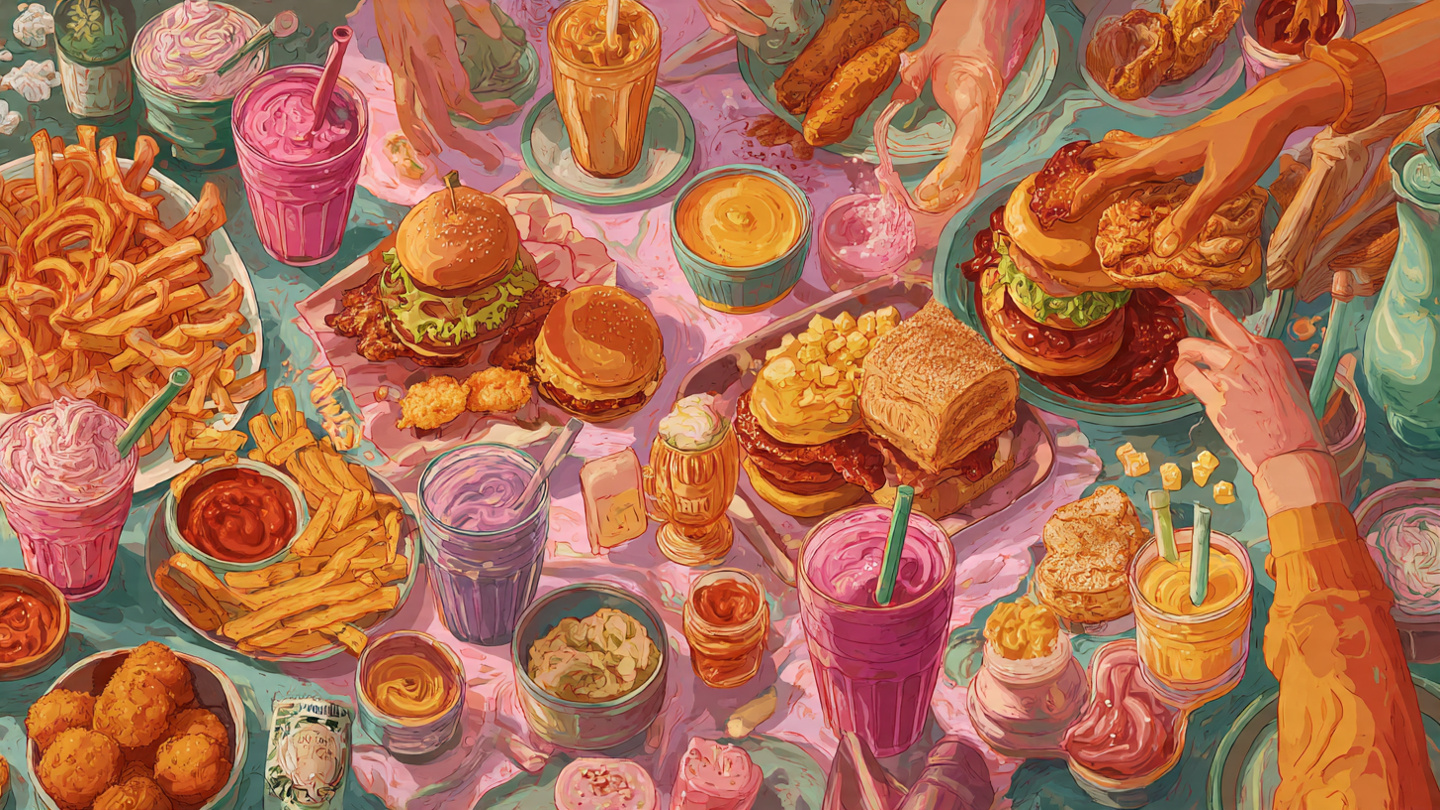
What you love to eat often reflects how you live. Fast, portable foods may suit a person with a packed schedule who values convenience. Slow-cooked dishes may appeal to someone who associates food with ritual and hospitality. Sweet breakfast cereals may point to a playful, nostalgic streak. A devotion to regional specialties may signal pride in place and family tradition.
Food also becomes a social shorthand. Ordering a burger and fries can communicate easygoing comfort. Choosing chili with all the toppings might suggest boldness. Loving pickles on everything may reveal a craving for contrast and punch. Even the foods you avoid tell a story. Someone who hates mushy casseroles, mayo-heavy salads, or canned soups may be responding to more than taste; they may be rejecting an entire style of eating.
This is why quizzes and conversations about food remain so addictive. They allow people to feel seen. When someone guesses that your love of grilled cheese, curly fries, and milkshakes means you are nostalgic and comfort-driven, it feels oddly accurate. When they notice your preference for tangy slaws, hot sauce, smoked meats, and sharp cheeses, it feels like they have identified a different layer of your personality.
How to Read Your Own American Food Preferences
If you want to decode your own palate, look beyond the obvious “like” or “dislike” and ask better questions. What do your favorite foods have in common? Are you drawn to soft textures, crispy coatings, sweet-and-salty combinations, or bold condiments? Do your most loved meals remind you of childhood, travel, family, or celebration?
A quick self-check
- List five American foods you love most. Look for repeating flavor themes.
- List five you cannot stand. Notice whether the issue is taste, texture, smell, or memory.
- Think about timing. Are your favorite foods tied to stress, joy, weekends, or social events?
- Consider context. Do you prefer homemade versions, fast-food versions, or restaurant classics?
- Track your evolution. Which foods have you grown into over time?
This kind of reflection can be surprisingly useful. It helps explain not only what you eat, but why you eat it. And once you understand your patterns, it becomes easier to expand your palate without forcing it.
The Real Secret Behind Food Love and Food Hate
The strongest food opinions are rarely about logic. They are about story. You may love a certain American dish because it reminds you of a parent, a summer fair, a high school football game, or a cross-country road trip. You may hate another because it was overcooked, pushed on you too often, or served in a form that made you uneasy. The emotional layer is powerful, and it deserves more respect than it usually gets.
That is why understanding American cuisine means understanding people. Every favorite food is a clue. Every aversion is a clue. Together, they form a map of your sensory world, your comfort signals, and your personal history.
So if someone says they can guess the age of your taste buds by the foods you love and hate, they are really making a smart observation about familiarity, openness, nostalgia, and appetite for complexity. It is less about a number and more about a pattern. And patterns, when it comes to food, are often incredibly revealing.
Conclusion
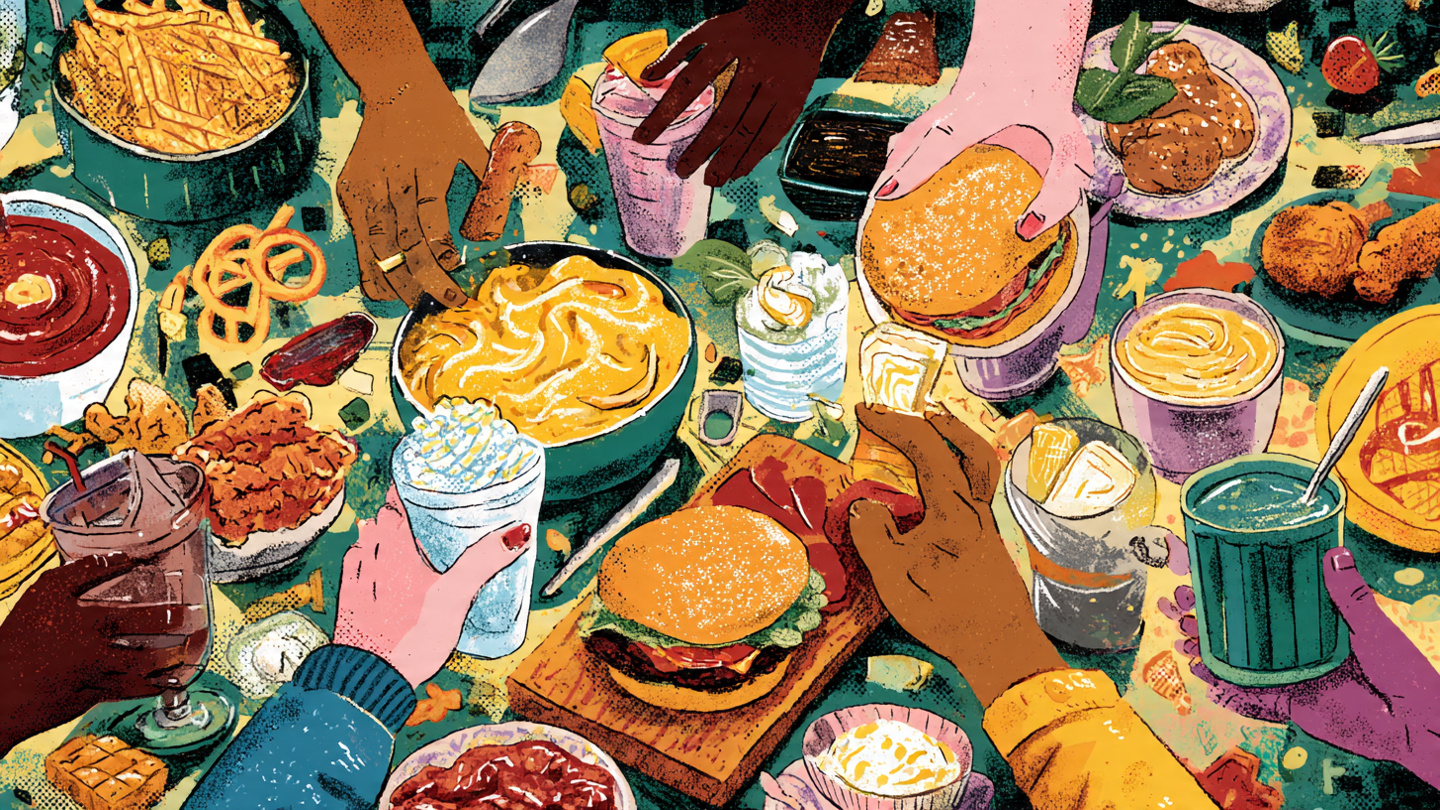
Your palate is part memory bank, part mood board, and part survival system. The American foods you crave and reject are shaped by childhood experiences, regional influences, texture preferences, and evolving taste. Whether you are loyal to comfort food classics or drawn to bolder, more layered flavors, your choices say something real about how you experience pleasure, familiarity, and identity through food.
The best part is that your taste buds are never finished developing. You can honor the foods that raised you while still exploring new ones. You can love grilled cheese and still learn to appreciate sharp pickles, smoky barbecue, or spicy regional specialties. Food is not a fixed label; it is an ongoing relationship.
If this made you curious, take a closer look at your own plate this week. Notice what you reach for first, what you avoid, and which flavors feel like home. You might discover that your American food preferences reveal far more than hunger. They reveal your habits, your memories, and the delicious story of how your taste has grown.
Explore more food culture stories and discover what your cravings reveal next.


