There is something almost magical about the Easter treats that stay with us long after childhood fades. Maybe it is the soft rustle of cellophane grass in a basket, the shine of a foil-wrapped chocolate bunny, or the moment you first held a panoramic sugar egg up to the light and peeked through its tiny window into a miniature world. Easter sweets do more than satisfy a craving. They carry memory, ritual, and a kind of springtime wonder that feels increasingly rare in a fast-moving world.
I have always thought the most unforgettable holiday foods are the ones that feel personal. A jelly bean is never just a jelly bean if it reminds you of a grandmother's candy dish. A marshmallow chick becomes a tradition when everyone at the table debates whether to eat the ears first. And a handcrafted sugar egg diorama is more than candy at all. It is part dessert, part decoration, and part edible folk art. That is exactly why nostalgic Easter sweets continue to matter. They invite us to slow down, look closely, and celebrate the season with a little more intention.
Why Panoramic Sugar Eggs Still Captivate
What makes a panoramic sugar egg so special
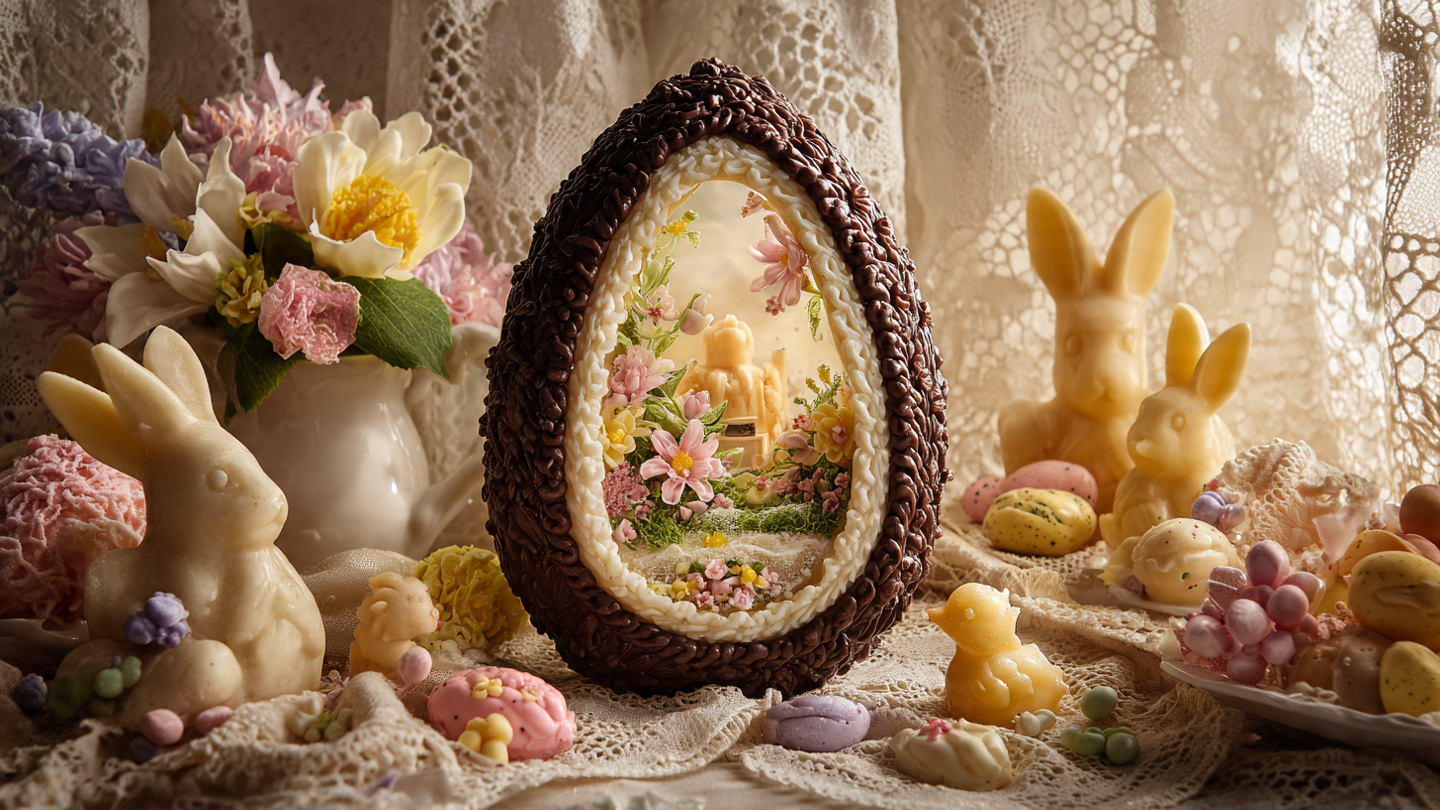
A panoramic sugar egg is one of the most charming Easter creations ever made. Traditionally, it is formed from molded sugar, shaped like a large egg, decorated with icing flowers and piped trim, and fitted with a small opening that lets you peek inside. Through that window, you might see a tiny spring scene: pastel blossoms, miniature rabbits, baby chicks, or a delicate garden tableau. Unlike mass-produced Easter candy, these pieces feel intimate and handmade.
The appeal lies in the contrast. On the outside, the egg is ornate and elegant. On the inside, it reveals a secret world. That sense of discovery is powerful, especially for children, but adults respond to it just as strongly. The sugar egg feels ceremonial in a way few modern sweets do. It asks to be admired before it is eaten, and often, it is treasured so much that it becomes keepsake decor rather than dessert.
Why they resonate across generations
Part of the enduring charm of sugar egg dioramas is that they stand at the intersection of Easter nostalgia, craft tradition, and visual storytelling. They remind many families of church bake sales, department store candy counters, and kitchen tables dusted with powdered sugar before holiday gatherings. Even people who never owned one often recognize their old-fashioned beauty immediately.
In a culture that often prizes convenience over craftsmanship, panoramic eggs represent the opposite impulse. They celebrate patience, detail, and delight. That makes them especially appealing now, when so many people are rediscovering handmade seasonal traditions as a way to create more meaningful holidays.
- Visual appeal: They double as centerpiece decor and edible art.
- Emotional value: They evoke childhood wonder and family traditions.
- Seasonal symbolism: Eggs, flowers, and pastel scenes reflect renewal and spring.
- Rarity: They feel unique in a world of standard packaged sweets.
A Brief History of Classic Easter Sweets
The roots of Easter candy traditions
Many classic Easter sweets connect to older spring rituals centered on rebirth, abundance, and celebration after winter's scarcity. Eggs, of course, became powerful seasonal symbols long before candy companies began shaping confections around them. As sugar became more widely available and confectionery techniques improved, bakers and candy makers transformed these symbols into decorative treats for Easter tables and gift baskets.
Panoramic sugar eggs gained popularity in Europe and later in the United States, especially in the nineteenth and early twentieth centuries, when decorative molded sugar work was considered a marker of festive domestic skill. Over time, commercial candy brands added their own icons to the season, including jelly beans, chocolate eggs, marshmallow chicks, coconut nests, and hollow bunnies.
From handmade luxury to beloved tradition
What makes Easter candy history so interesting is how it blends the handmade and the mass market. A family might display a labor-intensive sugar egg at the center of the table while children tore into brightly colored packaged candy from their baskets. That mix still defines the holiday today. Easter sweets range from intricate artisan confections to playful supermarket favorites, yet both can spark the same joy.
For many households, the season is not about choosing one over the other. It is about creating a layered experience. The homemade cake, the bakery chocolate egg, the store-bought jelly beans, and the decorative sugar egg all belong to the same emotional landscape. Together, they build the sensory memory of Easter.
The Craftsmanship Behind a Sugar Egg Diorama
How these edible miniatures come to life
To appreciate a panoramic sugar egg, it helps to understand the skill behind it. The shell is usually made by pressing moistened sugar into an egg mold and allowing it to harden. Once set, the halves are hollowed, dried, and joined together. A small viewing window is cut into one side, and the interior is decorated with a tiny scene assembled from royal icing, candy decorations, tinted coconut, and miniature figurines.
The outside is then embellished with piped borders, flowers, leaves, and sometimes a message written in icing. Every step requires precision. Too much moisture and the shell softens. Too little and it cracks. The result, when done well, looks almost too delicate to touch.
This is why handcrafted sugar eggs are often associated with a kind of reverence. They are not just made; they are composed. Even simple examples can feel extraordinary because they reward close attention. You do not simply glance at a sugar egg. You study it, turning it slowly, noticing the scalloped icing, the sparkle of sugar crystals, the tiny rabbit tucked inside.
Why craftsmanship enhances the Easter experience
Handmade sweets create a different emotional response than factory-perfect ones. Their small imperfections prove there was a person behind them. That matters during holidays, when food often acts as a visible form of care. A sugar egg diorama says someone spent time making beauty for this moment. In my experience, that single fact changes how people gather around the table. They ask questions. They tell stories. They become participants rather than consumers.
- Texture: Crisp sugar shell, intricate icing details, and layered interior decorations.
- Technique: Molding, drying, carving, assembling, and piping all play a role.
- Presentation: Each egg works as both dessert and centerpiece.
- Sentiment: Handmade confections often become family heirlooms of memory, even if they are temporary.
Other Nostalgic Easter Candy Favorites Worth Rediscovering
Chocolate bunnies, cream eggs, and molded classics
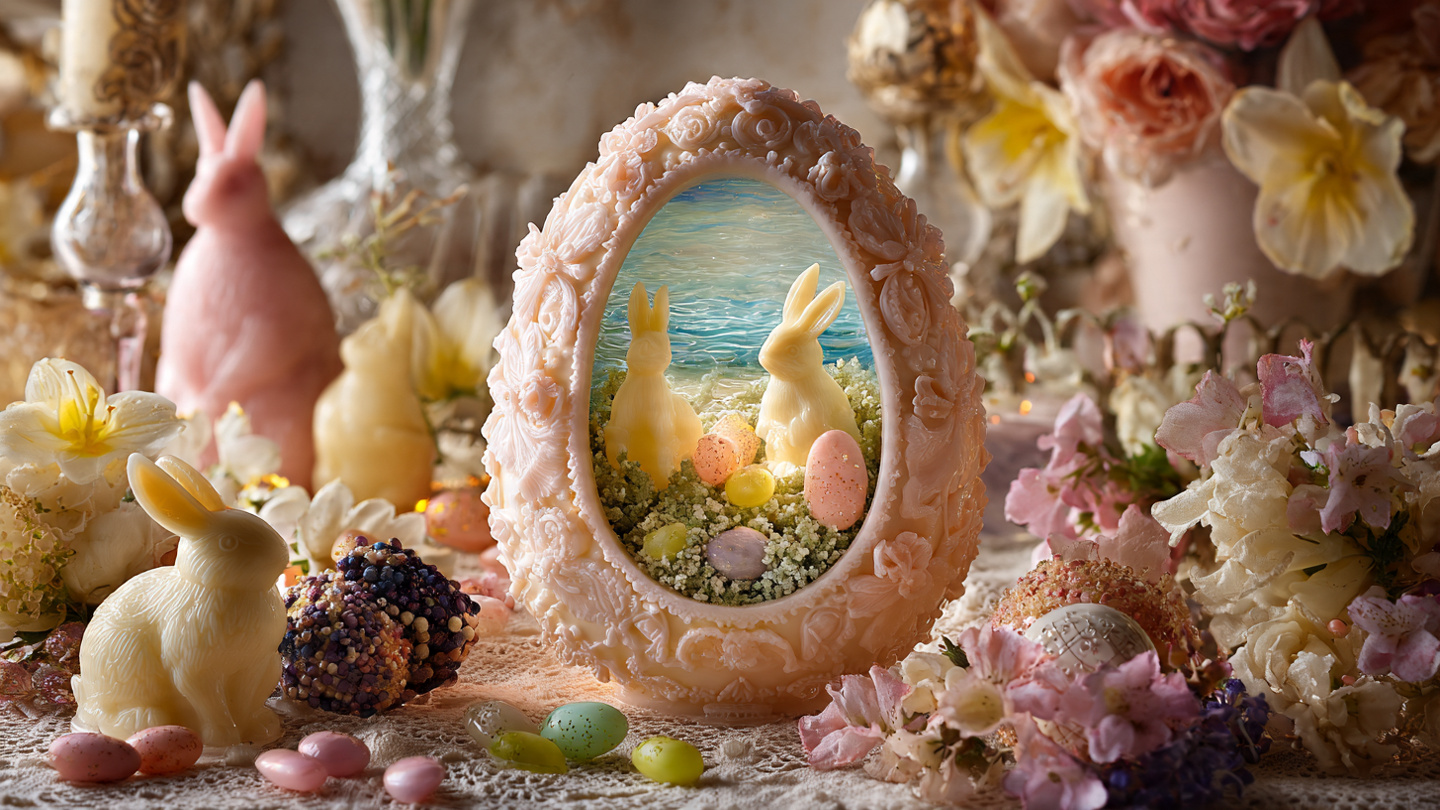
While panoramic eggs may be the most visually enchanting, they are far from the only nostalgic Easter candy worth celebrating. Chocolate remains the backbone of many Easter traditions. Hollow chocolate bunnies, solid milk chocolate rabbits, and fondant-filled eggs all have a place in the seasonal lineup. Their appeal is partly familiar flavor, partly ritual. There is a reason people still joke about whether to eat the ears first. It is a tiny tradition, but it turns candy into conversation.
Chocolate eggs in particular tap into the symbolism of the holiday while offering endless variety. Some are silky and luxurious, filled with praline or truffle centers. Others are intentionally simple, wrapped in foil and tucked into baskets. Both styles work because Easter candy is not only about taste. It is about context. The same chocolate egg feels more festive in April than it ever could in October.
Jelly beans, marshmallow chicks, and pastel pleasures
Few candies are as closely tied to Easter as jelly beans. Their glossy shells, bright colors, and poppable size make them a basket staple year after year. They are playful and easy to share, and they instantly communicate spring abundance. Marshmallow chicks and bunnies inspire even stronger opinions. Some people adore their airy sweetness and sugar coating; others love them more for the nostalgia than the flavor. Either way, they remain cultural icons of the season.
Coconut nests, speckled malted milk eggs, buttercream candies, and old-fashioned pectin fruit slices also deserve renewed attention. These sweets bring texture and color to the holiday table, especially when mixed thoughtfully. A well-curated Easter spread should not be all chocolate or all novelty candy. The best ones balance creamy, chewy, crunchy, fruity, and decorative elements.
Regional and family traditions that keep Easter personal
One of the joys of exploring classic Easter sweets is realizing how regional and family-specific they can be. Some families prize homemade peanut butter eggs. Others make coconut cream eggs by hand, decorate sugar cookies, or buy from the same local confectioner every spring. These traditions often matter more than trend-driven treats because they create continuity. You do not remember a candy because it was fashionable. You remember it because it was always there.
If you want to deepen that sense of connection, start by asking relatives which Easter candy they loved as children. The answers can be surprisingly vivid. One person recalls the scent of shredded coconut on the kitchen counter. Another remembers carefully carrying a sugar egg home from a school fundraiser. These stories are part of the holiday's sweetness too.
How to Create a Memorable Easter Sweets Table
Blend beauty, nostalgia, and variety
If you are planning an Easter brunch, family dinner, or neighborhood gathering, a thoughtfully designed sweets table can become the emotional center of the event. The key is to combine visual charm with familiar favorites. A panoramic sugar egg makes a beautiful focal point, but it should be supported by candies and desserts that invite people to taste, share, and linger.
I like to think of an Easter sweets table in layers. Start with one or two showpieces, then add approachable favorites, and finish with homemade touches. This creates a display that feels abundant without becoming chaotic.
- Anchor the table: Use a panoramic sugar egg or decorative cake as the centerpiece.
- Add familiar favorites: Include chocolate eggs, jelly beans, marshmallow chicks, and mini wrapped candies.
- Mix textures: Pair creamy, crunchy, chewy, and crisp sweets for better balance.
- Use seasonal color: Soft yellows, pinks, greens, and robin's egg blue keep the display cohesive.
- Tell a story: Add one or two candies that reflect family tradition or local bakery favorites.
Practical ways to make it feel more special
You do not need an extravagant budget to make Easter desserts feel memorable. Presentation does much of the work. Place candies in small bowls, use cake stands of varying heights, and group sweets by type so the table looks intentional. If children are involved, let them help arrange jelly beans into color groups or place chocolate eggs into paper nests. Participation turns the display into an experience.
For a more old-fashioned feel, include a handwritten note naming each treat or sharing a short family memory beside one or two of them. That small detail invites conversation and gives the table personality. It is especially effective if you are trying to revive older traditions like sugar egg dioramas for a younger generation.
Why Nostalgic Easter Sweets Still Matter Today
They offer more than sugar
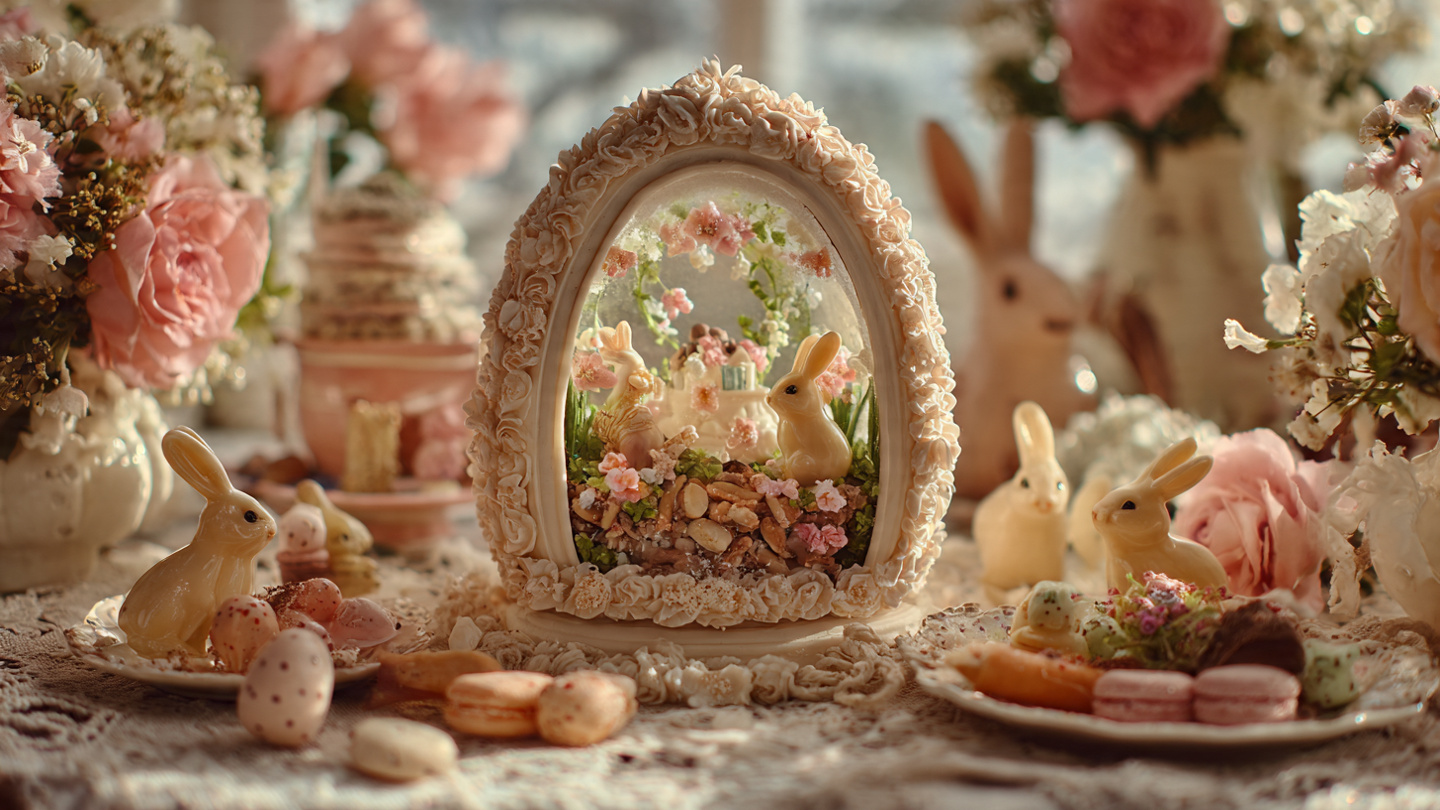
It is easy to dismiss holiday candy as frivolous, but that misses its deeper role. Nostalgic Easter sweets help mark time. They tell us the season has changed. They connect us to family rituals, community events, and the tactile pleasures of celebration. In a digital age, that kind of sensory tradition matters even more. A sugar egg is something you hold. A jelly bean is something you sort, share, and taste. A chocolate bunny is something everyone recognizes instantly, even decades later.
There is also comfort in their predictability. The world changes, but Easter still arrives with baskets, pastel wrappers, and sweet little symbols of spring. That consistency can be deeply grounding. People do not just crave flavor at the holidays. They crave continuity.
Why younger generations respond to them too
Interestingly, many younger shoppers are drawn to old-fashioned Easter treats precisely because they feel different from everyday snacks. A panoramic sugar egg stands out in a marketplace dominated by uniform packaging. Artisan chocolates, retro candies, and handmade holiday desserts also fit beautifully with current interest in craftsmanship, nostalgia, and seasonal rituals. What once seemed quaint now feels distinctive and premium.
That means there is real value in preserving and sharing these traditions. Whether through home baking, local candy shops, or seasonal markets, bringing classic Easter sweets back into focus can make the holiday richer for everyone at the table.
Where to Find or Make Panoramic Sugar Eggs Today
Support local makers and specialty bakeries
If you want an authentic panoramic sugar egg, check local bakeries, candy stores, church bazaars, craft fairs, and seasonal markets first. Handmade versions often appear in the weeks leading up to Easter, especially in communities with strong baking traditions. You can also search for specialty confectioners online through curated artisan marketplaces like Etsy or by browsing regional bakery websites.
Look for eggs with clean piping, stable structure, and thoughtfully designed interiors. The best ones feel charming rather than overly commercial. Even a modestly decorated sugar egg can be beautiful if the craftsmanship is strong.
Try making one as a family tradition
If you enjoy edible crafts, creating a sugar egg at home can become a wonderful annual ritual. It takes patience, but that is part of the reward. Children can help with the interior scene, color choices, and decorating details, while adults handle the more delicate assembly. The process itself becomes as valuable as the finished piece.
You do not need perfection to create meaning. In fact, some of the most cherished Easter memories come from slightly crooked icing flowers and tiny candy scenes that would never win awards but still make everyone smile years later.
Conclusion: Bring Back the Sweet Wonder of Easter
Panoramic sugar eggs remind us that Easter can be whimsical, beautiful, and deeply personal all at once. Alongside nostalgic Easter candy like jelly beans, chocolate bunnies, cream eggs, and marshmallow chicks, they help transform an ordinary spring gathering into a celebration rich with memory and delight. These treats matter not because they are trendy, but because they carry stories, craftsmanship, and joy from one generation to the next.
If you want this Easter to feel warmer, more intentional, and more memorable, start with the sweets. Choose one beautiful centerpiece. Add a few beloved classics. Ask your family what candy defined their childhood. Then build a table that tastes like tradition and looks like spring itself. This year, let Easter be as enchanting as it is delicious.


