Every home has that one awkward, annoying, impossible-to-ignore problem area. Maybe it is the stained corner in the bathroom, the jumble of cords under the TV, the scuffed entryway wall, or the cabinet that always looks cluttered no matter how often you clean it. These are the little eyesores that quietly pull down the look and feel of your entire space. The good news is that most of them do not require a renovation. With the right home improvement ideas, even the ugliest parts of your home can become cleaner, calmer, and much more functional.
I have always believed that a beautiful home is not about perfection. It is about removing friction. When the spots that usually frustrate you are finally handled, your whole home feels lighter. That is why the smartest upgrades are often the least glamorous ones. They solve the visual clutter, hide wear and tear, and make your everyday routine easier. If you have been wondering how to fix the ugliest parts of your home without overspending, these ideas are the kind of practical improvements that deliver an immediate payoff.
Why the Smallest Ugly Spots Matter Most
The most noticeable home flaws are not always the biggest ones. Often, they are the repeated visual interruptions that make a room feel messy or neglected. A single peeling baseboard, a tired shower curtain, or a pile of shoes by the front door can make a well-designed room feel unfinished. That is why targeted budget-friendly home upgrades work so well. They focus on the exact areas your eyes keep landing on.
- Visual clutter makes rooms feel smaller and more chaotic.
- Worn surfaces can make a clean home look dirty.
- Poor storage creates mess even when you try to stay organized.
- Outdated details date the entire space, even if the rest of the room works.
- Simple fixes often create the biggest before-and-after impact.
If you start with the places that bother you most, you will notice a difference faster. That momentum matters, especially if home projects usually feel overwhelming.
31 Easy Ways to Improve the Ugliest Parts of Your Home
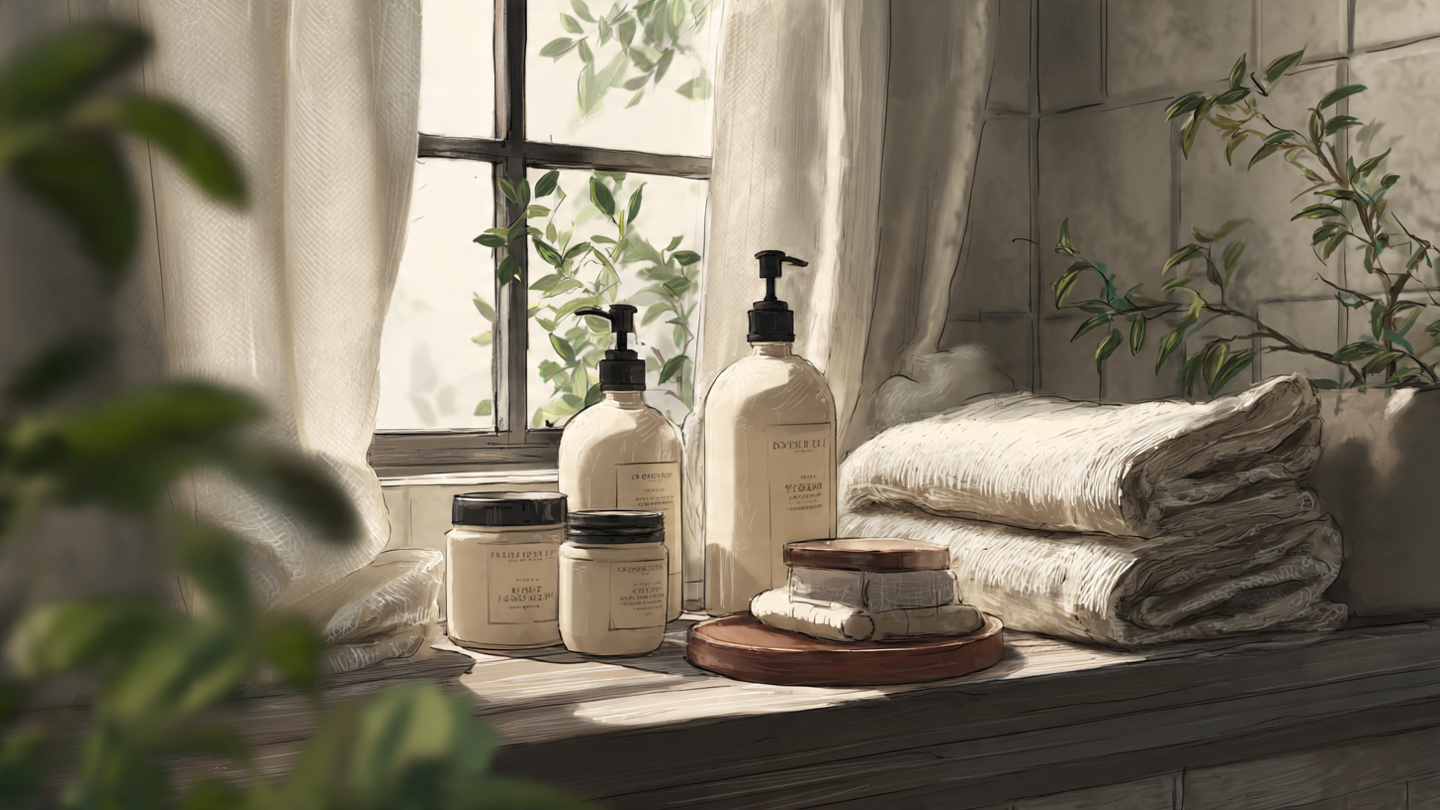
Entryway and First-Impression Fixes
1. Add a narrow shoe cabinet to hide everyday footwear. Shoes scattered by the door instantly create visual noise, while closed storage makes the entry feel intentional.
2. Use washable wall paint or touch-up paint in high-traffic areas. Entry walls collect fingerprints, bag marks, and scuffs faster than almost anywhere else.
3. Replace a tired doormat with one that actually traps dirt and adds style. This is one of the easiest decor fixes for home because it works both visually and practically.
4. Install wall hooks or a sleek coat rack so bags and jackets stop migrating to chairs and floors.
5. Use a small bench with hidden storage. In my experience, this one piece can solve three problems at once: seating, clutter, and wasted space.
Living Room Eyesore Solutions
6. Hide visible cords with cable boxes, cord sleeves, or adhesive cable channels. Tangled electronics are one of the fastest ways to make a living room look unfinished.
7. Upgrade worn throw pillow covers. If the sofa is structurally fine but looks tired, fresh textiles can shift the whole room without replacing furniture.
8. Cover scratched coffee tables or side tables with trays, books, or peel-and-stick surface films designed for furniture refreshes.
9. Use decorative baskets for blankets, toys, and remote controls. Open clutter always reads louder than you think.
10. Anchor the room with a rug sized correctly for the furniture. A rug that is too small can make the room feel disjointed, while the right one makes everything look more polished.
Kitchen Problem Areas That Need Attention
11. Add shelf risers and under-shelf baskets to cabinets. Ugly kitchens are often not truly ugly; they are simply overstuffed.
12. Replace stained dish towels, worn sponges, and random countertop containers. These small details sit in plain view every day, so they influence how clean the kitchen feels.
13. Use a sink caddy to organize soap, brushes, and scrubbers. When sink items are loose, the whole countertop looks messier.
14. Install peel-and-stick backsplash tiles if the wall behind the stove or sink looks dated. This is one of the most effective kitchen makeover ideas for renters and budget-conscious homeowners.
15. Add matching pantry bins or labeled food containers. Packaging chaos can make a cabinet look impossible to manage, even when there is plenty of room.
16. Upgrade cabinet hardware. New knobs and pulls are a classic fix because they modernize old cabinetry without requiring a full remodel.
Bathroom Upgrades That Make a Big Difference
17. Replace stained shower curtains and liners immediately. Few things make a bathroom feel more neglected than fabric or plastic that has clearly seen better days.
18. Use fresh caulk around sinks and tubs. Clean caulk lines signal care and cleanliness, while cracked or yellowing edges do the opposite.
19. Refresh grout using a grout pen or deep-cleaning product. If your bathroom still looks dirty after cleaning, the grout is often the real problem.
20. Add tiered storage under the sink. Once toiletries and cleaning supplies stop spilling over each other, the room becomes easier to maintain.
21. Swap mismatched bottles for refillable dispensers. This is a subtle trick, but it creates a calmer, more cohesive look almost instantly.
22. Use wall-mounted organizers for hair tools, toilet paper, or skincare. Vertical storage can rescue small bathrooms that always feel cluttered.
Bedroom and Closet Fixes
23. Use under-bed storage bins to remove off-season clothing and extra linens from sight. Hidden storage is often the difference between a peaceful bedroom and a chaotic one.
24. Replace thin, tangled hangers with uniform slim hangers. It sounds minor, but a closet instantly looks neater and more spacious when everything hangs consistently.
25. Add a laundry hamper that actually complements the room. The bedroom often feels messy because laundry has no home.
26. Try a simple headboard slipcover or a fabric panel behind the bed if the room lacks a focal point. This can make the space feel designed, not improvised.
Laundry, Utility, and Hidden Trouble Spots
27. Use stackable bins or labeled baskets above the washer and dryer. Utility spaces become ugly when necessary items are stored without a system.
28. Add a fold-down drying rack or wall hooks to keep damp clothes off doors and random chair backs.
29. Cover exposed shelves with matching bins so cleaning products, paper goods, and tools stop creating visual chaos.
30. Place anti-fatigue mats or washable runners where floors tend to look worn or stained. A smart floor covering can hide damage while improving comfort.
31. Use peel-and-stick wallpaper, paint, or paneling to revive one dead corner, awkward nook, or visibly damaged wall. Sometimes one targeted change is enough to change how you feel about the entire room.
How to Choose the Best Fix First
If your home has multiple problem areas, do not try to solve everything at once. The most effective approach is to start with the spot that causes the most frustration or gets seen the most often. A front entry, a bathroom vanity, and the kitchen counter usually offer the best return on effort because they affect your routine every day.
- Choose the area you notice first when you walk into the room.
- Prioritize spaces guests see often if you want fast visual impact.
- Pick one issue that is both functional and aesthetic, such as cluttered storage or damaged surfaces.
- Start with low-cost upgrades before moving to bigger purchases.
- Finish one zone completely before starting the next.
Personally, I like to begin with anything that makes cleaning harder. Once clutter has a place and surfaces are easier to wipe down, the home starts looking better with less effort. That is the kind of upgrade that keeps paying you back.
What Makes a Home Look Instantly Cleaner and More Expensive
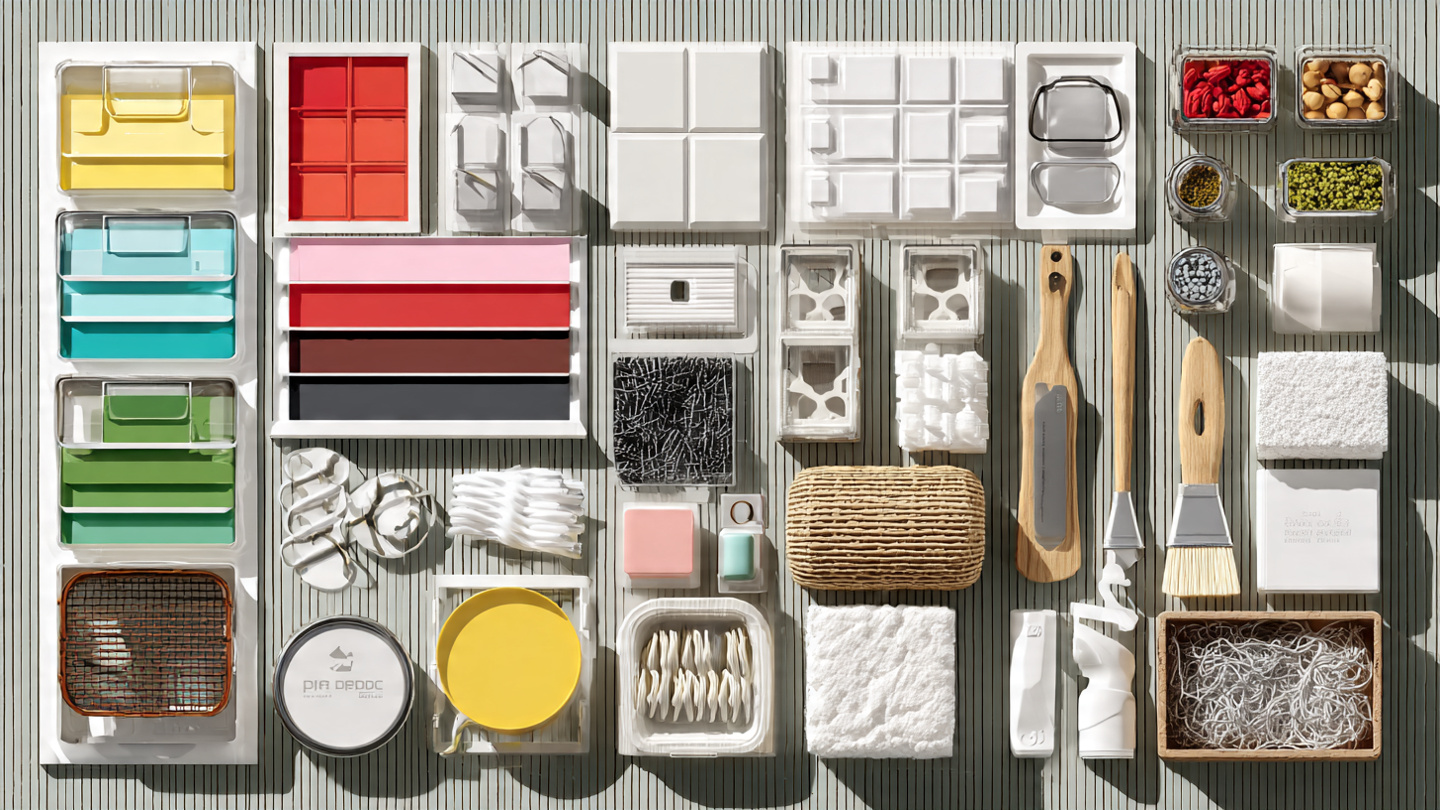
There is a pattern behind the rooms that always feel put together. They are not necessarily filled with expensive furniture or custom materials. Instead, they share a few visual qualities: consistency, concealment, and maintenance. The most effective easy home decor upgrades usually support one of those three goals.
Consistency
Matching containers, coordinated hardware, uniform hangers, and repeated finishes create order. When objects look like they belong together, the room feels calmer and more intentional.
Concealment
Not everything needs to be displayed. Hiding cords, shoes, toiletries, and pantry packaging removes the distractions that make a home feel busy.
Maintenance
Fresh caulk, touch-up paint, clean grout, and unstained fabrics communicate care. Even simple upkeep can outshine expensive decor if neglected details are dragging the room down.
This is why some of the best home improvement ideas are not decorative at all. They create a stronger foundation for the room so that every other item looks better by comparison.
Common Mistakes to Avoid When Fixing Ugly Areas
It is easy to spend money on upgrades that do not solve the real issue. The goal is not to layer pretty things over an unresolved problem. It is to make the area more functional, easier to maintain, and more visually cohesive.
- Do not buy more storage without first removing what you do not use.
- Do not ignore lighting. A dark corner often looks worse than it really is.
- Do not keep visibly worn basics like bath mats, liners, and towels just because they are still usable.
- Do not overcrowd counters and open shelves with decorative items.
- Do not underestimate the power of cleaning, paint, and hardware updates.
One practical example is the bathroom sink. Many people try to improve it with nicer soap dispensers or accessories, but the real fix might be decluttering the counter, replacing yellowed caulk, and organizing the under-sink cabinet. Once the core problem is solved, the decorative details finally work.
Building a Home That Feels Better Every Day
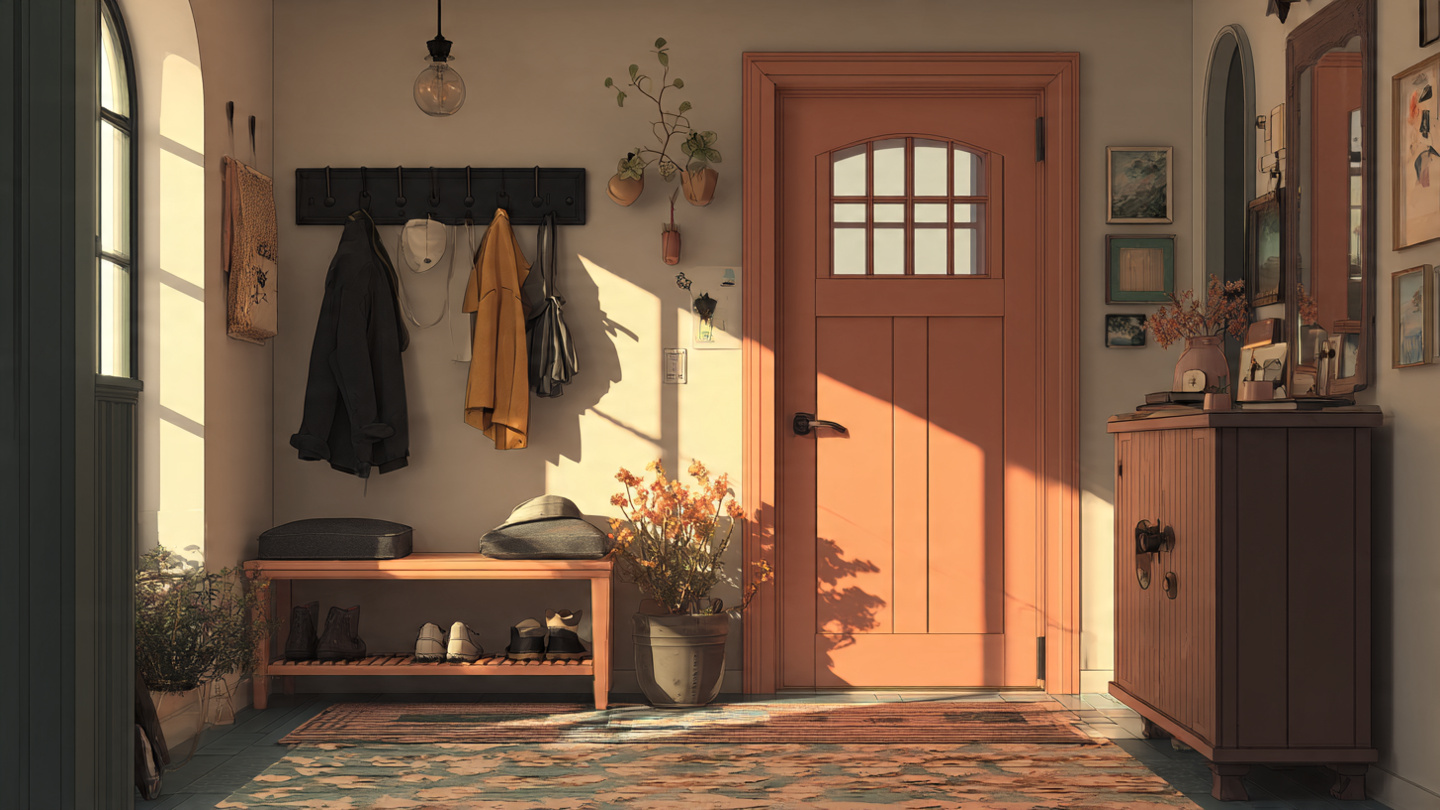
When you improve the ugliest parts of your home, you are doing more than making rooms look nicer. You are creating less friction in your daily life. A cleaner-looking shower makes mornings easier. An organized entryway lowers stress when you leave the house. A tidy kitchen counter invites you to cook instead of avoiding the mess.
That is why these upgrades matter. They are not about chasing perfection or copying a showroom. They are about making your home support your real life more gracefully. The most satisfying spaces are rarely the most expensive ones. They are the ones where small problems have been thoughtfully solved.
Conclusion
The ugliest parts of your home are usually the ones asking for the simplest kind of attention: better storage, cleaner finishes, smarter concealment, and a few well-chosen updates. Whether you start with the bathroom grout, the hallway clutter, or the cords behind the entertainment center, each improvement helps your home feel more polished, more peaceful, and easier to enjoy.
If you have been waiting for the perfect time to refresh your space, start with one visible problem area today. Pick the corner that annoys you most, choose one practical fix, and finish it fully. That small win often becomes the momentum you need to transform the rest of your home.
Ready to upgrade your space? Begin with the spot you see every single day, invest in one smart solution, and let that first improvement set the tone for a home that feels cleaner, calmer, and far more beautiful.


