Air travel has a strange way of compressing stress into very small spaces. You can leave home on time, check in smoothly, and still find yourself inching forward in a long airport security queue, watching the clock and wondering whether the line will ever move. For many travelers, waiting in the TSA line feels like dead time. In reality, it can become one of the most useful parts of your trip if you approach it with the right mindset.
I have spent enough time in airport security lines to know that frustration usually comes from two things: uncertainty and inactivity. You do not always know how long the wait will be, and you feel unable to do anything meaningful while you stand there. The good news is that you can reclaim that time. Whether you are traveling for work, heading out on vacation, or juggling family logistics, there are productive, calming, and even enjoyable ways to use those minutes well.
This guide breaks down 10 things you can do while waiting in the TSA line so you can reduce stress, stay organized, and move through airport security with more confidence. Some of these ideas are practical, some are mental resets, and a few can actually make the rest of your travel day better.
Why TSA Line Wait Time Feels So Draining
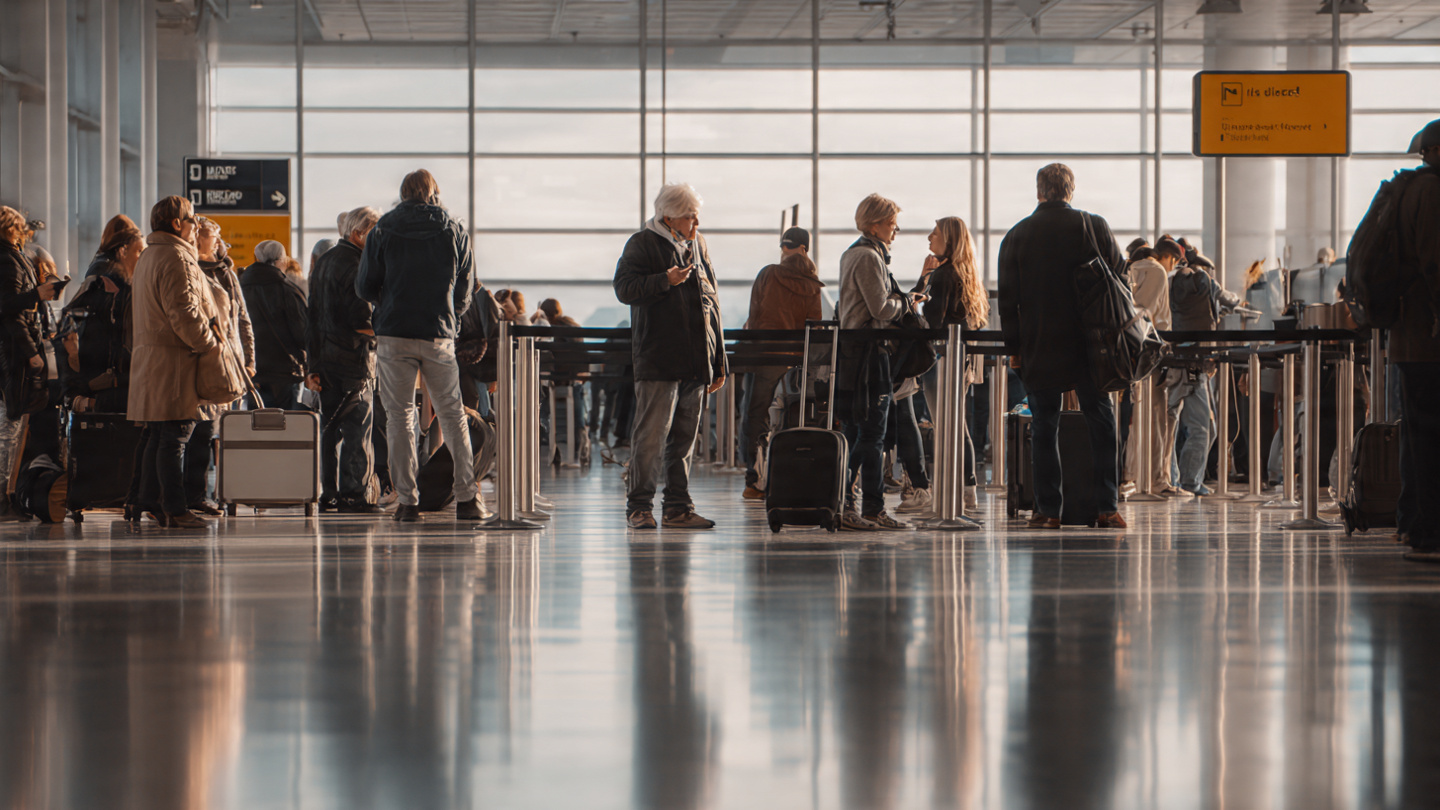
Before diving into the list, it helps to understand why airport security wait time can feel more exhausting than other kinds of waiting. In most lines, you can at least predict the process. At security checkpoints, the rules vary, travelers around you move at different speeds, and small mistakes can create big delays.
There is also a psychological factor. When people are worried about missing a flight, every minute feels larger. That is why having a plan matters. Instead of scrolling aimlessly or mentally replaying worst-case scenarios, you can use the line as a buffer zone between daily life and travel mode.
- Uncertainty makes the wait feel longer than it is.
- Disorganization increases stress at the checkpoint.
- Idle time encourages frustration and impatience.
- Preparation helps you feel more in control.
10 Smart Things to Do While Waiting in the TSA Line
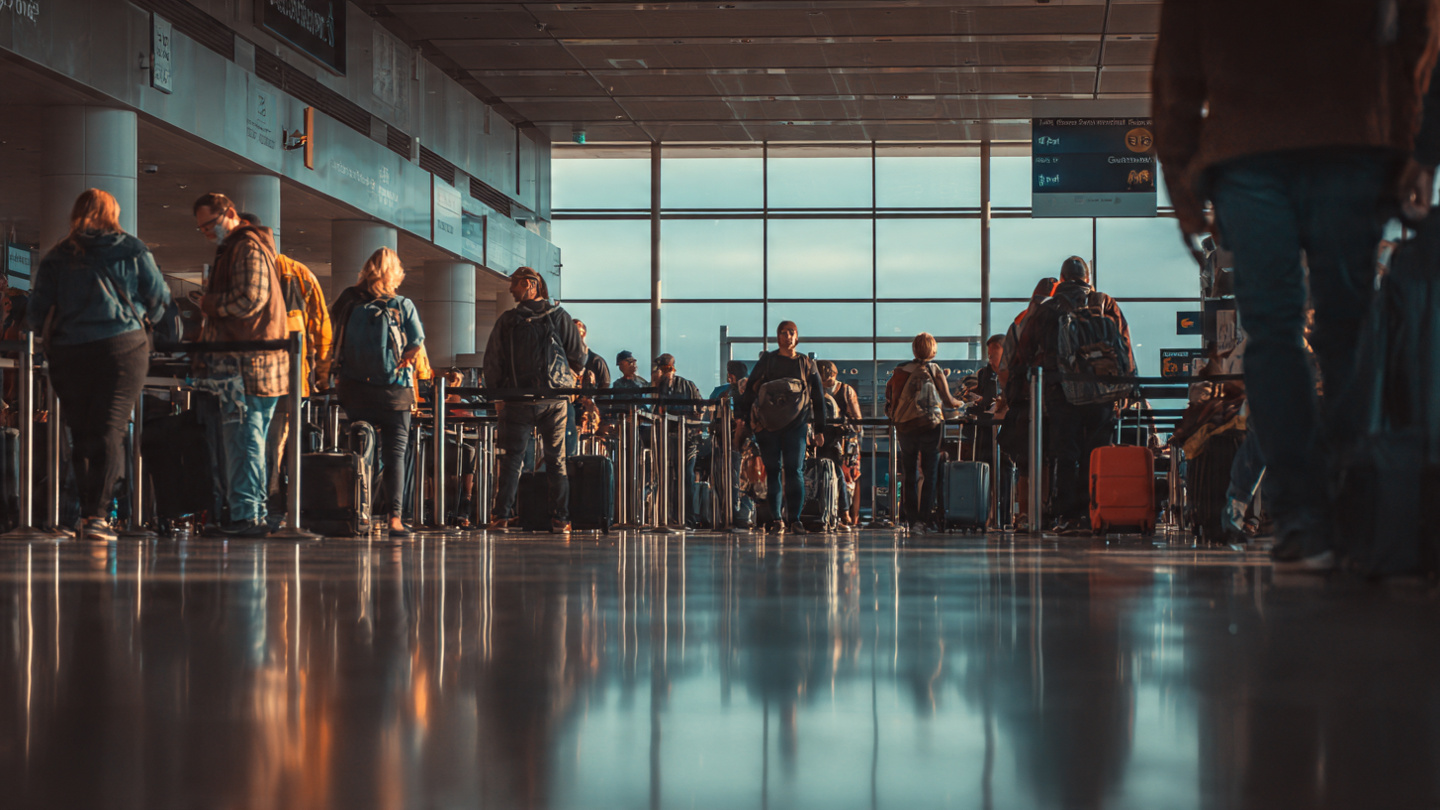
1. Do a Quick Document Check
The smartest first move is also the simplest. Before you get anywhere near the front of the security checkpoint, confirm that your ID, boarding pass, and any required travel documents are easy to access. This prevents the last-minute pocket search that slows you down and annoys everyone behind you.
If you are flying domestically, make sure your identification is in a secure but reachable spot. If you are traveling internationally, double-check your passport and any destination paperwork. If you use a mobile boarding pass, increase your phone brightness and pull up the screen early so it is ready when needed.
This may seem obvious, but in my experience, this one habit instantly lowers stress. The reason is simple: once your documents are ready, you stop feeling like you are about to forget something critical.
2. Repack for a Smoother Security Check
One of the best ways to use waiting in the TSA line is to quietly prepare your bags for screening. Move your laptop, tablet, liquids bag, and metal items into positions that are easy to grab. Take a quick inventory of your pockets. Remove coins, keys, and anything bulky before you reach the bins.
If you are wearing a belt, heavy jewelry, or layers that may need to come off, mentally prepare the order so you do not fumble under pressure. Travelers who look calm at security are rarely lucky. They are usually prepared.
Practical examples include:
- Place your liquids bag near the top of your carry-on.
- Move electronics into an outer compartment if required.
- Transfer loose items from pockets into your backpack.
- Untangle headphones or chargers so they do not spill everywhere.
This is not just about convenience. It can shorten your airport security line experience and help everyone move more efficiently.
3. Check Your Gate, Boarding Time, and Flight Status
Airports change fast. Gates shift, boarding times update, and weather can alter schedules with little warning. While you are in line, open your airline app or airport app and confirm the latest flight details. This gives you a clearer picture of what happens after security.
If your gate has changed to a farther terminal, you can plan your next move. If your flight is delayed, you may be able to relax a little. If boarding begins sooner than expected, you will know to head there directly after screening.
This small habit creates a sense of control, especially for nervous travelers. Instead of treating the airport like a series of surprises, you start navigating it deliberately.
4. Use the Time to Calm Your Nervous System
Not every useful airport habit needs to be productive in a traditional sense. Sometimes the most valuable thing you can do is regulate your stress. Security lines are full of subtle triggers: crowding, noise, uncertainty, and time pressure. A few minutes of intentional breathing can change the tone of your whole trip.
Try a simple rhythm: inhale for four counts, hold for four, exhale for six. Repeat that for a few rounds as the line moves. You do not need to close your eyes or make it obvious. The goal is just to slow your body down enough that you stop absorbing everyone else’s tension.
Airport anxiety is more common than many people admit. If you tend to feel overwhelmed while traveling, this is one of the highest-value habits on the list.
5. Send the Messages You Will Forget Later
There is a narrow window during travel when you still have the attention to handle loose ends. Once you clear security, you may be hunting for coffee, rushing to your gate, or settling into boarding. That makes the TSA line a perfect moment to send the quick messages that often slip through the cracks.
You might text the person picking you up, confirm a hotel check-in detail, reply to a work note, or send a simple update to family. If you are traveling for business, you can also use the time to flag any urgent emails that need attention after takeoff.
I often recommend keeping this limited to short communication. The line moves unpredictably, so this is not the place for a long back-and-forth conversation. Think of it as a cleanup round for your digital to-do list.
6. Review Your Arrival Plan
Most travelers focus heavily on departure and not enough on arrival. Yet your landing plan can determine whether the second half of your trip feels smooth or chaotic. While waiting at security, review your transportation, hotel address, rental car details, or meeting schedule.
If you are arriving late, confirm how you are getting from the airport to your final destination. If you are traveling to a city you do not know well, save the address offline or take a screenshot. If someone is meeting you, make sure you know exactly where.
This kind of preparation has saved me more than once. After a long flight, the last thing you want is to stand on the curb with low battery and no clear idea where to go next.
7. Declutter Your Phone for Easier Travel
The TSA line is surprisingly good for tiny digital maintenance tasks. Delete old screenshots, organize your travel confirmations into one folder, download entertainment for offline use, or save important reservation emails so they are easy to find later. These are small actions, but they remove friction from the rest of your trip.
If your battery is low, switch on low power mode. If your storage is full, clear out the clutter now instead of discovering the problem when you try to take photos later. If you have not downloaded a map, boarding pass backup, or podcast, now is a good time.
For modern travelers, digital organization is part of physical organization. A messy phone can be just as stressful as a messy carry-on.
8. Observe the Line and Choose the Best Position
Not every security lane moves at the same pace. Without cutting anyone off or creating confusion, you can still be strategic. Watch which lanes have travelers with complicated luggage, large family groups, or people unpacking at the last second. Often, the fastest line is not the shortest one but the one filled with prepared travelers.
This is where a little awareness pays off. Look ahead. Are people moving steadily? Is a specific lane repeatedly stalling? Are there agents redirecting travelers more efficiently in one section? Small observations can reduce your TSA wait time and improve your mood.
There is also a useful mindset shift here: observing the process helps you feel active instead of trapped. That alone makes the wait more bearable.
9. Practice Travel-Friendly Stretching and Posture Reset
Standing still with a backpack on one shoulder is not comfortable, and long travel days can leave your body tense before the trip even begins. While moving slowly through the line, you can do subtle posture resets. Roll your shoulders back, shift your weight evenly, relax your jaw, and gently stretch your calves or neck when space allows.
No one is suggesting a full wellness routine in the security queue. The point is to avoid turning stiffness into fatigue before you even board. Frequent travelers know that small physical adjustments can make a major difference later, especially on long flights.
Travel wellness starts before takeoff. If you care for your body early, you are less likely to arrive feeling depleted.
10. Reframe the Wait as a Transition, Not a Delay
This final idea may be the most important because it changes the way every other tip works. Instead of treating the security line as stolen time, think of it as transition time. You are moving from home mode to travel mode, from work mode to vacation mode, or from one part of life to another. That shift has value.
When I travel, I try to use this stretch of time as a mental reset. I ask a few quick questions: What matters most today? What can wait until later? What would make this trip feel easier? That brief reflection tends to make the whole journey feel less reactive.
Travel is rarely flawless. Flights get delayed, lines get long, and plans change. But the travelers who cope best are often the ones who stop fighting every inconvenience and start using each moment with intention.
What Not to Do in the TSA Line
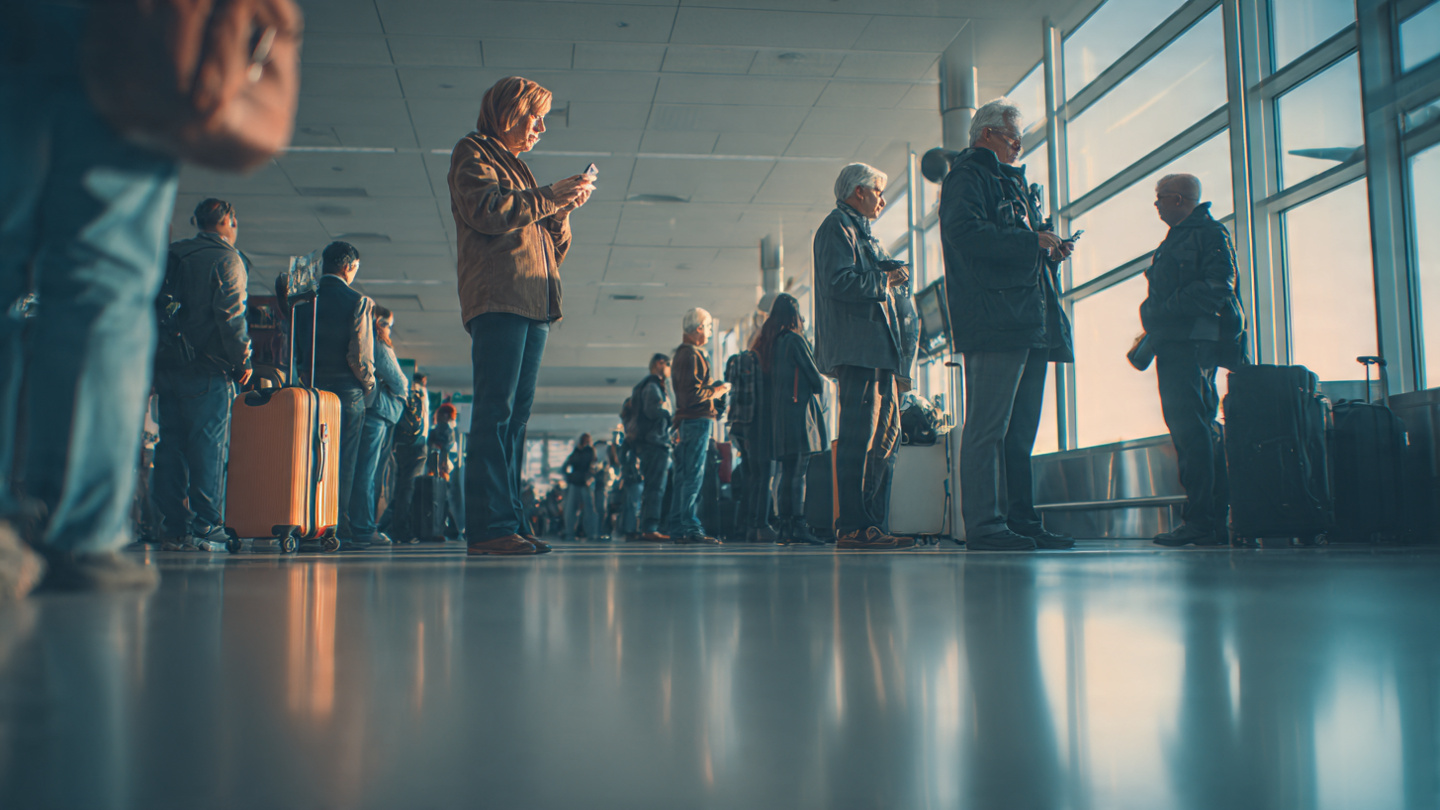
Knowing what helps is useful. Knowing what makes things worse is just as important. Certain habits increase stress, delay the line, and make airport security more frustrating for everyone.
- Do not wait until the front to search for ID or boarding information.
- Do not play loud audio or take speakerphone calls in crowded lines.
- Do not repack your entire suitcase at the bin area if you can prepare earlier.
- Do not ignore airport announcements or agent instructions.
- Do not assume all security lanes follow the exact same process.
A little situational awareness goes a long way. The smoother you move, the smoother the experience becomes for other passengers too.
How to Make Future TSA Lines Easier
If you want to go beyond surviving airport security and actually improve your overall travel routine, build a few preventive habits before your next trip. The best way to handle long lines is to arrive prepared enough that they do not derail you.
- Pack your carry-on with airport security tips in mind, not just convenience.
- Wear shoes and layers that are easy to manage at the checkpoint.
- Keep documents in one dedicated travel pocket or pouch.
- Download airline apps and activate relevant alerts before you leave home.
- Consider trusted traveler programs if you fly frequently.
Preparation does not remove every delay, but it changes your experience of the delay. And that can be the difference between a stressful start and a manageable one.
Conclusion: Turn TSA Wait Time Into Travel Advantage
There will always be parts of travel you cannot control, and waiting in the TSA line is often one of them. What you can control is how you use that time. A smart traveler does not just endure airport security. A smart traveler prepares, resets, observes, and moves through the process with intention.
From checking documents and repacking your bag to calming your breathing and reviewing your arrival plan, these habits can turn a frustrating pause into something productive. More importantly, they help reduce the stress that so often defines the airport experience.
The next time you find yourself staring at a zigzagging security queue, do not default to irritation. Use the moment. Organize what matters, steady your nerves, and set yourself up for a better trip from the very beginning.
Want smoother travel every time you fly? Start with one or two of these strategies on your next airport run, then build them into your routine. Small habits create calmer trips, faster decisions, and far less stress when the line gets long.


