Few breakfast foods inspire the same level of devotion as waffles. They are crisp at the edges, fluffy in the center, endlessly customizable, and somehow able to feel both comforting and celebratory at the same time. But here is the truth: most people love waffles far more than they actually understand them. A truly challenging waffles quiz does not just ask whether you prefer syrup or fruit. It tests your grasp of batter science, cooking technique, regional styles, texture, temperature, and the tiny details that separate an average waffle from a spectacular one.
If you have ever felt overly confident while standing in a kitchen with a hot waffle iron, this is your reality check. I have always thought waffles looked simple from the outside, but the more I learned about them, the more I realized they reward precision. One extra stir, one wrong ingredient ratio, or one impatient peek into the iron can completely change the result. That is what makes a professional-level waffle challenge so fun: it turns a familiar breakfast favorite into a surprisingly technical subject.
This guide is built for curious home cooks, quiz lovers, brunch fanatics, and anyone who wants to see whether their waffle knowledge is genuinely impressive. If you think you could pass a difficult waffles quiz without breaking a sweat, keep reading. You may know more than the average diner, but these questions reveal whether you understand waffles the way a professional cook does.
Why a Waffles Quiz Is Harder Than It Looks
At first glance, waffles seem straightforward. You mix a batter, pour it into a waffle maker, and wait for golden perfection. In reality, great waffles rely on a careful balance of ingredients, timing, and heat control. That is why a high-level food trivia challenge about waffles can trip up even experienced cooks.
Waffles sit at the intersection of baking and stovetop technique. Unlike pancakes, they require direct contact with heated metal plates, which means moisture evaporation, sugar caramelization, and fat distribution matter more than many people realize. This is where the questions become difficult. It is not enough to know what a waffle is. You need to know why waffles behave the way they do.
- Batter structure affects whether waffles turn airy or dense.
- Leavening determines lift, tenderness, and interior texture.
- Fat content influences crispness and release from the iron.
- Sugar shapes browning and flavor development.
- Heat management decides whether the outside crisps before the center cooks through.
That combination is exactly why a serious waffle quiz feels almost like a culinary exam. It tests memory, technique, and practical kitchen judgment all at once.
The 12 Core Areas Every True Waffle Expert Should Know
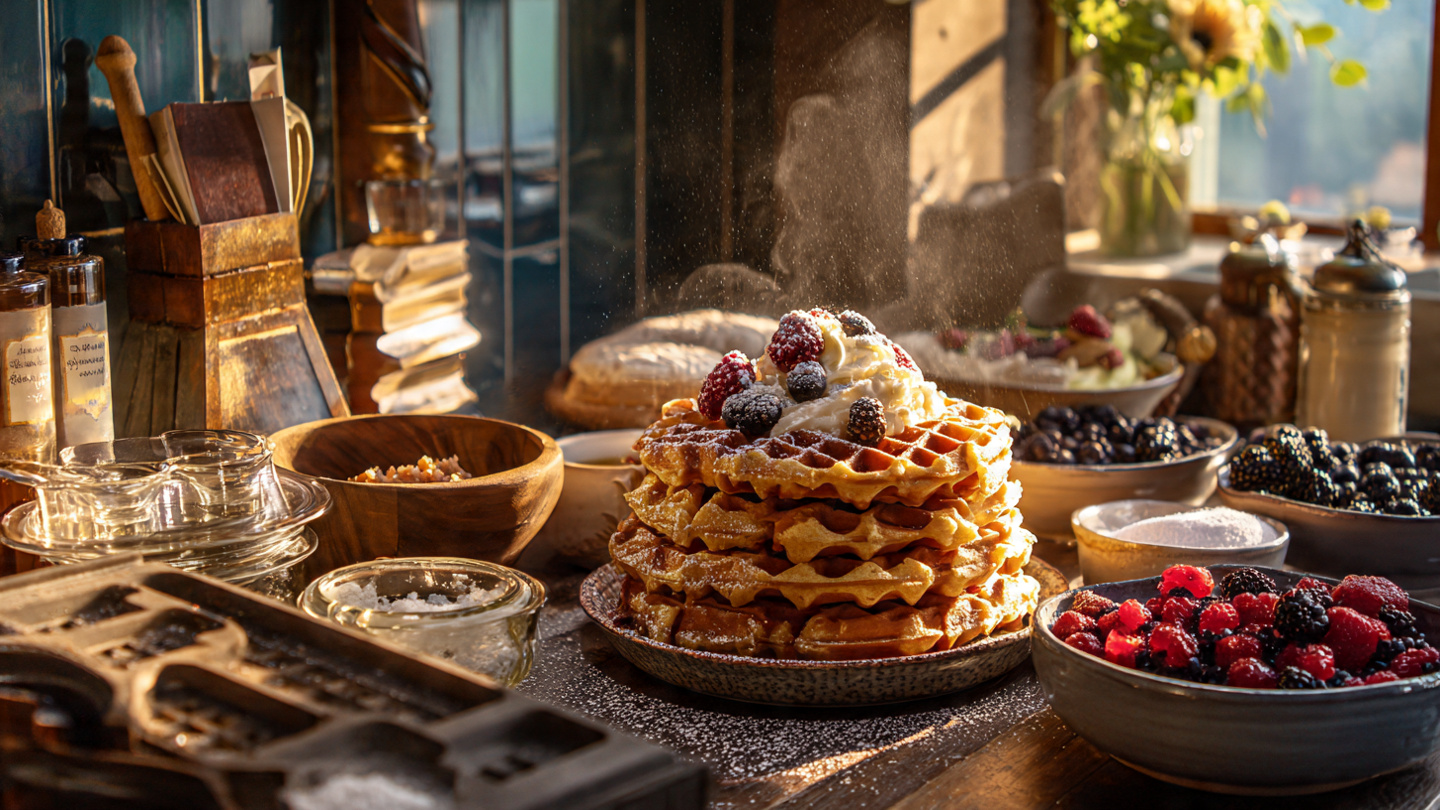
If a quiz claims to be nearly impossible unless you cook professionally, it should go beyond surface-level facts. A well-designed waffles quiz usually pulls from several knowledge categories, each exposing a different layer of expertise.
1. Batter Basics
The first trap in any difficult quiz is assuming waffle batter is interchangeable with pancake batter. While they share similarities, waffle batter often contains more fat and sometimes more sugar to promote a crisp exterior. The correct answer in many trivia questions comes down to texture: waffles are designed to create structure under pressure and heat, not simply spread on a griddle.
One practical example: if your waffles consistently come out soft instead of crisp, the issue may not be your waffle iron at all. It may be that your batter is too wet or under-enriched. Professional cooks know that batter composition is the foundation of everything else.
2. Leavening and Airiness
A tough quiz may ask what creates a light interior. Is it baking powder, yeast, whipped egg whites, or all of the above? The best answer depends on the style of waffle. Some recipes rely heavily on chemical leaveners, while others use beaten egg whites for loft. Yeasted waffles, meanwhile, develop a deeper flavor and often a more nuanced texture.
This is one of my favorite areas because it highlights how much personality waffles can have. Two waffles may look similar on the plate but taste and feel completely different because of the way they were leavened.
3. Belgian vs. Classic American Waffles
This is where many quiz takers get overconfident. People often treat all waffles as one category, but style matters. Belgian waffles tend to be thicker, lighter, and made with deeper pockets, making them ideal for holding syrup, whipped cream, fruit, or sauces. Classic American waffles are usually thinner and denser, with a more even crunch.
In a quiz setting, this distinction matters because the right answer may hinge on shape, texture, or even serving expectations. The deeper the pocket, the more deliberate the topping strategy becomes.
4. Crispness Science
If a quiz asks what ingredient or technique helps waffles stay crisp, you are entering serious territory. The answer can include higher fat content, proper preheating, allowing steam to escape, and avoiding stacking fresh waffles immediately after cooking. Stacking traps steam, and steam is the enemy of crunch.
That is a practical lesson every home cook should know. When I first started making waffles regularly, I made the classic mistake of piling them onto a plate. They looked beautiful for about a minute, then turned disappointingly soft. The fix was simple: keep them in a single layer or rest them briefly on a rack.
5. The Role of Resting Batter
Some difficult quiz questions focus on what happens when batter rests. A short resting period can hydrate flour more evenly and relax any overworked gluten, helping create a more consistent texture. In certain recipes, especially those that use yeast, resting is essential for flavor development.
This is the kind of question that separates casual breakfast fans from people who actually understand culinary technique. Patience is often part of the recipe.
6. Waffle Iron Temperature
Too cool, and waffles pale and stick. Too hot, and the exterior burns before the middle sets. A professional-level breakfast trivia question may ask how temperature influences release, browning, and overall texture. Experienced cooks know that preheating is not optional. It is one of the most important steps in the entire process.
Think of it this way: the waffle iron is not just a cooking tool. It is part mold, part oven, and part browning machine. If it is not fully ready, the batter never gets the strong start it needs.
7. Sweet vs. Savory Pairings
A surprising number of advanced waffle questions move beyond the batter and into flavor pairing. Why do waffles work with fried chicken? Why do yeasted waffles pair beautifully with rich cream toppings? Why are fruit compotes often better than thin syrup on ultra-crisp waffles?
The answer usually comes down to contrast. Great waffles balance crunch with moisture, richness with acidity, and sweetness with salt. Professional cooks understand that a waffle is a platform, not just a standalone item.
8. Regional and International Styles
Any top-tier food quiz may test whether you know the difference between Liege waffles and Brussels waffles. Liege waffles are richer, denser, and often made with pearl sugar that caramelizes on the surface. Brussels waffles are lighter and airier, typically more rectangular and elegant in structure.
This is where waffle trivia becomes genuinely exciting. You realize waffles are not one recipe but an entire family of techniques and traditions.
9. Common Mistakes
One of the smartest quiz categories focuses on errors. Overmixing is a classic problem because it can create toughness. Under-greasing or improperly heating the iron leads to sticking. Opening the iron too early can tear the waffle apart before it fully releases.
- Overmixing can make waffles chewy instead of tender.
- Cold irons cause sticking and uneven browning.
- Too much batter leads to overflow and soggy edges.
- Too little batter can create patchy waffles with weak structure.
- Premature lifting interrupts proper crust formation.
Questions about mistakes are especially effective because they test both theory and real-world kitchen experience.
10. Ingredient Swaps and Their Effects
Could you substitute buttermilk for regular milk? What happens if you use oil instead of melted butter? Does whole wheat flour change the final texture? These are exactly the kinds of details that make a hard waffles quiz feel worthy of bragging rights.
Buttermilk can add tang and react with leaveners. Butter contributes flavor, while oil often supports crispness more directly. Whole grain flours can create a nuttier taste but may reduce delicacy if not balanced carefully. In other words, ingredient swaps are never just nutritional or convenient decisions. They are texture decisions too.
11. Serving and Holding Techniques
Professional cooks know waffles are vulnerable in the minutes after cooking. If you need to serve a crowd, the challenge shifts from cooking to maintaining quality. The best strategy is often to hold finished waffles in a warm oven on a rack so air can circulate and the crust remains intact.
This may sound like a tiny detail, but it is exactly the sort of point that appears in expert-level trivia. Cooking is one skill. Serving well is another.
12. The History Behind the Plate
No elite waffles quiz is complete without a nod to history. Waffles have roots that stretch back centuries, evolving through European cooking traditions and eventually becoming a beloved staple in American breakfast culture. Understanding their lineage adds depth to every bite. It also explains why so many waffle styles exist today, from street-food sugar waffles to diner-style breakfast classics.
History questions often seem easier than technical ones, but they reward readers who appreciate food as culture, not just as fuel.
How to Know If You Could Actually Pass
Passing a difficult waffle quiz is not really about memorizing random facts. It is about seeing connections. If you understand how ingredients, equipment, and technique interact, you can often reason your way to the correct answer even when a question is tricky.
Here is a useful self-check. You are probably well-prepared if you can confidently explain:
- Why one waffle recipe turns crisp while another stays soft.
- How different waffle styles vary in structure and flavor.
- What causes sticking, tearing, or uneven browning.
- Why yeast, baking powder, or whipped egg whites change texture.
- How to serve waffles for a crowd without ruining the crust.
If you can discuss those points clearly, you are already thinking more like a cook than a casual brunch guest.
What Makes Waffles So Universally Loved
There is also an emotional reason waffle content performs so well. Waffles trigger nostalgia, comfort, and anticipation all at once. They are tied to weekend mornings, special breakfasts, family traditions, and restaurant treats. A compelling waffles quiz works because it combines joy with challenge. Readers want to prove they know something about a food they genuinely love.
Personally, I think waffles are one of the best examples of how simple food can still be endlessly interesting. They invite experimentation without losing their identity. Add berries, fried chicken, cinnamon apples, dark chocolate, or even herbed butter, and the waffle still remains the star. That balance between familiarity and flexibility is rare.
Tips to Improve Your Waffle Knowledge Fast
If this quiz concept has humbled you, that is actually good news. Waffle expertise is learnable. You do not need culinary school training to improve; you just need to pay attention to the details that matter.
- Read recipes comparatively so you can spot differences in fat, sugar, and leavening.
- Test one variable at a time when cooking, such as butter versus oil or milk versus buttermilk.
- Take notes on texture after each batch to identify what makes waffles crisp, airy, or dense.
- Explore regional styles like Belgian, Brussels, and Liege for a broader understanding.
- Practice serving techniques so your waffles stay as good on the plate as they were in the iron.
The fastest way to become excellent at waffle trivia is to become a more observant waffle maker.
Conclusion: Are You Ready for the Ultimate Waffles Quiz?
A truly difficult waffles quiz is not just a game. It is a test of culinary awareness, breakfast intuition, and attention to detail. It asks whether you understand waffles as a craft, not merely a craving. From batter composition and crispness science to international styles and serving strategy, every question reveals something deeper about what makes this iconic dish so satisfying.
If you answered these ideas confidently in your head, you may be more qualified than you think. And if a few sections caught you off guard, even better. That means there is still more delicious territory to explore. The best part about learning waffle technique is that research comes with a very edible reward.
Now it is your turn: test your knowledge, challenge your brunch-loving friends, and see whether your waffle instincts hold up under pressure. If you believe you can think like a pro, take on the ultimate waffle challenge and prove it one question at a time.


