There is a strange feeling that hits when you sit down to watch a favorite movie and discover it is gone. Not just moved, not just hidden behind a new app, but simply unavailable. Maybe the streaming license expired. Maybe the platform removed it. Maybe you bought access years ago and now the fine print matters more than your receipt. If that experience has made you rethink what it means to own movies and TV shows, you are not alone.
For years, convenience won. Streaming was cheap, instant, and easy. But in 2026, a growing number of viewers are asking a much smarter question: how do you build a media library that is actually yours? Not rented. Not borrowed from a platform. Not dependent on a corporation keeping its catalog intact.
My view is simple: if a film, series, or concert special genuinely matters to you, it deserves a place in a personal collection you control. That does not mean rejecting modern platforms. It means understanding the difference between access and ownership, then building a strategy that protects your favorites for the long term.
This guide explains exactly how to buy digital movies, when physical media still makes more sense, how to store your collection safely, and how to avoid the common traps that leave people paying for titles they do not truly possess.
Why “Buying” Movies No Longer Always Means Ownership
The biggest misunderstanding in home entertainment is the idea that clicking a Buy button guarantees permanent control. In many cases, it does not. What you often purchase is a license to view content under a platform’s terms. That can be a useful arrangement, but it is not the same as full ownership.
When people say they want to own digital movies, they usually mean four things:
- They want to watch the title without fearing it will vanish unexpectedly.
- They want reliable access across devices and over many years.
- They want the option to download or back up files whenever possible.
- They want a collection that survives platform shutdowns, licensing disputes, and catalog removals.
Those goals are reasonable, but each one depends on where and how you buy. A platform can offer a permanent-looking library while still reserving the right to change account access, remove compatibility, or alter terms. That is why true ownership in 2026 often means combining several methods rather than trusting a single storefront.
The Three Real Ways to Own Movies and TV Shows
1. Buy Physical Media
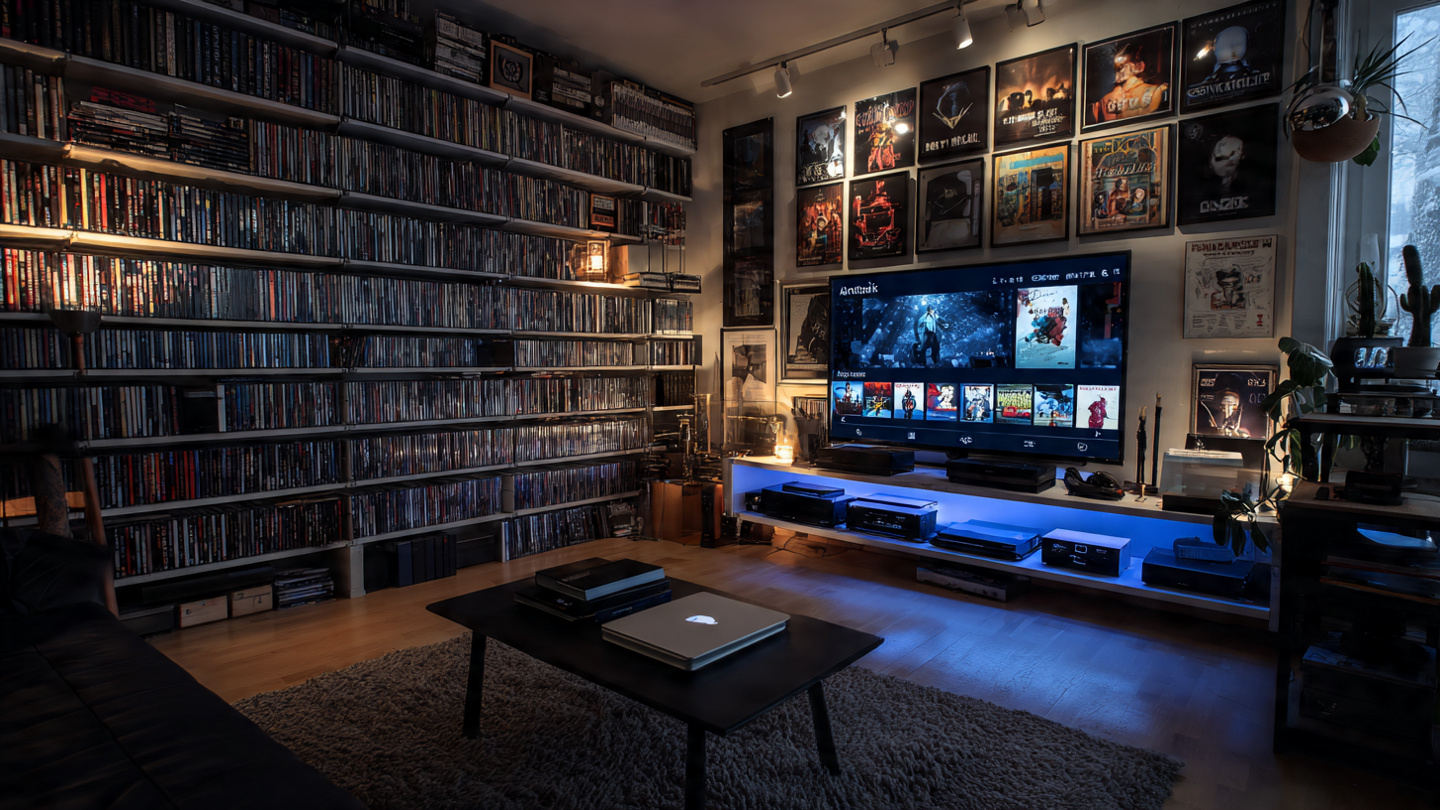
If your goal is the strongest form of control, physical media still wins. A Blu-ray, 4K UHD disc, or DVD stored in your home is not subject to streaming rights negotiations. No app update can erase it. No subscription increase can lock it away. For collectors, cinephiles, and anyone protecting favorite titles, physical remains the gold standard.
Physical ownership is especially valuable for:
- Classic films and niche releases that rotate in and out of streaming.
- TV box sets that are frequently unavailable online.
- Director’s cuts, commentaries, and bonus features.
- Top-tier video and audio quality, especially on 4K discs.
There is also a practical advantage people forget: discs can often be resold, gifted, or lent to friends. That flexibility is part of ownership too. If you bought a title physically ten years ago, there is a good chance you can still watch it today with no login required.
The downside is obvious. Discs take space, hardware matters, and some modern households have moved away from disc drives entirely. But if you care about permanence, physical media is still the most dependable answer.
2. Buy DRM-Free Downloads When Available
The ideal digital purchase is a file you can download, store locally, and play without platform lock-in. That is what DRM-free movies and video files offer, though availability is limited compared with music or ebooks.
DRM, or digital rights management, is the system that restricts copying, sharing, and playback. When a title is DRM-free, you can usually keep a file on your own storage and play it in compatible software without checking in to a vendor’s servers. That makes DRM-free content far closer to real ownership than a standard platform license.
The challenge is that mainstream film and television sellers rarely prioritize DRM-free access. Still, independent creators, specialty distributors, documentary platforms, and direct-from-creator stores sometimes do. When evaluating any storefront, ask one question first: Can I download and keep the file myself?
If the answer is yes, you are much closer to genuine ownership.
3. Buy Through Digital Ecosystems, But Know the Limits
Plenty of people build libraries through Apple TV, Amazon, Google TV, Fandango at Home, and similar services. These stores are convenient, polished, and often linked through programs that improve cross-platform access. For many households, they are the easiest way to buy TV shows online and assemble a digital collection quickly.
There is real value here. Digital ecosystems provide:
- Instant playback on phones, tablets, TVs, and streaming sticks.
- Frequent sales and bundle pricing.
- Cloud-based libraries that reduce local storage needs.
- Simple family sharing in some cases.
But this is where language matters. You are often buying long-term access within a controlled environment, not unrestricted possession of a media file. That is not useless; it is just different from absolute ownership. If you choose this route, spread your risk. Do not treat one platform account as your only archive of the films and shows you care about most.
How to Build a Media Library That Lasts
If you want to build a collection that survives changes in technology and licensing, think like an archivist, not just a shopper. The best media libraries are intentional. They balance convenience with durability.
Prioritize Your “Forever Titles”
Not every movie needs to be purchased. Some are one-time watches. Others are comfort films, annual rewatches, family favorites, or titles that are hard to find legally. Start by identifying what deserves permanent space in your library.
I recommend dividing titles into three groups:
- Essential: must own in the strongest form available.
- Nice to have: worth buying on sale digitally or physically.
- Stream only: convenient, but not important enough to collect.
This simple filter prevents clutter and saves money. It also helps you decide which titles justify buying on disc rather than relying on a digital platform.
Use a Hybrid Ownership Strategy
The smartest collectors in 2026 rarely choose just one format. They combine options based on value and risk. A practical example might look like this:
- Buy favorite films on 4K UHD or Blu-ray.
- Use digital storefronts for casual purchases and sale items.
- Seek DRM-free downloads from creators and specialty distributors.
- Keep subscription services only for discovery, not long-term reliance.
This approach gives you convenience without surrendering control. You can enjoy streaming for breadth while preserving a core collection you truly own.
Store and Organize Your Library Properly
Ownership only matters if your collection remains usable. That means organization and backup are part of the process. Physical discs should be stored in a cool, dry place away from direct sunlight. Digital files should live on reliable storage, ideally with redundancy.
For digital preservation, a good baseline includes:
- An external hard drive or SSD for local storage.
- A second backup drive kept separately.
- Clear file names and folders by genre, franchise, or year.
- A simple spreadsheet or catalog app to track what you own.
If you have ever bought the same movie twice because you forgot where you owned it, you already know organization matters. A media library is easier to enjoy when you can actually find what you own.
What to Look for Before You Buy
Whether you are shopping for a disc or a digital copy, a few details can make the difference between a smart purchase and a frustrating one.
Check the Playback Terms
Before buying from a digital store, confirm whether the title can be downloaded, how many devices are supported, and whether offline viewing is allowed. Also check whether account sharing or family access is included. A low price is not a bargain if the viewing terms are restrictive.
Compare Video and Audio Quality
Not all purchases are equal. One platform may offer 4K Dolby Vision and Dolby Atmos, while another may cap playback quality depending on the device. Physical discs often outperform streaming and digital purchases in bitrate and consistency. If presentation matters to you, compare formats before clicking Buy.
Look for Bonus Features
Collectors often focus on the film itself and forget the extras. Commentaries, deleted scenes, making-of documentaries, and alternate cuts can turn a standard purchase into the definitive version. Physical editions still tend to lead here, though some digital retailers include extras as well.
Pay Attention to Regional and Platform Lock-In
Some titles work only in certain countries or within specific ecosystems. If you move, travel frequently, or use mixed devices, platform lock-in can become a real inconvenience. The more portable your purchase, the more ownership-like it becomes.
The Biggest Mistakes People Make
Most disappointments happen because buyers assume convenience equals security. It does not. A few common mistakes keep repeating:
- Relying entirely on one streaming service for favorite titles.
- Assuming “Buy” means downloadable, transferable ownership.
- Ignoring physical media because it feels old-fashioned.
- Failing to back up digital purchases and personal video files.
- Waiting too long to buy niche titles that later go out of print.
I have seen collectors scramble to replace movies they once streamed freely, only to discover those editions are now expensive, unavailable, or missing key features. The lesson is simple: if something matters to you, secure it before convenience disappears.
Is Physical Media Still Worth It in 2026?
Absolutely, and arguably more than ever. In a world built around temporary access, discs offer certainty. They also offer something streaming still struggles to match consistently: premium picture quality, uncompressed or less-compressed audio, and collectible editions that feel like more than disposable content.
That does not mean every household should go all-in on shelves of plastic cases. But physical media has evolved from default format to strategic tool. It is no longer just about nostalgia. It is about control.
If you are wondering where to start, begin with your top ten favorite movies and the TV series you rewatch regularly. Buy those in the best format you can reasonably support. Once you experience the peace of mind that comes from knowing a title is yours regardless of licensing drama, the appeal becomes obvious.
The Smartest Buying Strategy for Most People
If I were advising a friend who wants to build a media library without overspending, I would suggest a balanced plan:
- Use streaming subscriptions for discovery and casual viewing.
- Buy beloved films physically, especially in collector-worthy editions.
- Purchase digital versions of convenience titles during major sales.
- Favor DRM-free options whenever they are legally available.
- Back up important digital files and track your collection carefully.
This strategy respects both your budget and your future self. It accepts that modern media habits are flexible, while still protecting the titles that matter most.
There is also a psychological benefit here. A thoughtful collection feels different from an endless feed. Instead of scrolling through whatever a platform wants to surface, you create a personal archive that reflects your taste, memories, and priorities. In that sense, ownership is not only technical. It is cultural and emotional too.
Conclusion: Buy Access Wisely, Own What You Love
The age of effortless streaming made entertainment feel abundant, but it also made it fragile. Catalogs shift. Apps change. Licensing expires. Entire platforms can disappear. If you care about films and television beyond the next weekend, it is worth learning the difference between temporary access and lasting control.
The good news is that real ownership is still possible. You can buy digital movies more intelligently, collect physical editions where they matter most, and build a library that outlives the whims of streaming platforms. The key is being deliberate. Know what you are buying, know what rights you actually have, and protect the titles you never want to lose.
If a movie or series is part of your life, treat it that way. Start with a handful of essentials, choose the best ownership format available, and create a collection you can count on. In a world obsessed with instant access, there is something deeply satisfying about knowing your favorite stories are still there when you want them.
Now is the perfect time to audit your watchlist, identify your forever favorites, and begin building a media library that is truly yours.


