The Forgotten Island trailer does more than tease a mysterious story. It quietly signals place, identity, and cultural texture in ways that instantly stand out to Filipino viewers. For everyone else, those details may pass by as colorful scenery or atmospheric set dressing. But if you have spent time in the Philippines, grown up around Filipino families, or simply know the rhythms of everyday life there, the trailer feels layered with meaning.
That is what makes this preview so interesting. It does not just say the film is set in the Philippines. It shows it through architecture, language, objects, movement, clothing, and tiny environmental details that carry emotional weight. The best trailers do not explain everything outright. They trust visual storytelling. Here, the result is a world that feels specific rather than generic, rooted rather than borrowed.
As someone who loves seeing Southeast Asian locations portrayed with care, I found the trailer especially compelling because it leans into local texture instead of smoothing it out for international audiences. These are the kinds of details that make a setting feel lived-in. They reward viewers who know what they are looking at while still enriching the experience for those encountering these cultural markers for the first time.
Below is a closer look at nine Filipino references in the Forgotten Island trailer that deserve attention, along with why they matter to the film’s atmosphere and to representation on screen.
Why the Forgotten Island Trailer Feels So Distinctly Filipino
Many adventure and mystery films use tropical islands as a visual shortcut. Palm trees, lush forests, dramatic coastlines, and remote villages can easily blur together into a fictional “somewhere exotic.” What separates this trailer is how deliberately it avoids that flattening effect. Instead, it hints at a real cultural environment.
Several elements work together to create that specificity:
- Language choices that sound natural rather than decorative
- Street-level visuals that reflect ordinary Philippine life
- Religious and family-oriented imagery common in local communities
- Geographic textures associated with Philippine islands and coastal towns
- Design details that suggest the film understands local spaces from the inside
For Filipino viewers, these clues are more than Easter eggs. They are signals that the setting is not just a backdrop. It is part of the story.
1. The Landscape Looks Like the Real Philippines, Not a Generic Tropical Island
The first and most obvious clue is the land itself. The coastlines, dense greenery, rocky shorelines, and humid, weathered atmosphere strongly resemble the Philippines setting audiences know from real life and local cinema. It does not look polished into a postcard. It looks uneven, beautiful, alive, and slightly unpredictable, which is often how island provinces actually feel.
There is a difference between a resort image of the Philippines and an inhabited island. This trailer seems interested in the latter. The terrain feels working, lived in, and weather-exposed. That matters because it changes the tone. Instead of fantasy paradise, the island becomes a place with history, labor, memory, and danger.
For Filipino viewers, even the color of the sunlight and the way structures sit against the sea can feel familiar. That kind of visual authenticity is hard to fake.
2. The Architecture Suggests Coastal Provincial Life
Another subtle but powerful detail is the style of the homes and buildings shown in the trailer. Rather than sleek beach villas or anonymous huts, the structures appear closer to what you would see in a provincial coastal barangay: practical materials, elevated elements, corrugated roofing, open ventilation, and signs of repair or adaptation over time.
That architectural language is deeply tied to climate and community. In the Philippines, homes in island and seaside areas are often built around heat, rain, storms, and shared space. You can sense that logic in the trailer’s environments.
This may seem small, but production design often reveals whether filmmakers truly understand a place. Here, the buildings do not feel assembled from international stereotypes. They feel observed.
3. Local Signage and Textures Point to a Filipino Community
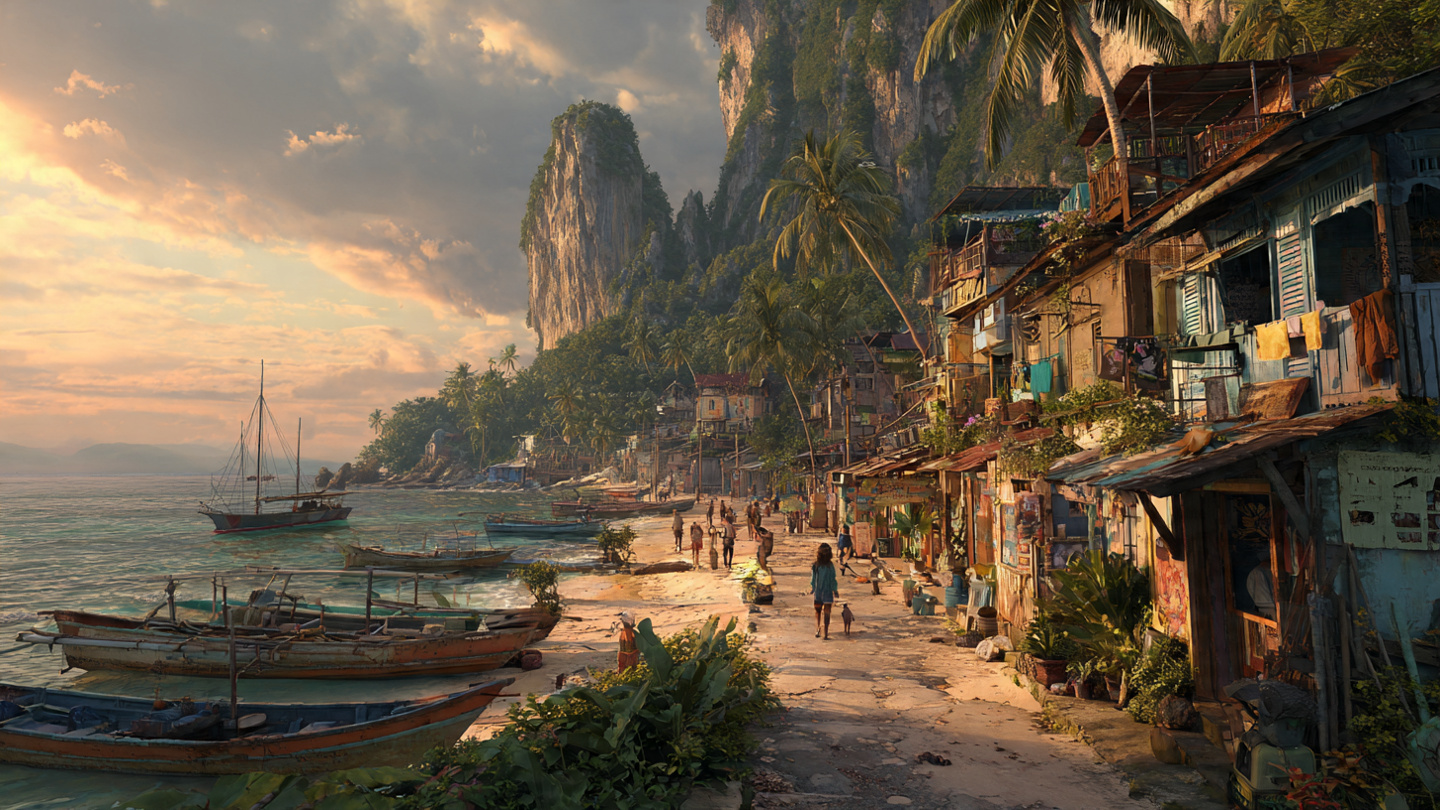
One of the quickest ways to identify a setting is through text in the background. In the Forgotten Island trailer, bits of signage, painted walls, and storefront textures appear to echo the layered visual culture common across towns in the Philippines. Hand-painted lettering, faded advertisements, and practical notice boards all help establish realism.
Even when a trailer only gives viewers a second or two to absorb the frame, these details do a lot of work. Filipino neighborhoods often have a distinct visual density: signs stacked over older signs, handwritten announcements, election remnants, product branding, religious symbols, and family-run business markers all sharing limited space.
Those details matter because they communicate community, not emptiness. The island is not just remote. It is socially rooted.
4. The Presence of Boats Feels Tied to Everyday Island Movement
In many Philippine communities, boats are not scenic props. They are daily infrastructure. If the trailer includes small vessels, docks, fishing activity, or shoreline transport, Filipino viewers are likely to recognize this immediately as a practical part of island life rather than just a cinematic flourish.
That distinction changes how the audience reads the setting. In local experience, the sea is both connector and risk. It is how people travel, trade, visit family, and make a living. It can also isolate communities when weather turns. A film built around a mysterious island becomes more convincing when it understands that relationship.
From a storytelling perspective, this opens the door to themes that resonate strongly in Philippine narratives: survival, migration, separation, kinship, and the tension between mainland and periphery.
5. Language and Accent Choices Add Authenticity
If you listen closely, trailers often reveal whether a film is truly engaging with a culture or just borrowing visual cues. A phrase in Filipino, a local accent, or even the cadence of English spoken by Filipino characters can instantly ground the setting.
That is one of the most meaningful possible details in the trailer. Filipino references in Forgotten Island are not only visual. They can also be heard in dialogue delivery, background chatter, place names, and naming conventions. Even a single naturally spoken line can do more for authenticity than a dozen scenic shots.
For viewers from the Philippines, that recognition is immediate. You hear the rhythm and know whether it feels lived-in. It is the difference between representation and imitation.
It also improves the film for international audiences. Specificity makes stories richer. People connect more deeply when a world has its own real voice.
6. Religious Imagery May Reflect a Very Filipino Sense of Space
One of the most recognizable features of many Filipino homes, stores, and public vehicles is the presence of faith-based imagery. Statues, crosses, rosaries, saints, prayer cards, and family altars often exist naturally within everyday spaces. If the trailer flashes any of these, Filipino viewers are likely to register them instantly.
This matters because religion in the Philippines is often not separate from daily life. It is embedded in interiors, routines, celebrations, fears, and community identity. In a mystery or suspense story, that kind of imagery can do double duty: it signals cultural realism while also heightening tension, superstition, and emotional stakes.
Even viewers who are not religious will recognize how common these symbols are in Filipino households. Their presence can make a set feel undeniably local.
7. Clothing and Styling Feel Practical, Familiar, and Regionally Grounded
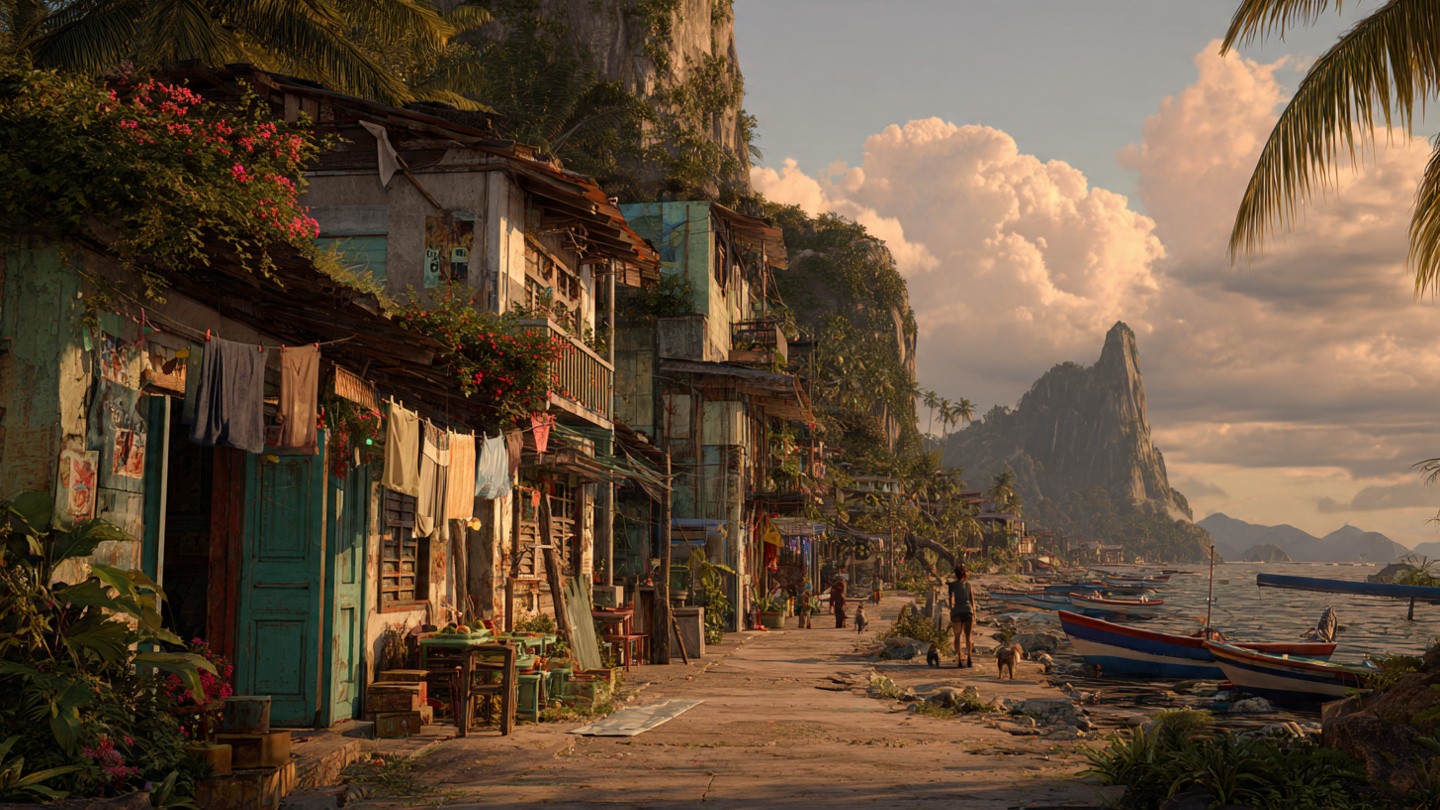
Wardrobe is another area where authenticity lives or dies. In a truly grounded Philippine setting, clothing should reflect climate, labor, class, and environment rather than imported tropical fashion clichés. The trailer appears to lean toward practical styling: lightweight fabrics, sun-faded colors, slippers or sandals, work-ready clothes, and layered casual wear suited to heat and sudden weather changes.
That may not sound glamorous, but it is exactly the point. Real local styling helps people on screen look like they belong to the island instead of merely visiting it. Filipino audiences can usually tell when costuming has been filtered through an outsider fantasy. Here, the textures seem closer to everyday life.
Small touches such as sleeveless shirts, shorts, tsinelas-style footwear, towels draped around the neck, or worn work clothes can instantly place a character socially and geographically. In a trailer, those cues do a tremendous amount of storytelling.
8. Community Energy Suggests Barangay Culture
A uniquely Filipino quality often seen in local neighborhoods is the strong sense of barangay culture, where private and public life overlap. People notice each other. News travels fast. Children occupy common spaces. Neighbors observe, comment, help, gossip, and intervene. If the trailer includes scenes where community members gather, watch outsiders carefully, or move as a collective, that is a familiar social pattern to many Filipinos.
This kind of community atmosphere is especially effective in mystery storytelling. It creates tension because secrets never stay fully hidden, yet truth can still be distorted by rumor, loyalty, fear, or local power structures. A remote island in the Philippines would not feel empty; it would feel socially dense.
That is why even a brief crowd reaction shot can mean so much. It suggests a lived social order, not just a location with extras standing around.
Some classic signs of this energy include:
- People gathering quickly when something unusual happens
- Shared outdoor spaces functioning like extensions of the home
- A mix of caution and curiosity toward strangers
- Visible intergenerational presence, from elders to children
- Group behavior shaped by kinship and local familiarity
9. The Trailer’s Emotional Tone Echoes Filipino Storytelling Traditions
Perhaps the most overlooked detail is not a visible object at all. It is tone. Many Filipino stories, whether on television, in cinema, or in oral tradition, move fluidly between intimacy, fear, humor, family tension, and spiritual unease. If the trailer shifts between wonder, dread, and emotional closeness, that rhythm may feel especially recognizable to Filipino audiences.
There is often a strong emotional grounding in stories from the Philippines. Even genre films rarely feel purely mechanical. Mystery is tied to family. Adventure is tied to sacrifice. Horror is tied to memory or belief. That emotional layering appears to be part of what makes this trailer resonate beyond its surface plot.
In other words, the trailer does not just look Filipino. It may also feel Filipino in the way it handles suspense and connection.
Why These Filipino References Matter for Global Audiences
Some viewers might ask whether these details really matter if the story is exciting on its own. The answer is yes. Cultural specificity makes stories stronger, not narrower. When a film understands the place it inhabits, every frame gains credibility.
For international audiences, these references provide texture and discovery. For Filipino viewers, they offer recognition and respect. That combination is powerful. It turns a trailer into a conversation piece and invites people to look closer rather than consume passively.
It also reflects a larger shift in global entertainment. Audiences increasingly want stories that are rooted in real places and communities instead of flattened international backdrops. The Forgotten Island Philippines setting appears positioned to benefit from exactly that appetite.
- Representation feels more meaningful when local details are accurate
- World-building becomes richer through specific cultural markers
- Audience connection deepens when viewers feel seen
- Critical interest often grows when a film’s setting has genuine texture
- Rewatch value increases because small clues reward closer viewing
What Casual Viewers Might Miss at First Glance
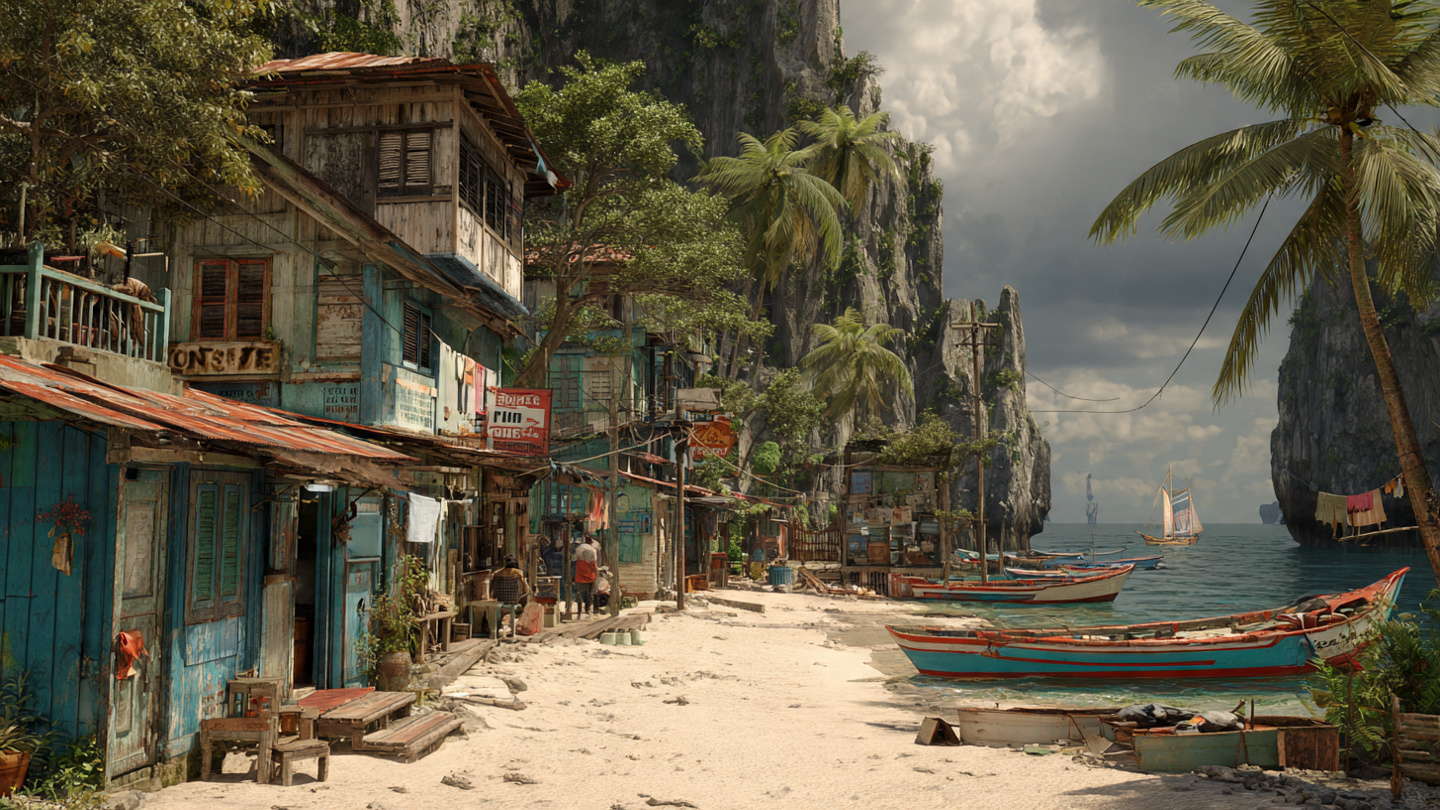
If you are not Filipino, many of these details may initially register only as mood. That is completely normal. The beauty of a layered trailer is that it works on multiple levels. Casual viewers can enjoy the mystery and visuals, while culturally familiar audiences notice the deeper signals.
A useful way to watch the trailer again is to focus on practical details rather than plot clues. Look at what people wear. Notice the shape of homes. Listen for accents. Read whatever text appears in the frame. Watch how characters relate to shared space. Ask whether the island feels staged or inhabited.
That simple shift in attention often reveals the craftsmanship behind the trailer and why so many viewers respond strongly to it.
Conclusion
The biggest achievement of the Forgotten Island trailer is not that it presents a mysterious island. It is that the island appears culturally alive. Through landscape, architecture, language, styling, religious imagery, and social atmosphere, the trailer drops clues that unmistakably point to the Philippines. For Filipino viewers, these are not random background touches. They are markers of home, memory, and recognition.
And that is exactly why this preview stands out. It respects the audience enough to trust specificity. It allows Filipino identity to shape the texture of the world instead of hiding it behind generic adventure aesthetics. In a media landscape crowded with interchangeable settings, that choice feels refreshing.
If you have only watched the trailer once, it is worth a second look. Pause on the details. Listen more closely. The most revealing parts may not be the biggest action beats, but the quieter signs that this story knows where it is.
Want more breakdowns like this? Rewatch the trailer scene by scene, note the local clues you spot, and compare how cultural details reshape your understanding of the story. The more attention you give these small choices, the more rewarding the film’s world becomes.


